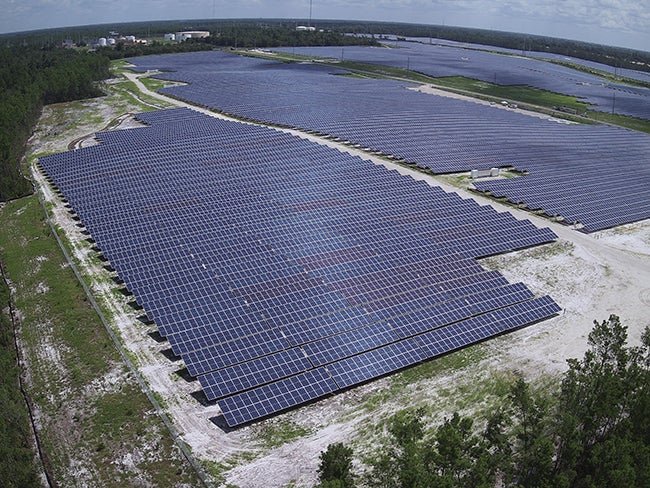
What happens if a battery energy storage system (BESS) falls below its guaranteed capacity in year six? The owner negotiated the performance guarantee seven years ago, and that performance guarantee may be set in the Supply Agreement or it may be set in the Long-Term Service Agreement (LTSA). More and more original equipment manufacturers (OEMs) are looking to push, or indeed have already pushed, the performance guarantee into the LTSA.
The consequence of that shortfall was papered years earlier, when the equipment was selected and the supply and service contracts were negotiated. It is the supply contract that determines what happens when equipment is late, performance falls short, a component fails, the system needs augmentation, or the OEM can no longer support the product.
That is where commercial due diligence becomes critical. It is an assessment of how the project agreements work together, where the material risks sit, and whether the protections and remedies in those agreements support the project’s financing, operating requirements, and long-term value.
Where the Liability Actually Sits
Project owners change, people move to new companies, and as a result, owners need to dig to find out which contract applies when those guarantees are missed, or what the limit of liability is capped at in those instances. During the initial defect and workmanship warranty period, typically the first two years, most OEMs offer a bumper-to-bumper type warranty. Equipment failing for reasons attributable to the manufacturer is repaired or replaced, and the limitation of liability under the supply agreement generally extends to the full contract price. That is meaningful protection, and it is usually the protection owners have in mind when they describe their warranty position to a lender.
What the warranty frequently omits is any commitment to a response or repair time. A system sitting below guaranteed performance while it waits for repair is not accounted for by the warranty at all. That shortfall often falls to availability liquidated damages under the LTSA, where the limit of liability is usually much lower, commonly one to three times the annual service fee.
From year three onward, the LTSA is often the only contract addressing performance problems, even though the performance guarantee itself runs for the full contracted life of the system, usually 20 years. Some OEMs place damages for lost MWh under the supply agreement, others under the LTSA. Owners need to know which applies, how damages are calculated, and what cap on damages exists in each case.
The cumulative arithmetic is what makes this a bankability question. An aggregate LTSA cap can become an event of default through shortfalls across two or three consecutive years. Beyond that point, the contractual incentive for the manufacturer to restore guaranteed performance is substantially reduced.
How Commercial Risk Affects Financing
The potential consequence of an inadequate remedy does not wait until year six. It arrives during diligence, when lenders and other financing partners evaluate whether the agreements sufficiently address operating and financial requirements.
Financing parties underwrite the downside case. Where the documents leave uncertainty about who absorbs a performance shortfall, or where the available remedy is visibly smaller than the exposure it covers, the risk will affect financing assumptions and project economics. Collectively, those risks reduce leverage, raise the cost of capital, and take value out of the investor’s return.
That is the practical meaning of “bankability” or “financeability” in this case. The objective is to identify material risks before financing and procurement decisions are finalized, determine which party is best positioned to manage them, and make clear what exposure remains with the project owner.
The Seams Between Contracts
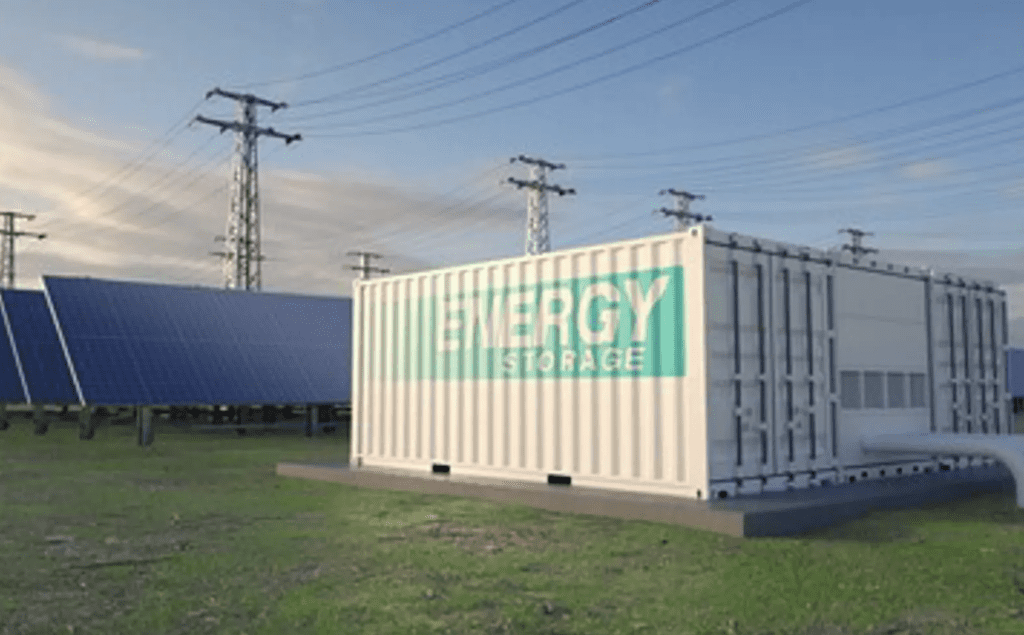
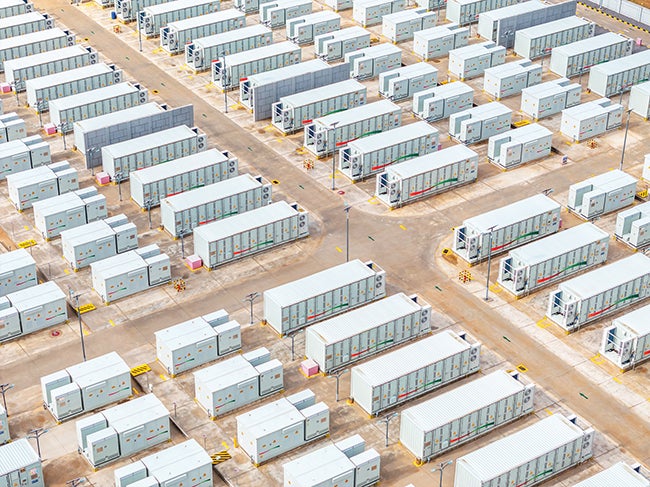
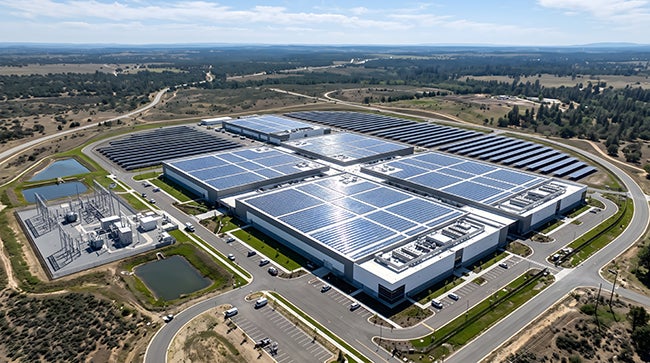
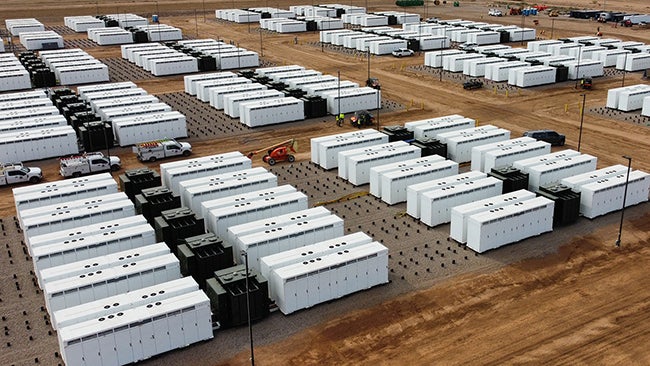
BESS projects (Figure 1) run on a contract structure covering equipment supply, procurement and construction, commissioning, warranties, and the LTSA, along with offtake and interconnection agreements that establish many of a project’s operating requirements. Commercial due diligence needs to determine whether the obligations, performance requirements, and remedies stay aligned when those agreements are considered together.
 |
|
1. Battery energy storage system, or BESS, projects run on a contract structure covering equipment supply, procurement and construction, warranties, and service agreements, along with other issues such as offtake and interconnection agreements. Courtesy: Invera Energy |
The common approach is to create “one throat to choke” with the BESS supplier responsible for inverter and transformer performance, along with the batteries. This can reduce uncertainty over responsibility when a performance issue involves equipment from multiple suppliers. In some cases, EPC contractors are made the initial purchaser of the BESS to keep delivery aligned with construction milestones. In this case, the project owner stays fully engaged in those negotiations, because terms agreed during that negotiation will govern the asset for two decades.
Other contract provisions can have consequences beyond the supplier relationship. Many suppliers, for example, restrict assignment to transfer to competitors. Depending on how competitor is defined, that restriction can complicate financing or a later sale.
Evolving federal requirements add another layer to commercial risk allocation. Foreign entity of concern (FEOC) requirements can affect tax credit eligibility and require greater visibility into supplier ownership, manufacturing and sourcing. Owners should understand what information the OEM is required to provide, what happens if sourcing or manufacturing strategies change, and how future regulatory changes will be addressed. While an OEM may not accept responsibility for project-level tax credit qualification, the project owner should not be left to carry the entire risk while relying on information controlled by the supplier.
Lastly, tariff allocation presents a different type of commercial risk. Many BESS supply contracts now include tariff-sharing mechanisms. An OEM may assume responsibility for changes within an agreed collar around the starting tariff, with the buyer taking the risk outside that collar. If tariffs exceed an agreed-upon level, either party has the ability to terminate the agreement. The appropriate structure will depend on the project, yet the owner needs to understand the potential exposure and how it has been allocated before signing.
A 20-Year Partnership, Signed on Day One
A supply agreement opens a two-decade relationship in which the owner depends on the OEM for service, software, source code, technical documentation, specialized knowledge, and spare parts. Owners must account for the possibility, and real risk, that an OEM may exit the market, become insolvent, or discontinue support for a particular product.
That must be addressed during negotiations of the original supply agreement. An intellectual property, or IP, escrow can protect access to source code and documentation, owner step-in rights, and the ability to engage qualified third-party service providers, in case of project abandonment. Where the long-term plan involves self-performing a certain scope, it is recommended to include training and the right to terminate early in the LTSA. Without those rights, a functioning asset becomes harder to maintain, harder to finance, and harder to sell.
Augmentation, Decided Now and Delivered Later
For projects anticipating future augmentation, the commercial strategy belongs in the initial procurement process, even where the additional equipment may not be required for a decade. There are broadly two approaches, and they place the future risk differently.
The first incorporates augmentation into the original supply agreement, obligating the OEM to maintain a specified energy capacity at the point of measurement, or POM, throughout the term. The pricing risk will then either be taken outright by the OEM or shared with the buyer through a cap on pricing.
The second approach leaves the augmentation obligation and its pricing risk with the owner. This option requires the project owner to plan for available space, hardware, and software compatibility, and the effect of augmentation costs on returns.
Under either approach, the original agreement should establish how warranties and performance guarantees operate after augmentation. Those questions are easier to resolve during initial procurement than years later, when capacity is needed, and the equipment and contracting options available may be considerably fewer.
The Window Closes at Signature
The objective of commercial due diligence is to de-risk project execution by identifying gaps in responsibilities, monitoring contractual obligations, and helping to manage issues before they result in delays or cost overruns. It aims to identify each material risk, allocate it to whichever party is best positioned to manage it, and put a functioning remedy behind whatever remains with the project owner.
Those decisions have a window, and that window closes when equipment is selected and agreements are executed. Afterward, any inconsistency between two contracts or an obligation that no one carried into the operating phase stops being a negotiation and becomes a dispute.
The owner in year six has one question worth asking: What is the guarantee worth? That answer was written years before the shortfall and priced into the financing before the equipment was shipped. Understanding the performance of the chosen technology is the straightforward half of procurement. Knowing who is accountable when the equipment does not perform, or if there is a disruption, and explaining that to the underwriters, is how the decision is made as to whether a project is bankable.
—Terri Denning is president of Invera Energy and an expert in BESS procurement, contracting, and risk management.