
Articles By

-
Coal
Circulating Fluidized Bed Dry Scrubber Effectively Reduces Emissions
When owners of the Big Stone Plant researched air quality control system technology, they considered all available options and eventually settled on a design that was not in widespread use. Now that the
-
 Legal & Regulatory
Real-Time Environmental Data Integration Improves Air Quality Reporting
As power plant reporting requirements for emissions regulations increase in number and complexity, yesterday’s data collection and reporting systems can make the job harder than it needs to be. The electrical power generation sector is reportedly the largest source of greenhouse gas emissions in the U.S. As such, it is the focus of the Environmental […]
-
 Commentary
Power’s Environmental Issues Then and Now
Discussions about environmental issues related to power plants and the regulations governing their operation are as old as the industry, I discovered while thumbing through the bound July through December 1914 issues of POWER. The specifics of the environmental concerns have become more detailed and complex as scientific knowledge, monitoring technologies, and mitigation solutions advance. […]
-
 Legal & Regulatory
Avoiding Wildlife Impacts from Renewable Energy in Europe
Courtesy: Ad Meskens/Wikimedia Commons Europe has been in the forefront of renewable energy development, and though the scientific research on wildlife impacts is limited, European environmentalists and developers are beginning to create baseline frameworks and guidelines. Developers around the world can learn from their experience. As more renewable energy systems come online, providers hope to […]
-
 Legal & Regulatory
Weighing the Environmental Impacts of Wind and Solar
Renewable generation is usually characterized as more environmentally friendly than fossil fuels, and in many respects, that’s true. But there is a growing recognition that solar and wind generation have their own impacts, and an increasing number of manufacturers and generators are looking for ways to minimize them. Iceland might be about the last place […]
-
 Coal
CoalPRB Coal Users’ Group Plant of the Year: Ameren’s Rush Island Energy Center
Rush Island Energy Center has successfully fired Powder River Basin (PRB) coal for two decades, as proven by the plant’s excellent performance stats, dedication to minimizing its environmental footprint, and sterling safety record. The PRB Coal Users’ Group top award recognizes the plant staff’s long-term dedication to continuously improving its safe handling and efficient combustion […]
-
Legal & Regulatory
Securing Pipeline Infrastructure for Gas-Fired Generation in New England
Increased reliance on natural gas as a fuel for electric generation has prompted regulatory reforms by the Federal Energy Regulatory Commission (FERC) to improve coordination between the two industries. Many in the power industry believe critical constraints in gas pipeline infrastructure serving New England pose a significant threat to electric reliability and prices during periods […]
-
 Legal & Regulatory
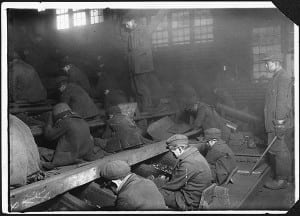
The Coal Refuse Dilemma: Burning Coal for Environmental Benefits
The niche alternative energy industry that generates power from hazardous piles of coal waste that litter the U.S. is facing an environmental Catch-22. The torrent of coal mined and processed in the U.S. since
-
 Coal
CoalChina’s Coal Industry: Status and Outlook
The years between 2002 and 2012 are called Golden Decade for the coal industry in China. After May 2012, the coal industry fell into depression. In the Golden Decade, a large amount of social capital inflow
-
 Waste to Energy
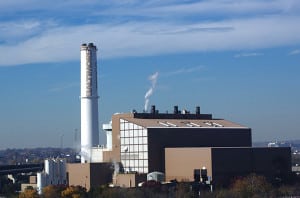
Energy from Waste: Greenhouse Gas Winner or Pollution Loser?
Is waste-to-energy the best greenhouse gas fighter among electric generating technologies? Or do trash burners spew dangerous air emissions? The answer may be a surprise. What electricity-generating technology results in net greenhouse gas (GHG) reductions, not just zero new emissions? According to the U.S. Environmental Protection Agency (EPA), it’s not nuclear, not wind, not solar. […]
-
 Legal & Regulatory
Generators Grapple with ELG Implementation
Plant wastewater treatment is not what it once was, and changes in the Environmental Protection Agency’s effluent limitations guidelines (ELG) have added a host of new wrinkles. A panel of power plant experts discussed what plant managers are planning and doing to keep things running smoothly within the new rules. For more than three decades, […]
-
 Coal
CoalUnderstanding and Mitigating Metallurgical Effects of Coal Blending and Switching
Fuel blending and switching has become the norm in response to regulatory and market forces, but many older boilers were designed for a particular fuel. Understanding the effects of different fuels on
-
 Nuclear
World Nuclear Exhibition Addresses Challenging Markets and New Solutions
The second World Nuclear Exhibition (WNE) began on June 28 in Le Bourget, just outside Paris, with the usual mixed messages about the need for and challenges of nuclear power globally. During the opening ceremony, Fatih Birol, executive director of the International Energy Agency (IEA), noted that the event was being held in the same […]
-
 Renewables
Utility Paradigm Changing Globally in Response to Distributed Energy and Digitization
Enrico Viale, head of global thermal generation for the Italian energy company Enel, kicked off an international power industry event yesterday with a keynote presentation describing the “needs” of utilities in the future.
-
 Renewables
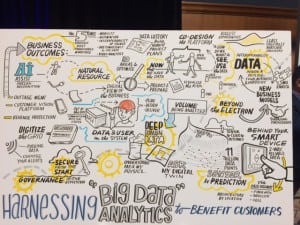
Grid Edge and Digital Technologies Take Center Stage at EEI Convention
Panels at the 2016 Edison Electric Institute convention focused on technologies and policies at what’s often called the “grid edge.”
-
 Technology
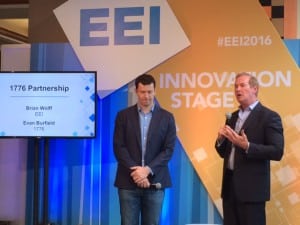
EEI Partners with Startup Incubator to Accelerate Innovation in Energy
The Edison Electric Institute has forged a new partnership with startup incubator 1776 to accelerate the pace of innovation in energy.
-
 Technology
EEI Convention Opens with Call to Work with “Friendly Hackers”
EEI Convention keynote speaker Keren Elazari urged electric utilities to partner with “friendly hackers.”
-

-
 O&M
O&MManaging Multiple Generations Across a Smooth-Running Fleet
Power generators have always had to make afetyome changes as each new generation enters the sector, but today’s new workers are bringing with them attitudes and skills that challenge traditional plant management, for good and ill. Here’s what some companies and plants are doing to make the best use of younger workers while getting them […]
-
 Nuclear
Is There a Market for Small Modular Reactors?
The nuclear industry has been expecting big things from small modular reactors (SMRs) for a long time, but to date, no SMRs have reached commercial construction phase. That may change soon. Utah Associated Municipal Power Systems has a plan to deploy NuScale Power’s Integral Pressurized Water Reactor at a site in Idaho. Will others follow […]
-
 Renewables
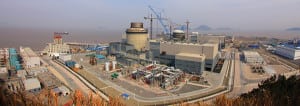
China’s New Five-Year Plan Bolsters Climate, Environmental Measures
China unveiled its 13th Five-Year Plan this March. The official proposal that will guide the country’s economic and social development from 2016 through 2020 lays out targets and other measures to address a number of climate change, air pollution, and water policies that will build on progress to transform its power sector. The plan sets […]
-
 O&M
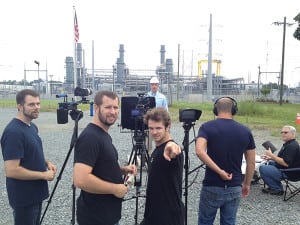
O&MTraining the Next Generation of Electric Utility Workers
New worker training has traditionally meant classroom instruction and wading through a big pile of printed materials. But videos can offer deeper and more rapid understanding of critical issues, especially for younger generations. The Electric Power Research Institute has developed a series of videos to help power plants train new workers more effectively. Inexperienced new […]
-
 Hydro
HydroA Power Famine for Colombia But a Feast for Brazil, Paraguay
Droughts attributed to the El Niño phenomenon have gripped Venezuela’s neighbor Colombia. Bogotá in April prepared to ration power and instituted mandatory reductions in consumption, warning that
-
Commentary
Learning from the Clean Air Act’s Tragic Flaw
“Why are you picking on the Clean Air Act?” That’s a question we’ve heard more than once while traveling the country to talk about our new book, Struggling for Air: Power Plants and the “War on
-
 O&M
O&MUse Near-Miss Incidents as a Preventive Tool
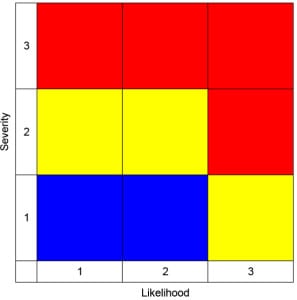
Broadly put, today’s power plant operations are a mix of automated operations and manual or procedural steps. A plant may have hundreds of control loops, interlocks, permissives, and safety systems. In
-
 Coal
CoalSupporting Coal Power Plant Workers Through Plant Closures
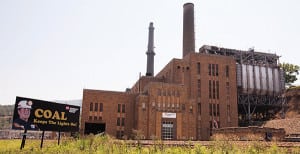
Coal-fired power plants around the U.S. are closing—rapidly. It’s a trend that will continue for the foreseeable future as dozens more units are slated for closure in the next few years. According to a
-
O&M
Ultrasonic Diagnostic Tool Detects Leaks, Bearing Wear, and Corona Discharge
Air leaks cost money. According to the U.S. Department of Energy (DOE), over $5 billion per year is spent on energy to power compressed air systems. The DOE estimates that optimizing these systems could
-
 Legal & Regulatory
Risk-Based NERC Compliance: Assessing Risk to Bulk Power System Generation
Ensuring the reliability of the power system is the responsibility of many industry participants. In this POWER exclusive, one regional reliability entity, the Midwest Reliability Organization, explains its role. In response to the 2003 Blackout—which affected parts of the U.S. Northeast and Midwest, plus portions of the Canadian province of Ontario—the U.S. Congress mandated adoption […]
-
 Nuclear
GE-Hitachi Exits Nuclear Laser-Based Enrichment Venture
GE-Hitachi Nuclear Energy is pulling out of Global Laser Enrichment (GLE), a company that in 2012 got the Nuclear Regulatory Commission’s (NRC’s) unprecedented approval to build and operate a full-scale laser uranium enrichment facility. The move was precipitated by a change in business priorities, but it doesn’t necessarily mean the GLE’s proprietary SILEX technology is […]
-
Commentary
Power Work Shifts
For most of the history of the power industry, utility jobs were secure and long-tenured. Though they continue to offer greater stability than many other comparably paid jobs, forces on both sides of the