
An energy company focused on supporting artificial intelligence (AI) through infrastructure has signed a memorandum of understanding (MOU) with a Utah-based nuclear power services company, as the groups evaluate ways to provide electricity for a massive data center campus in that state.
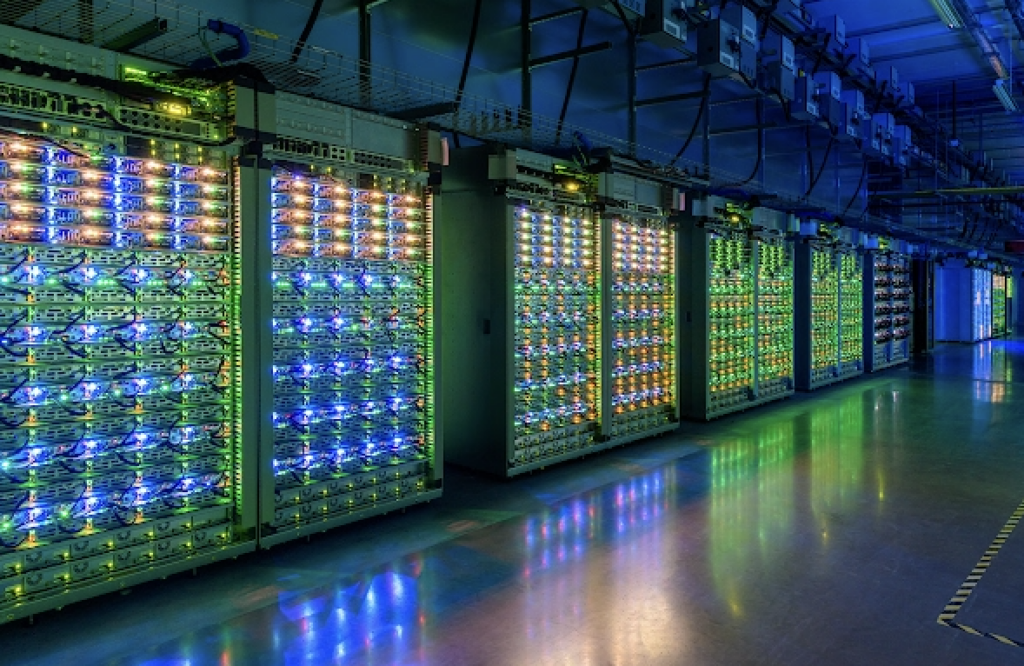
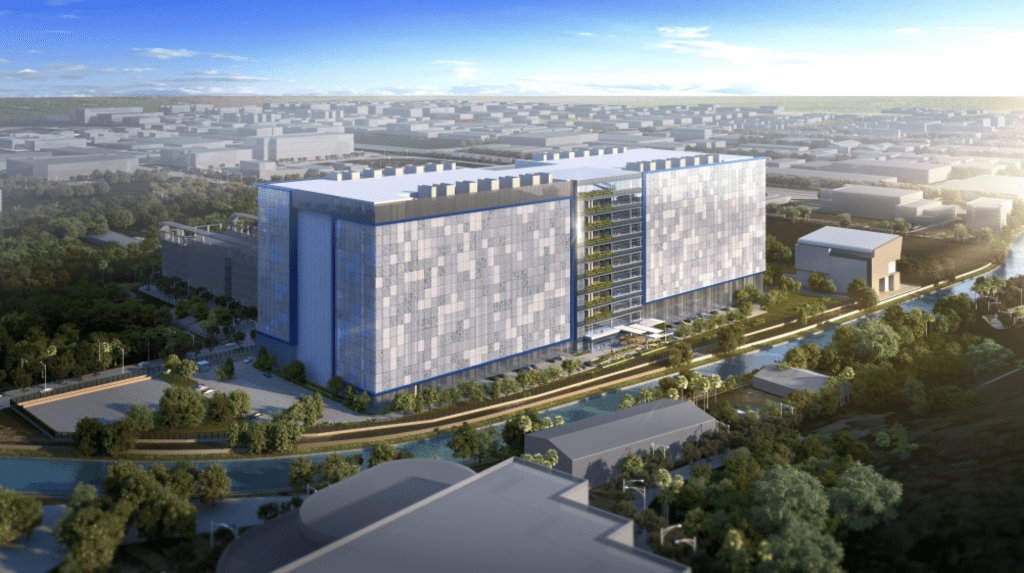
Creekstone Energy on December 11 signed an MOU with Salt Lake City-headquartered EnergySolutions. Creekstone plans to develop a 20-million-square-foot campus southeast of Delta in Millard County, about 130 miles south of Salt Lake City. The data center complex, being called the “Gigasite,” to date is the largest data center campus planned anywhere in the world, topping the Hohhot facility in China’s Telecom Inner Mongolia Information Park. The Hohhot campus covers more than 10 million square feet.
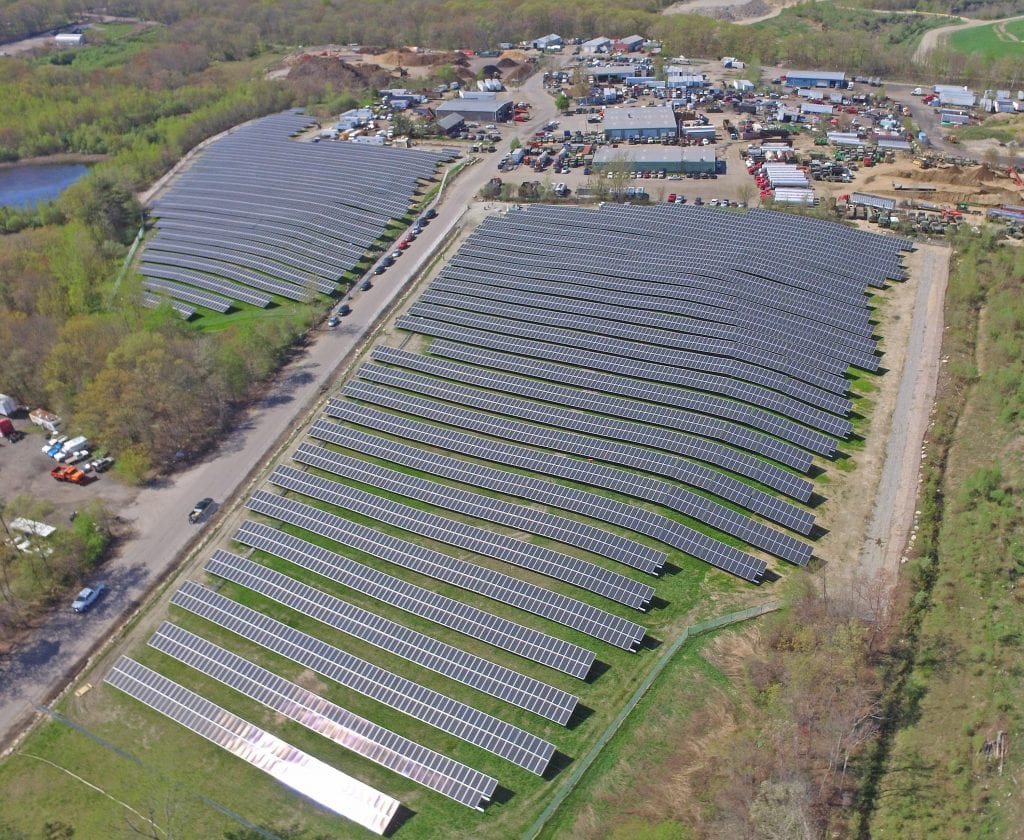
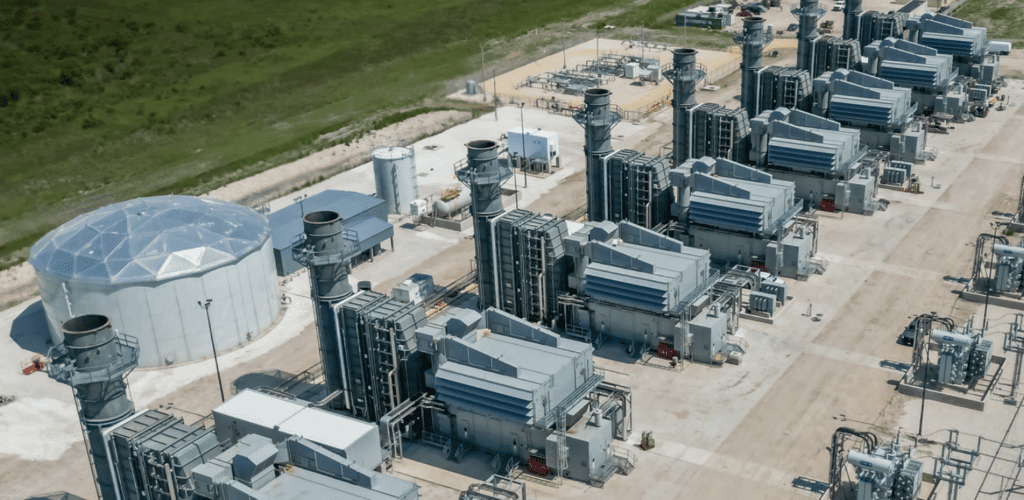
Creekstone has said its plan, spread over the next several years, is to have at least 10 GW of generation capacity at the Gigasite from energy resources including solar power (6 GW) and natural gas (2 GW). The campus also could draw 1.8 GW from the Intermountain Power Project, a 1,9-GW coal-fired power plant in the Great Basin region of western Utah. Officials have said the Gigasite also could use generation from nuclear and wind power, as well as geothermal.
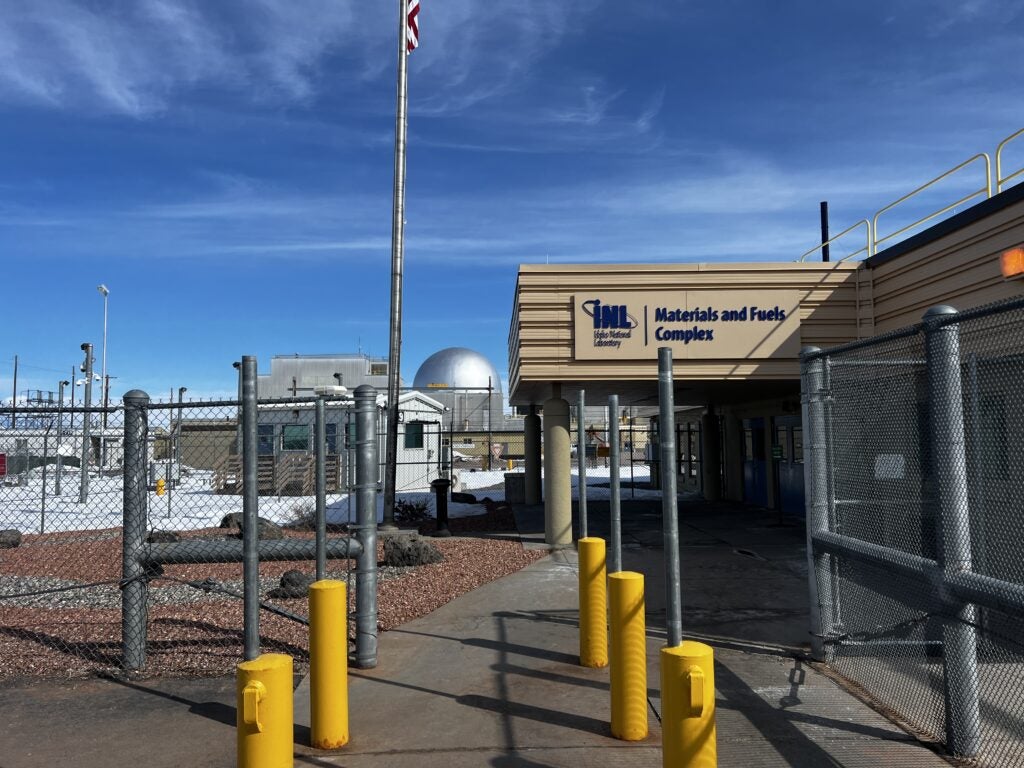
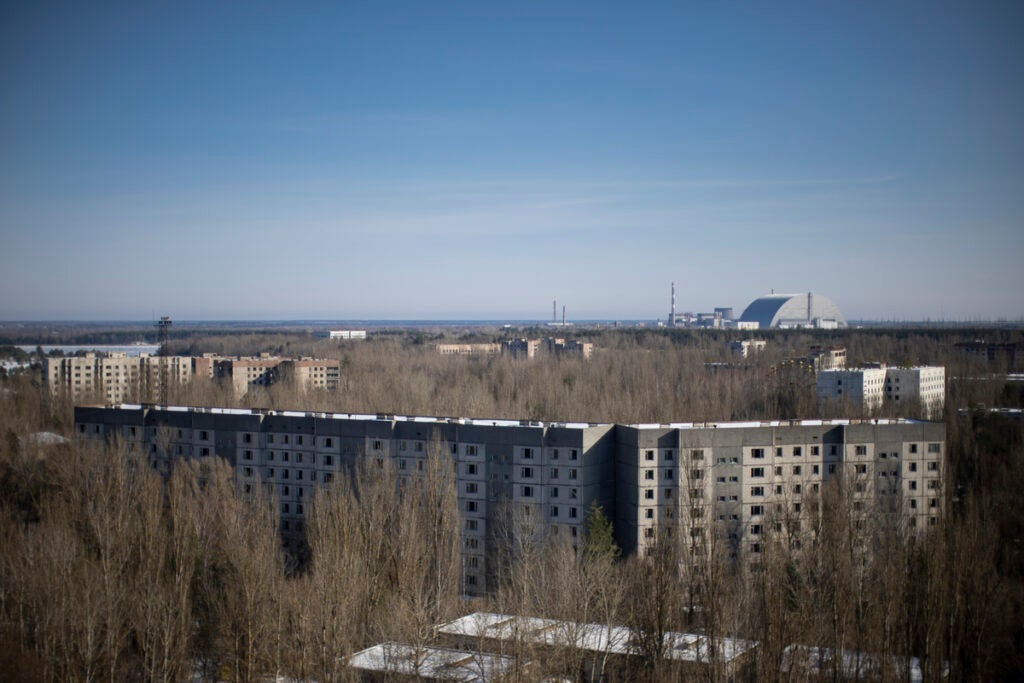
The agreement announced Thursday calls for the potential integration of at least 2 GW of nuclear power, according to Creekstone. “Evaluating the role that next-generation nuclear could play in our broader energy portfolio is an important step in refining the long-term strategy for the Gigasite,” said Ray Conley, CEO of Creekstone Energy, in a statement. “Nuclear has the potential to complement our multi-source approach and support the growth of large-scale AI and digital-infrastructure development. EnergySolutions’ technical and regulatory expertise gives us confidence that this evaluation will be thorough, professional, and grounded in real-world conditions.”
Evaluation Process
Creeksone said the MOU marks the start of a Phase 1 evaluation that will focus on developing a plan to use nuclear power at the site. That includes looking at timelines, along with studying regulations and commercial conditions. The company said it would aim for commercial operation between 2030 and 2035.
Officials said their roadmap includes assessment of a wide range of reactor technologies, to determine what is best suited to provide a large amount of power. The companies also are evaluating site readiness, along with how to integrate Creekstone’s multi-source energy strategy. Research also will study transmission pathways, as well as cooling and other infrastructure needs.
Thursday’s news release noted the MOU is non-binding, though it allows both parties to explore various nuclear power options, or none at all.
“Creekstone is approaching this the right way, grounding every step in thorough analysis, clear options, and a disciplined process,” Pierre Oneid, executive vice president for strategic initiatives and partnerships at EnergySolutions, said in a statement. “Our role is to help them fully understand the nuclear pathways available and what it would take to make any of those options viable for a site of this scale.” Creekstone’s news release said the company views nuclear as a way to “strengthen long-term reliability, resilience and capacity” for the Gigasite, adding that, “While smaller than earlier exploratory concepts, this scale could still provide a substantial clean-energy contribution and support the growth of large-scale AI and digital-infrastructure development.”
Creekstone earlier this year signed an agreement with BluSky AI to provide land and up to 50 MW of power at the Gigasite.
Creekstone Energy in November announced the closure of its Series B funding round for the data center campus. The company said the round was led by Trident Ridge, with participation from Pelion Ventures, Utah’s largest venture capital firm. Creekstone did not disclose specific financial details of the funding round.
—Darrell Proctor is a senior editor for POWER.