
regulations
-
 Fusion
NRC Proposes First Dedicated Regulatory Framework for Commercial Fusion Machines
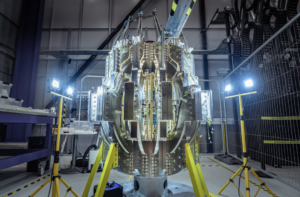
The U.S. Nuclear Regulatory Commission (NRC) has proposed the first dedicated federal licensing framework for commercial fusion machines, setting out a technology‑inclusive, risk‑informed approach under its 10 CFR Part 30 byproduct material rules rather than the power‑reactor framework used for fission plants. The proposed rule seeks to place regulatory oversight of fusion‑generated radioactive material within […]
-
 Coal
CoalSouth Africa Grants Emissions Exemptions to Coal-Fired Plants in Effort to Avoid Blackouts
South African officials will allow some of the country’s coal-fired power plants to operate without the need to adhere to regulations on carbon and other emissions. The move comes as South Africa continues to struggle with producing enough electricity to power the country’s growing economy. South Africa, which relies on coal for more than 80% […]
-
 Commentary
Legal, Regulatory Risks Bring Uncertainty for the Energy Sector
Lightning-fast changes continue to happen daily as the Trump administration seeks to implement its energy policies. With stated policies firmly in support of promoting America’s fossil fuel development, curtailing renewable energy, and reducing regulatory burdens, recent and ongoing actions reflect these goals. What remains to be seen are what impacts the broad swath of energy […]
-
 Legal & Regulatory
Trump’s EPA Set to Undo Limits on Power Plant Emissions
The Trump administration has announced several regulatory rollbacks designed to curb limits on power plant emissions, along with cutting protections for air and water quality. Environmental Protection Agency (EPA) Administrator Lee Zeldin on March 12 said the agency is moving to undo at least 31 regulations established during the Biden administration in an effort to […]
-
 Coal
CoalHow to Improve Remediation of Coal Ash Pond Water
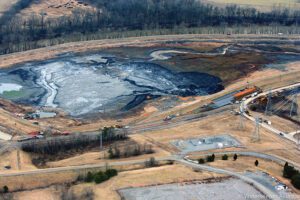
Many power companies face significant risks from coal ash ponds. New solutions based on water flow physics are showing promise in preventing the spread of hazardous particulate matter. Existing coal plants are
-
 Power
PowerWoodMac Analysis Says Trump Energy Agenda Will Face Roadblocks
An analysis from global data and analytics group Wood Mackenzie says Republican control of the White House and Congress means U.S. energy policy will move away from net-zero emissions targets, but there remains bipartisan support for the Inflation Reduction Act (IRA). The group also said competitive economics for renewable power resources mean the energy transition […]
-
 T&D
T&D$2.2B for 13 GW of New Transmission Capacity: DOE Unveils Latest Boost for U.S. Grid Modernization
The Biden administration will invest $2.2 billion in eight projects under its Grid Resilience and Innovation Partnership (GRIP) program to bolster the nation’s power grid with nearly 13 GW of new transmission capacity across 18 states. The funding, announced on Aug. 6, marks the second round under the Department of Energy’s (DOE’s) GRIP program, a […]
-
 O&M
O&MTips for HRSG Maintenance and Upgrade Success
The heyday of combined cycle plant construction (especially in the U.S.) was at the start of the millennia. Between 2000 and 2005, about 130 GW of natural gas–fired combined cycle plants opened in the U.S.
-
 Trends
2024 Shaping Up to Be Dramatic for Transmission and Distribution
In a significant push toward modernizing America’s aging grid infrastructure, the Biden administration, in partnership with 21 states, has launched the Federal-State Modern Grid Deployment Initiative. The measure marks the latest triumph for transmission and distribution (T&D), which has seen “lumpy” progress in recent decades. The initiative unveiled on May 28 essentially seeks to establish […]
-
 Legal & Regulatory
EPA Unleashes Four-Pronged Assault on Fossil Fuel Power Pollution
In an unprecedented move, the U.S. Environmental Protection Agency (EPA) on April 25 simultaneously finalized four major environmental rules covering greenhouse gases (GHG), air toxics, wastewater discharges, and coal combustion residuals from fossil fuel-fired power plants. Among the rules is the EPA’s final Carbon Pollution Standards, which marks the agency’s third attempt to broadly curb […]
-
 Legal & Regulatory
U.S., UK, Canada Ink Trilateral Memo to Cooperate on Advanced Reactor Licensing
Nuclear regulatory agencies from the U.S., Canada, and the UK will collaborate on technical reviews and share best practices for advanced reactors and small modular reactor (SMR) technologies. The measure is aimed at improving regulatory efficiency and effectiveness as more reactor technologies seek approval in the three countries. A trilateral memorandum of cooperation (MOC) signed […]
-
 Legal & Regulatory
NRC Sets Stage for Advanced Nuclear with New Part 53 Rule
The Nuclear Regulatory Commission (NRC) has directed its staff to publish a proposed rule and draft guidance to create Part 53, a much-awaited risk-informed and technology-inclusive licensing framework geared toward advanced technologies, including non-light-water-reactors (non-LWRs). In a staff requirements memorandum (SRM) made public on March 4, the commission directed staff to incorporate several changes to […]
-
 Legal & Regulatory
EU Regulations Restricting Imports of Renewable Natural Gas and Green Hydrogen Derivative Products
The European Commission (EC) is in the process of implementing its “Union database,” or UDB, to track all renewable gases and liquid fuels. Gases and fuels, whether produced in the European Union (EU) or imported, will need to be registered in the UDB if their use in the EU is to be counted toward satisfying […]
-
 Partner Content
Innovative Solutions for Sustainable Power: Navigating Regulations and Enhancing Efficiency
Embrace the future of the power industry with our groundbreaking ebook, “Innovative Solutions for Sustainable Power.” Dive into the latest breakthroughs in power generation and the pivotal role of technology in steering towards an eco-conscious future. Discover how Hexagon’s Asset Lifecycle Intelligence division empowers professionals to craft facilities that are not just profitable, but also […]
-
 Legal & Regulatory
New Labor Regulations Could Have Implications for Renewables Developers
Developers of renewable energy projects generally haven’t concerned themselves with the Davis-Bacon Act, the Great Depression-era federal law that mandates the paying of prevailing wages to laborers on public works projects. However, if the Department of Labor (DOL) gets its way, that might soon change. On August 23, 2023, DOL published new Davis-Bacon and Related Acts regulations that contain […]
-
 Legal & Regulatory
EPA Moves to Significantly Tighten Mercury and Air Toxics Standards
A proposed rule unveiled by the Environmental Protection Agency (EPA) on April 5 could considerably tighten the Mercury and Air Toxics Standards (MATS) for power plants, with specific repercussions for coal- and oil-fired generation. The proposed rule seeks to significantly update the 2012–finalized National Emission Standards for Hazardous Air Pollutants (NESHAP) for Coal- and Oil-Fired […]
-
 Legal & Regulatory
EPA Projects Final ‘Good Neighbor Plan’ Will Result in 14 GW of Coal Retirements
The Environmental Protection Agency (EPA) on March 15 issued the final “Good Neighbor Plan,” its latest iteration of the Cross-State Air Pollution Rule (CSAPR) that could require coal, oil, or gas steam power plants in 22 states to reduce their nitrogen oxide (NOx) emissions levels by 50% by 2027 compared to the 2021 ozone season. […]
-
 Legal & Regulatory
EPA Moves to Deny Coal Ash Disposal at Six Massive Coal Power Plants
The U.S. Environmental Protection Agency has proposed barring six coal-fired power plants in various states—a combined 11 GW—from disposing coal ash into unlined surface impoundments. The agency, however, also proposed to provide disposal extensions if the coal plants are needed to maintain grid reliability. The EPA’s proposed determinations, issued on Jan. 25, fall under its […]
-
 Commentary
Biden Presidency Promises Change for Power Industry
As we get closer to the presidential inauguration, and with President-elect Biden’s announcement of his Cabinet picks for the Department of Energy (DOE), Environmental Protection Agency (EPA), and the Department of the Interior (Interior), we begin the inevitable hypothesizing about which “Day 1 actions” will be taken, which actions will be among the administration’s “100 […]
-
 Coal
CoalTHE BIG PICTURE: EPA Regulatory Roundup
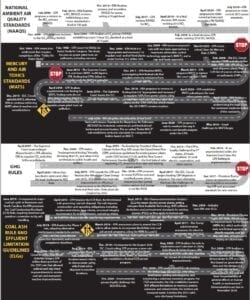
Over its 50-year history, several rules issued by the U.S. Environmental Protection Agency (EPA) have reshaped the power sector. But for at least a few modern rules, the road has been full of turns. Notes: CAA = Clean Air Act; BSER = best system of emission reduction; CO2 = carbon dioxide; GHG = greenhouse gases; […]
-
 News
NewsDOE Seeks Power Sector’s Input on Bulk-Power Foreign Adversary Rules
The Department of Energy (DOE) wants the electric power industry to help the DOE draft rules that will prohibit the U.S. bulk-power electric system from using equipment sourced from, or otherwise susceptible to, harmful influence by “foreign adversaries.” Asset owners, utility operators, equipment vendors, and other interested parties can voluntarily provide information to the DOE […]
-
 O&M
O&MUnderstanding Diesel Fuel Storage Requirements
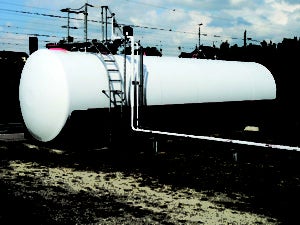
Liquid fuel storage requirements are based on fuel type, usage, and whether the fuel is “combustible” or “flammable” as assessed by the fuel flash point. This article presents information on applicable
-
 News
News[UPDATED] EPA Sets Schedules for Long List of Power Plant Regulatory Actions
The U.S. Environmental Protection Agency (EPA) will act on a spate of power plant rules over the next year, its newly released agenda of regulatory and deregulatory actions shows. The May 23-released “Spring 2019 Agenda of Regulatory and Deregulatory Actions” lists 35 new actions, along with 57 actions that it considers “deregulatory.” The list includes new […]
-
 News
NewsEstablishing a Culture of Continuous Learning and Improvement
With many challenges facing both fossil fuel and nuclear power generation facilities, training and workforce development has never been more important. Establishing a culture of continuous improvement is
-
 Legal & Regulatory
Trump Emissions Plan Aims to Boost Coal-Fired Power
The Trump administration has proposed an overhaul of U.S. power plant emissions rules, unveiling a plan that would allow individual states to determine how they will regulate pollutants. The proposal, called the Affordable Clean Energy (ACE) plan and discussed during the keynote address at the MEGA Symposium in Baltimore, Maryland, on August 21, would essentially dissolve […]
-
 Legal & Regulatory
EPA Sets Schedule for Potential ELG Rule Revision
The Environmental Protection Agency (EPA) has issued an official timeline for rulemaking that would potentially revise the Obama administration’s 2015 effluent limitations guidelines and standards (ELGs) for steam electric power plants. In its May 2-released Final 2016 Effluent Guidelines Program Plan, the EPA said it will potentially revise the stringent Best Available Technology (BAT) effluent […]
-
 Legal & Regulatory
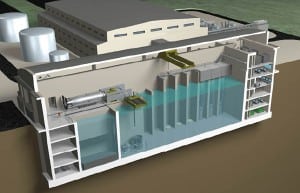
U.S. Nuclear Technology Progress at Risk, Industry Groups Warn
The future of advanced reactors in the U.S. will remain murky unless the Nuclear Regulatory Commission (NRC) takes four key steps to support innovation and commercialization of new technology, three key industry groups have warned. U.S. leadership of nuclear technology is “at risk,” and if changes aren’t made it will lose its standing as a […]
-
Legal & Regulatory
Trump’s Two-for-One Special on Federal Regulations
On January 30, as part of a flurry of new policies, President Donald Trump signed the “Presidential Executive Order on Reducing Regulation and Controlling Regulatory Costs.” The stated purpose of this order is to reduce the federal regulatory burden on the U.S. economy. The outcome, at least in the short term, is likely to be […]
-
 Legal & Regulatory
Trump’s Regulatory Rollback May Hit Roadblocks
President Donald Trump’s drive to roll back federal regulations, especially from the Environmental Protection Agency (EPA), will not be simple or smooth, a veteran Washington, D.C., attorney said at a utility conference on February 8. Speaking at the Energy, Utility, and Environment Conference (EUEC) in San Diego, Calif., Thomas Lorenzen, a partner with D.C.–based law […]
-
Commentary
Utility Regulation, Old and New
God forbid that you have a job that requires you to read the orders issued by public utility commissions (PUCs). As a regulator, I not only have to read them—I have to write them. And even I marvel at the arcane, trial-like proceedings of PUCs and the orders that emerge from them, which are the […]