POWER
-
 Solar
SolarThe Future of Load Control for Solar PV
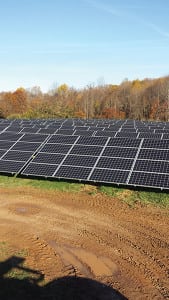
Solar power has taken off the training wheels. Once an afterthought, solar photovoltaic (PV) generation has been one of the major sources of new capacity for several years. According to statistics from the
-
 O&M
O&MOptions for Optimizing Combined Cycle Plants
Gas-fired power is booming—even more than expected. For only the second time ever, but also the second time this year, gas generated more electricity in a month in the U.S. than coal. According to statistics
-
 Water
WaterWater-Stressed Regions Provide Proving Grounds for Advanced ZLD Systems
In water-stressed regions outside the U.S., power producers and other industrial water users are incorporating higher levels of water reuse, some to the point of zero liquid discharge (ZLD), due to heightened
-
 Legal & Regulatory
Goldilocks, Ozone, and Obama’s EPA
There’s an old saying in Washington that when everyone is upset, you’ve probably done something right. By that measure, the Environmental Protection Agency’s (EPA’s) latest update to the National
-
 O&M
O&MCoal Pulverizer Maintenance Improves Boiler Combustion
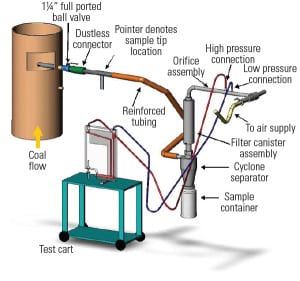
Coal pulverizers are the heart of a pulverized coal-fueled boiler. Often, the root causes of nonoptimized combustion lie with the pulverizers. Capacity; reliability; and environmental issues such as slagging
-
-
 Nuclear
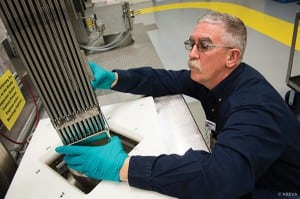
AREVA’s Next-Gen BWR Fuel Is Tested in the U.S.
AREVA has installed the first-ever boiling water reactor (BWR) assemblies in the U.S. that features an 11×11 fuel rod array, the French nuclear giant revealed this September. The new fuel design, the ATRIUM 11, has been used to produce power at two nuclear plants since April, though AREVA declined to name the reactors. However, the […]
-
 Gas
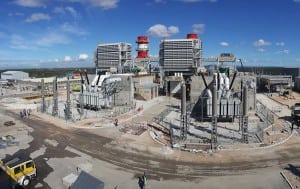
GasSouth Africa Puts First Large IPP Project Online
South Africa reached a milestone this September when it put online its first large-scale project owned by an independent power producer (IPP). The inauguration of the 335-MW Dedisa Peaking Power plant located
-
Business
POWER Digest
Dutch Court Clears Eemshaven Coal Plant for Operation. A Dutch court on Sept. 9 rejected claims that an environmental license issued for RWE’s 1.6-GW Eemshaven coal-fired power plant was issued improperly, clearing the way for the $3.36 billion plant to begin operations at full capacity. Environmental groups have opposed the plant’s location near nature reserves. […]
-
 Coal
CoalIndia Refocuses Coal Future
India, the world’s most coal-dependent nation, has over the last few months very publicly shifted its stance on coal power. In October, the country announced its commitment for the upcoming COP21 global
-
 O&M
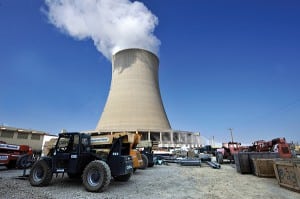
O&MSmart Access Planning Enables Efficient Cooling Tower Maintenance
Two hyperbolic cooling towers rise 495 feet over Exelon Corp.’s Byron Generating Station about 110 miles west of Chicago, Ill. The towers help cool the two Westinghouse pressurized water reactors that are capable of generating up to 2,346 MW at the site. Like all classic wet transfer hyperbolic cooling towers (Figure 1), the Byron Generating […]
-
 Nuclear
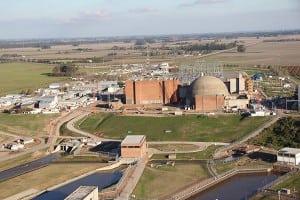
TOP PLANTS: Central Nuclear Néstor Kirchner (Atucha II), Lima, Argentina
Begun with grand ambitions in the early 1980s, the second unit at Argentina’s Atucha site ran smack into the country’s economic crises in the following decade. But a determined crew brought the project to completion after a 13-year hiatus through a focus on rebuilding the nation’s nuclear labor force. As with many other nations in […]
-
 Nuclear
TOP PLANTS: Palo Verde Nuclear Generating Station, Wintersburg, Arizona
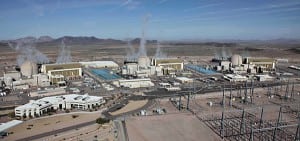
The nearly 4-GW, three-unit Palo Verde Nuclear Generating Station remains the largest generator of electricity in the U.S. for the 23rd consecutive year, producing more than 30 million MWh in 2014, for the 10th time (the only plant in the U.S. to do so), all while using only treated wastewater for cooling. Palo Verde Nuclear […]
-
O&M
Wildlife and Power Plants: New Solutions for Animal Problems
Some critters may be cute, but when jellyfish gum up power plant cooling systems; birds, rats, snakes, or squirrels cause electrical shorts; or invasive mollusk species obstruct hydropower plant pipes, losses can be steep. Here’s how some power plant operators are dealing with their critter troubles. There are countless cases of wildlife entering power plant […]
-
 O&M
O&MLoad Cycling and Boiler Metals: How to Save Your Power Plant
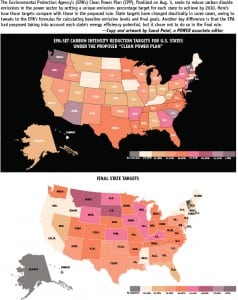
As many coal-fired power plants designed for baseload service are asked to cycle, unforeseen stresses have been introduced to boiler pressure parts. Understanding the effects and implementing mitigation strategies could prevent premature component failure and keep facilities operating reliably. On August 3, 2015, the U.S. Environmental Protection Agency finalized the Clean Power Plan, which calls […]
-
 Commentary
Fuel Guidelines, Fuel Consumption, and Climate Change
See if you can fill in the blanks: “A debate has been created after a paper was published in the BLANK Journal, suggesting the new BLANK Guidelines… are biased and based on an incomplete survey of current studies.” That quote from Digital Journal, referring to the British Medical Journal and the U.S. Dietary Guidelines, could […]
-
 O&M
O&MEnsuring Reliable Boiler Operation Through Proper Material Analysis
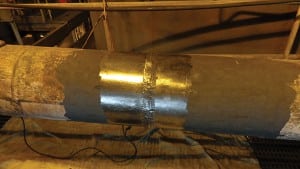
Creeped out and fatigued—that’s the state of many coal-fired boilers these days. Understanding failure mechanisms and suitable testing methods for identifying potential trouble can help you find problems before the problems find you. Even as the current regulatory environment pushes new power generation to utilize natural gas over other fuel sources, a significant amount of […]
-
 Legal & Regulatory
FERC’s Enforcement Priorities After 10 Years Under the EPAct
On August 8, 2005, the Energy Policy Act of 2005 (EPAct) was signed into law. It remains, arguably, the last significant piece of energy legislation to be enacted in the U.S. The changes wrought by EPAct are far-reaching and controversial, and for the gas and electric industry, perhaps no change has been more significant than […]
-
 O&M
O&MMinimizing Coal Dust Combustion Hazards: Lessons from Laramie River Station
Coal dust combustion events injured employees and damaged equipment at Laramie River Station in May 2013. Any dust-filled facility could consider implementing some of the plant’s corrective actions to reduce the risk of experiencing a similar incident. When Laramie River Station (LRS), near Wheatland, Wyo., was built nearly 35 years ago, it was state-of-the-art. Constructed […]
-
Commentary
Reduce Ozone When and Where It Matters Most
Just as we were drafting this commentary, the U.S. Environmental Protection Agency (EPA) issued a new ground-level ozone rule, tightening the standard from 75 to 70 ppb. The projected human health and environmental benefits are substantial. Yet there has been significant concern about tightening the ozone standards because of compliance cost. As it happens, our […]
-
 Renewables
Marooned: How Island Power Systems Keep the Lights On
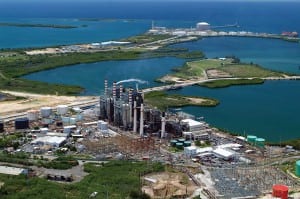
Largely dependent on imported fuel oil, many island systems must grapple with soaring electricity costs and reliability issues, in part because they are isolated and they don’t benefit from economies of scale. But some nations are seeking alternatives. It’s the same story all over the world. To fuel their economies and support growing populations, geographically […]
-
 Renewables
Turning Brownfields into Greenfields: From Coal to Clean Energy
As the coal industry declines in many places around the world, can the mines it leaves behind be repurposed for cleaner energy projects that benefit multiple stakeholders, including local economies? Several existing and planned projects demonstrate that there may be multiple paths toward that transition. No question, the coal industry in Appalachia, the rest of […]
-
 Coal
CoalPower Giants to Get Federal Funds to Develop Large-Scale Carbon Capture Pilots
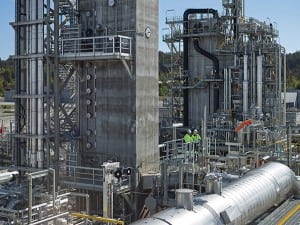
The U.S. Department of Energy (DOE) wants GE to plan and propose a large-scale pilot test of a carbon dioxide capture solution that uses a class of amino silicone compounds used to soften hair or clothing. The
-
 Nuclear
On the Nuclear Frontier: New Designs Aim to Replace LWRs
Generation III nuclear reactors have not shown much ability to overcome the weaknesses of conventional Gen-II light-water reactor technology, offering at best evolutionary approaches. Is there room for a more revolutionary approach? Many parties are exploring new technologies, but it’s impossible to tell which, if any, will succeed. Last August, Andy Revkin, The New York […]
-
 Renewables
New Options for Solar PV
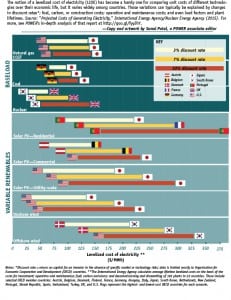
The global market for solar photovoltaic (PV) panels shows no signs of slowing down, with cumulative installed capacity expected to reach 700 GW and annual demand to pass 100 GW by 2020, according to GTM Research. This booming market has spurred manufacturers to introduce a variety of innovations intended to increase panel efficiency and reduce […]
-
 Renewables
Geothermal Energy: Is New Technology Resetting the Agenda?
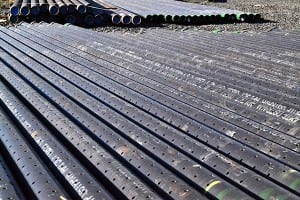
After years of stressing the conventional virtues of geothermal power production—reliable, baseload renewable energy from geological sources—the geothermal industry and the U.S. government are looking at ways technology can change the hot rocks game and give a boost to an often-overlooked resource. Legendary venture capitalist Vinod Khosla, who made a pile of money in information […]
-
 Coal
CoalTOP PLANTS: Ramagundam Super Thermal Power Station, Karimnagar, Telangana, India
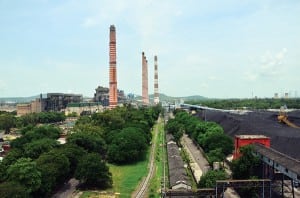
Owner/operator: NTPC Ltd. One of NTPC’s first coal-fired facilities, the 2.6-GW Ramagundam plant, is aging well, delivering noteworthy performance metrics that distinguish it from other plants in the state-owned generator’s big coal fleet. For nearly four decades, the 2.6-GW Ramagundam Super Thermal Power Station’s vermillion-banded stacks have towered over the green teak forests of what […]
-
 Commentary
Power Industry Policy Flip-Flops
When I started working in the energy industry in 1999, I had a conversation one day with Adam, a researcher who was writing a report for utilities that were marketing “green energy” programs. At the time, customers’ ability to purchase solar- or wind-generated electrons was limited to fewer utilities, and those companies were looking for […]
-
 Coal
CoalTOP PLANTS: Shanghai Waigaoqiao No. 3, Shanghai, China
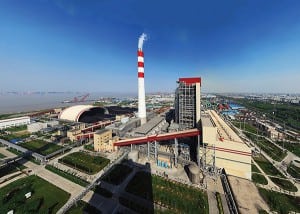
Owner/operator: Shenergy Company Ltd. In a nation seeing breakneck growth in its power sector and a drive toward cleaner, more efficient generation, coal remains the backbone. That means hard work is ahead for China in power sector innovation, and a plant in Shanghai is leading the way. There is no country on earth that has […]