Prisma Photonics, a global provider of advanced optical fiber sensing technology, announced a trial deployment with California’s Pacific Gas and Electric Company (PG&E) to deploy grid monitoring solutions traversing some of California’s most challenging geographic areas in San Luis Obispo and Humboldt counties. The project comes as California’s electrical grid faces surging data center demand, extreme weather events, and aging infrastructure challenges that require immediate solutions without the massive costs and complexity of traditional sensor installations.
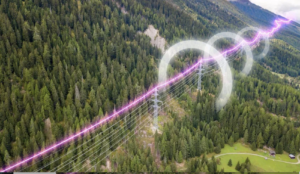
The project transforms PG&E’s existing fiber-optic cables into a comprehensive grid monitoring system, providing real-time visibility into line performance across three transmission corridors from the coastline to harsh mountain terrain. It aims to demonstrate Prisma Photonics’ Dynamic Line Rating (DLR) and asset health management capabilities while addressing a growing industry challenge: how to enhance grid reliability and capacity without the massive costs and complexity of traditional sensor installations.
Turning Existing Assets Into Grid Intelligence
Rather than installing expensive monitoring equipment across challenging terrain, Prisma Photonics’ technology converts PG&E’s existing optical fiber infrastructure, which is already part of the power network, into an advanced sensing solution. The approach eliminates the need for costly and long new sensor deployment projects while providing utilities with both dynamic line rating capabilities and comprehensive transmission monitoring through a single system.
Israel-headquartered hPrisma Photonics was founded in 2017 and has offices in the U.S. and Europe, as well as Israel.
Addressing Critical Grid Challenges
The deployment covers transmission lines that traverse some of California’s most challenging geographic areas, where installing traditional monitoring equipment would be prohibitively complex and costly. The system provides real-time data on line temperature, strain, and environmental factors that affect capacity—delivering both accurate dynamic line rating and critical grid intelligence as utilities work to accommodate growing electricity demand while maintaining reliability.
California’s grid faces mounting pressure from multiple directions: data center expansion, extreme weather events, and the need to maximize capacity from existing infrastructure. Traditional solutions often require years of planning, complex installations, and ongoing maintenance across remote locations.
Industry-Wide Implications
The 18-month trial deployment reflects a broader industry shift toward solutions that extract maximum value from existing infrastructure investments while maintaining cost-effective operations for customers. As utilities nationwide grapple with similar challenges, aging assets, increasing demand, and budget constraints, approaches that consolidate multiple technologies into current infrastructure become increasingly valuable.
“Prisma Photonics serves as the Swiss Army knife for grid challenges, providing the right tools for a variety of circumstances, from dynamic line rating to resiliency to extreme weather monitoring,” said Dr. Eran Inbar, CEO of Prisma Photonics. “Our partnership with PG&E demonstrates how utilities can gain comprehensive grid monitoring capabilities while avoiding the traditional complexity and costs of sensor-based solutions.”
Technical Implementation
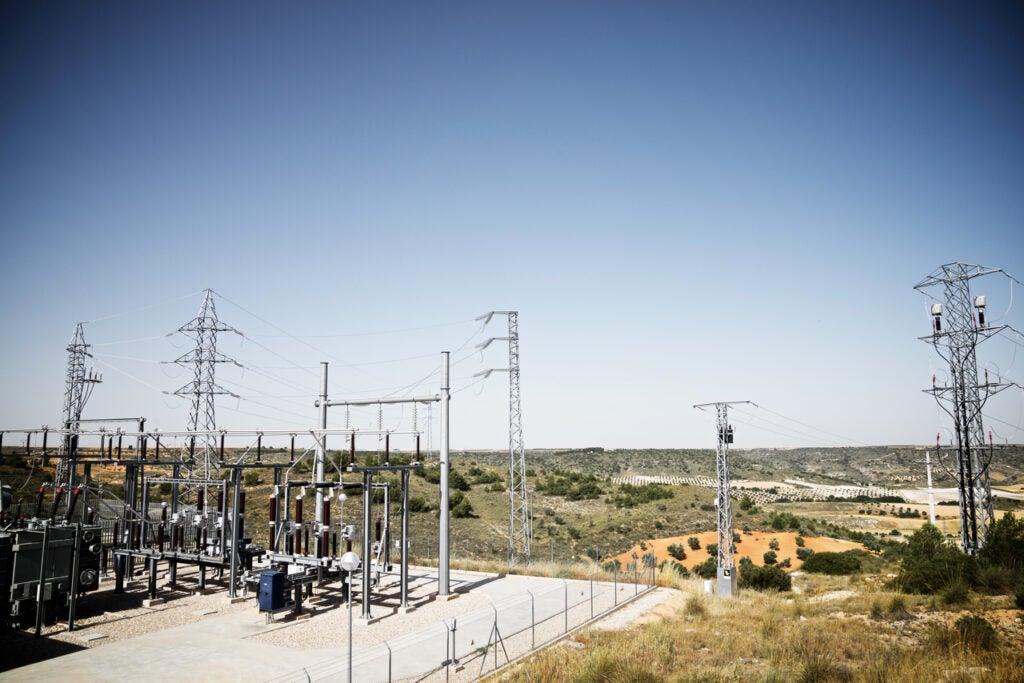
The technology leverages existing infrastructure, requiring only the installation of optical interrogation equipment at substations. This dramatically reduces deployment complexity and timeline compared to traditional monitoring approaches that require equipment installation at multiple tower locations.
The system delivers precise location information down to individual towers, enabling maintenance teams to respond more efficiently to potential issues. The comprehensive monitoring data will support PG&E’s operational decision-making across the covered corridors.
—This content was contributed by Prisma Photonics.