Energas is a company that stands as a successful example of foreign investment for over 20 years. Its partners include the Cuban state-owned companies Unión Eléctrica (UNE) and CubaPetróleo (CUPET), and its foreign partner is Sherritt International.
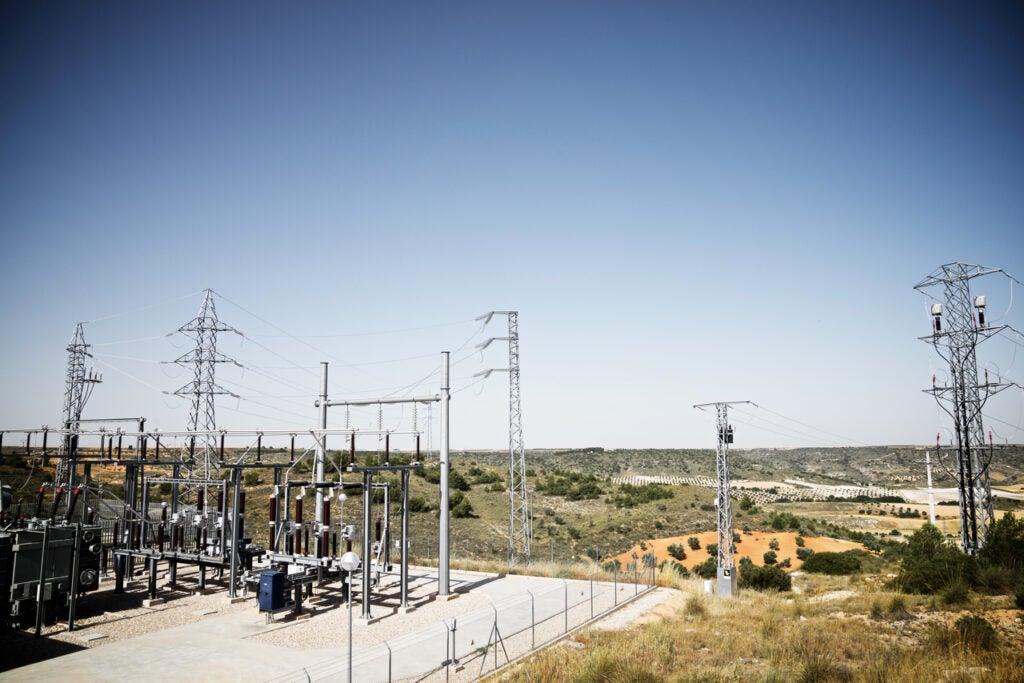
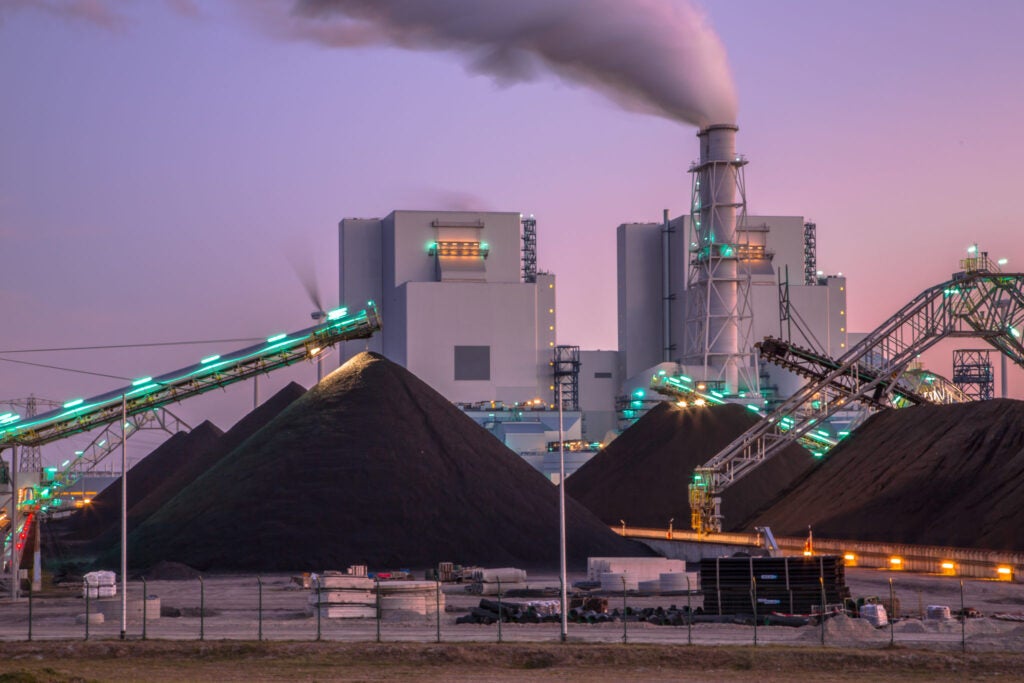
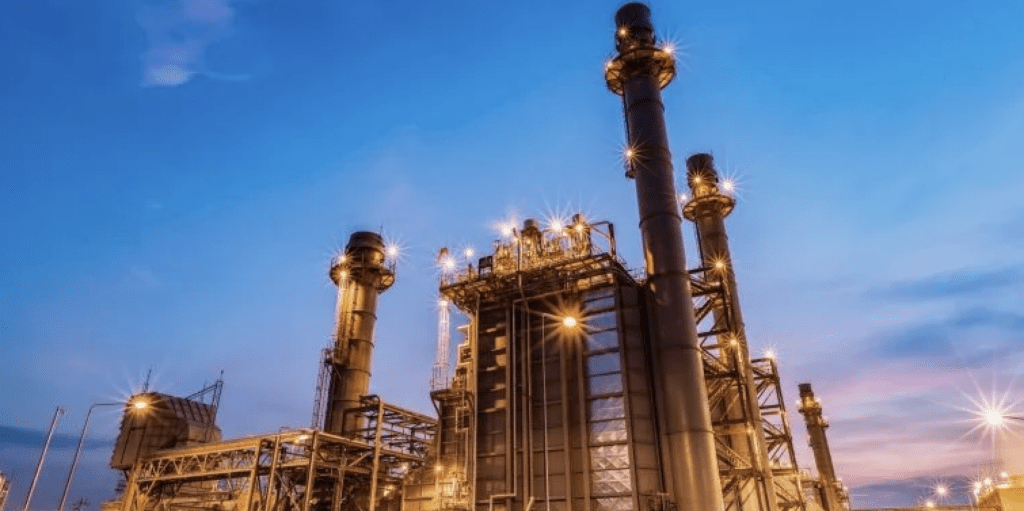
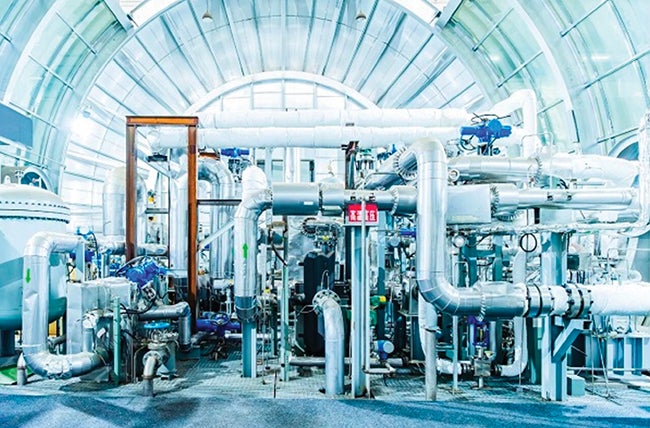
With an installed capacity of 480 MW across three plants—Energas Boca de Jaruco (Figure 1), Energas Puerto Escondido, and Energas Varadero—it accounts for about 8% to 10% of Cuba’s electricity generation. It also produces naphtha and liquefied petroleum gas (LPG), which are sold on the domestic market.
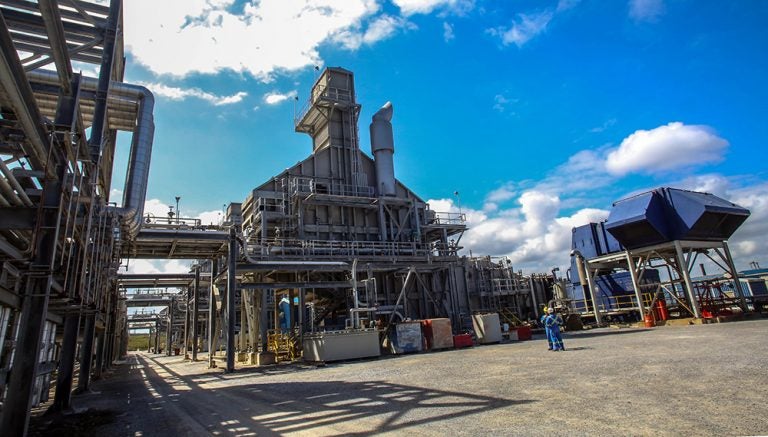
Energas sends purified gas to Havana, Cuba’s capital, for cooking for more than 250,000 families, equivalent to approximately 1 million people in the capital and other facilities. Additionally, it purifies the gas at the Energas Varadero plant, which helps improve the environment in this tourist destination.
“Gas” is the word most frequently heard at these facilities. However, there is not the slightest trace of the chemical compound in the air, confirming the excellent technical and safety conditions of the facility.
“Here, the most important thing is worker safety,” said Roberto Castillo, operations manager of the Energas Boca de Jaruco and Energas Puerto Escondido plants, while explaining the strict safety measures inside the plant. A helmet, goggles, a protective vest, and even a lanyard that facilitates personnel counting in case of emergency are some of the mandatory and standard equipment for entering the facility, whose highest point consists of chimney-like towers from which high-temperature gases emanate after the raw material is processed inside the turbine.
From an Environmental Problem to an Energy-Efficient Solution
In the late 1990s, Varadero was growing as a tourist destination, and the sulfur emissions from nearby oil wells contrasted sharply with the purpose of a vacation spot, famous for the quality of its waters and its natural surroundings. Cuba’s northwestern coast, rich in oil deposits, posed a risk to the nascent tourism industry in the area.
“We were founded to reconcile oil exploration and the development of the tourism industry, an objective in which gas treatment was crucial,” said engineer Raúl Pérez González, Deputy General Manager of Energas. With this objective, Commander-in-Chief Fidel Castro Ruz established the first Energas plant in December 2000, which would not only resolve the issue of sulfur emissions but also serve as a source of energy generation for the country.
“The joint venture was formed as a result of the additional gas production resulting from a successful oil development strategy in the Varadero area, coinciding with rapid growth in the tourism sector. Treating the associated gas reduced harmful emissions into the environment,” explained Edel Andrés Alfaro Pérez, Economic Manager.
But the company’s success lies not only in its environmental benefits. Since 2003, the joint venture has generated the cheapest electricity in the country, producing it with high efficiency from the consumption of natural gas extracted from oil wells in Matanzas, Mayabeque, and northern Havana. According to the Deputy General Manager, the processing and use of associated gas from crude oil is a source of energy for generating electricity, reducing the import and consumption of more expensive fuels for power generation.
Exploiting the Associated Gas
Roberto Castillo is one of the most experienced workers at the plant. His years of work in this industry have allowed him to learn almost all the secrets of oil and associated gas.
When asked why plants like these are among the cheapest and most efficient alternatives for energy production, Castillo explained that natural gas is another hydrocarbon that forms beneath the Earth’s crust as a result of the sedimentation of organic matter. The expert also pointed out that this natural resource is found in what are known as “gas pockets” and is typically present in two types of deposits: non-associated and associated. In Cuba, associated deposits are found, where natural gas is “associated” with oil, that is, it accompanies it in oil wells.
“For a time in Cuba, the associated gas was released into the atmosphere without being used. With the creation of the Cuban-Canadian joint venture Energas S.A., the associated gas from oil wells began to be utilized,” Castillo emphasized. “Part of the gas is used to generate electricity in combined cycle thermal power plants with gas turbines, and the other part is used for domestic cooking, benefiting thousands of families in the nation’s capital,” he added.
Oniel Tápanes, another industry expert, explained that the accompanying gas allows the oil to be extracted from the reservoir. “After its separation from the oil, the gas comes to our plants. Without processing plants like ours, the gas would have to be flared, and those hydrocarbons would be lost, in addition to the emissions being released into the atmosphere.
“Here we partially answer the question posed. It’s inexpensive because you don’t need new investments to extract it, since it involves some of the same investments made for oil extraction; however, it’s not the whole story,” Oniel Tápanes noted.
According to estimates, the electricity produced by Energas’ three plants covers up to 10% of the country’s electricity generation at a significantly lower cost than other generation sources, such as thermoelectric plants. This is due to their high energy efficiency, meaning their high capacity to utilize hydrocarbon energy to produce power.
Implemented Technologies
Oniel Tápanes further explained: “The first thing we need to know is that our industries are based on what we call combined cycle power. Combined cycle power plants transform the thermal energy of natural gas into electricity through the combined operation of a gas turbine and a steam turbine. The process involves the operation of two consecutive cycles: the Brayton cycle, which corresponds to the conventional gas turbine, and the Rankine cycle, which operates with the steam turbine.”
This means that after the initial combustion of the gas in the combustion chamber (Brayton cycle), the escaping gases are passed to a heat recovery steam generator (HRSG). “In that space, the water is converted into steam, just like in a normal thermal power plant. That’s called the Rankine cycle,” he said.
Oniel Tápanes also explained that “the efficiency of a simple machine is 29% (energy utilization). When a recuperative boiler is used based on the Rankine cycle (of the first generation), the utilization of the chemical energy in the fuel rises to 44% or 45% efficiency. In simpler terms, we get almost double the energy from this fuel.”
In such complex times as those currently facing the Cuban power industry, the deepest aspiration of these specialists is to do much more. “During peak hours, we are delivering 315 MW of electrical power, a figure lower than the 480 MW installed capacity that the plant can actually produce,” said Edel Andrés Alfaro, economic manager of Energas.
Alfaro added that there is currently unused generation capacity, “because there isn’t enough gas, since the lack of new wells is causing a natural decline.” Given this situation, new future investments will allow the El Fraile field to be interconnected with the Energas Puerto Escondido plant, increasing generation capacity.
“CUPET will carry out new investments, so we project reaching up to 78% utilization of our installed capacity. The growth is estimated at around half a million cubic meters (m3) per day, which will allow us to increase power by about 70 MW above current production,” he said.
On this topic, Alfaro emphasized the need to conserve gas for cooking in homes. “The gas we have to generate electricity is the same gas used in eight municipalities in Havana. If cooking demand increases, the gas available for energy production decreases proportionally, because it all comes from the same source.”
Maintenance and Synchronization
The recent completion of maintenance and synchronization of Unit 6 at the Energas Boca de Jaruco plant contributes to the reliability and power stability of the national grid. This was stated by Alfredo López Valdés, Director General of the UNE, in an interview with Cuban television.
The official emphasized that, by utilizing natural gas from petroleum refining, Energas delivers the least expensive MW of baseload power generation. López Valdés stated that replacing the energy lost from daily maintenance using generator sets would require an estimated 700 tons of diesel fuel.
“Therefore, its importance is enormous for us. It represents a large volume of energy, around three million kW per day, that was no longer being produced, and which is now being generated with this online generator,” he added.
The UNE Director also explained that fuel limitations are the main factor contributing to the generation capacity deficit. He acknowledged that this has affected not only distributed generation by generator sets, but also, at times, the use of thermal power barges.
Increased Gas Production Boosts Electricity Generation Capacity
Gas stability allows for the recovery of generation capacity with an average contribution of approximately 200 MW to the national grid. Natural gas production supplying the Energas Boca de Jaruco and Energas Puerto Escondido plants, part of the strategy designed to increase fuel supply for electricity generation, increased to approximately 2,500,000 m3 in July 2025. This was reported by Reinier García Acosta, director of the production unit of the Western Oil and Gas Drilling Company, who noted that gas deliveries in the summer of 2025 were higher compared to the same period of the previous year.
García Acosta explained that the stable delivery has allowed for the recovery of generation capacity equivalent, on average, to approximately 200 MW for the national grid. He stated that, in order to maintain a continuous flow to the Energas company, operational control measures are being implemented at wells located in the various fields. She also noted that work is underway on projects to drill new wells in the surrounding areas.
Furthermore, Lianet Suárez Delgado, a specialist in oil and gas extraction and storage at the company, explained that the facility monitors the appropriate work schedule at the fields every four hours to ensure a continuous supply. “The production from the Energas Puerto Escondido field is fundamental for electricity generation, and we intend to guarantee all the plant’s technological capabilities to minimize disruptions,” she emphasized.
A concrete result of this work is the contribution of the three plants located at Energas Boca de Jaruco, Energas Puerto Escondido, and Energas Varadero, which together generated 351 MW in the first days of July 2025. While this doesn’t cover the current generation capacity deficits, it confirms another step toward energy sovereignty, which also includes renewable energy sources. Suárez noted that achieving increasingly cleaner production and substituting imports, while guaranteeing the supply of crude oil and accompanying gas, is a priority for the company’s workers.
Energas Varadero
Energas Varadero was created due to the specific need to protect tourism, a sector that was booming in Cuba since the mid-1990s and was destined to become the locomotive of the Cuban economy. The oil boom couldn’t grow without considering tourism in this region, asserts Julio César Betancourt, Director of Energas Varadero. “We were obligated to protect the environment at all costs,” he said.
Experts acknowledge that treating the accompanying gas was essential to reconcile oil exploration with the development of the tourism industry. Otherwise, the tourism industry in the area would have been threatened.
Betancourt emphasized that treating the accompanying gas reduced emissions into the environment. But there were other benefits as well. Energas Varadero comprises three gas processing units, two refrigeration units for obtaining combustible gas, a fractionation unit for producing liquids (LPG and naphtha), and a sulfur production facility. It also has three gas turbines with a nominal capacity of 30 MW each, and a 70-MW combined cycle power plant (Figure 2).
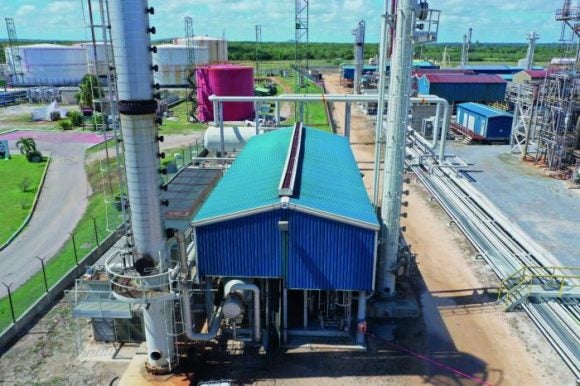
According to experts, due to the decline in well production in the field, the plant is currently receiving less than 50% of the associated gas. This means that only two gas turbines and the combined cycle are operational. The facility is designed to process 1.5 million m3 of gas per day, and today, according to the plan, it is receiving 650,000 m3, Betancourt reported. Experts said this is the best way to maintain the gas-oil ratio and avoid depleting the field, allowing for continued extraction.
Technologist Ángel Tápanes, a technical engineer with more than 20 years of experience, commented that with the commissioning of Energas Varadero, the associated gas from the oil began to be utilized, which was a wise decision. “Combined cycle power plants transform the thermal energy of natural gas into electricity, through the joint work of a gas turbine and a steam turbine in a combined cycle,” he said.
To illustrate that it is the most efficient and cheapest energy generated at Energas, Ángel Tápanes also explained that “the efficiency of a thermal power plant, due to its thermodynamic cycle, does not exceed 35%, in which 65% of the chemical energy stored in the fuel is rejected in the condenser. However, by combining the two cycles mentioned previously (Brayton and Rankine), and using Frame 6 gas turbines, the unit’s efficiency increases to 45%.”
Eduardo Suárez, a graduate in Electrical Engineering and operator of the combined cycle plant, insisted that electricity generation from gas is the most efficient in the country, because in the so-called combined cycle, they use the exhaust gases from the gas turbine and the steam cycle to obtain more energy with greater efficiency. After the recent maintenance of a gas compressor and the repair of the rotor of turbine number 3, the plant is capable of generating 90 MW.
Betancourt explained that the most important condition for reaching these levels is the daily delivery of 750,000 m3, which allows the three turbines to operate at full capacity and activate the auxiliary burners of the steam boilers, generating 30 MW in the steam turbine. “This is the commitment we have made, given the current tension in the national energy landscape,” Betancourt affirmed. The Energas Varadero team, a recipient of the National Vanguard distinction for four consecutive years in Cuba, is well aware of this and proudly carries the title of pioneers of this strategic project: the first plant to generate the cheapest electricity in the country while stimulating tourism growth.
—Amaury Pérez Sánchez (amauryps@nauta.cu) is a chemical engineer based in Cuba with the University of Camagüey.