The Trump administration during both its terms has prioritized its efforts on reviving the coal industry by introducing a series of policy changes and executive actions intended to boost coal leasing and production on federal lands. Yet, despite these political moves, coal’s trajectory in the U.S. energy market has followed a different path, shaped more by economic realities than government intervention. Market forces, particularly the rise of cheaper and cleaner energy sources, continue to undermine coal development.
Coal once formed the backbone of American electricity production, with its usage steadily rising. However, since peaking in the early 2000s, coal-fired power has sharply declined. In 1950, coal was the dominant source of electricity across the grid, but by 2023, it accounted for only 9% of the nation’s total energy consumption.

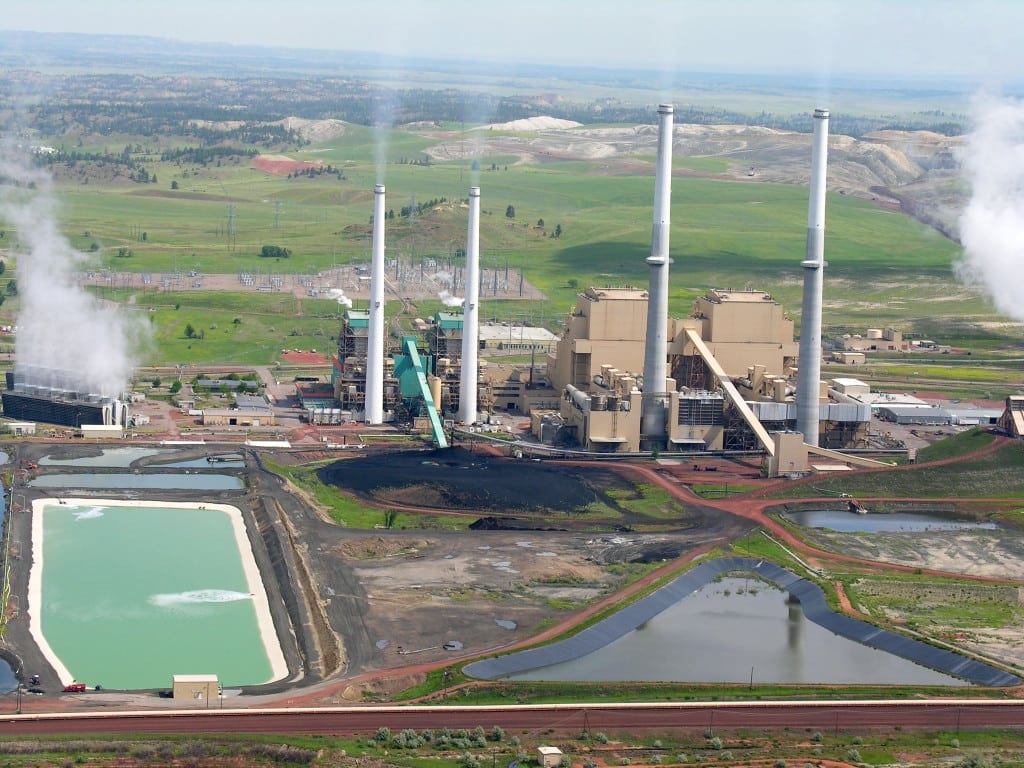
A recent manifestation of the malaise is that the federal government rejected the recent “low-ball” bid from the sole bidder (Navajo Transitional Energy Co.) to acquire 167 million tons of coal on federal public lands in Montana. The company bid $186,000 (less than a penny per ton). The failed lease sale would have been the biggest federal government coal sale in more than a decade.
The failed Montana coal lease sale vividly demonstrates the lack of interest for coal among utilities generating electricity throughout the country. They are turning to cheaper natural gas and renewables. In spite of the administration’s interest in reviving the coal industry, economists say federal attempts to boost coal are not going to reverse its years-long decline.
Actions During President Trump’s First Term (2017–2021)
In its first term, the Trump administration tried to reverse the coal policies of the Obama administration through various actions, including:

In This Issue
Full issue- Ending the Federal Coal Leasing Moratorium. A 2016 moratorium, which temporarily halted new coal leases on federal lands to allow for an environmental review, was lifted in March 2017. This Trump administration change reinstated the ability for companies to acquire new leases.
- Rescinding New Valuation Rules. The U.S. Department of the Interior (DOI) repealed new rules that calculated royalties for coal extracted from federal land based on the sales price, rather than a lower figure. This move effectively reduced the cost for mining companies to extract coal.
Actions During Trump’s Second Term (2025–present)
President Trump’s second administration has continued and expanded the pro-coal policies of his first term. In April 2025, Trump signed a series of executive orders to boost the coal industry. These orders declare that “coal is essential to our national and economic security” and direct federal agencies to take several actions, such as:
- Prioritize Coal Leasing. Agencies must identify coal resources on federal lands, lift barriers to mining, and prioritize coal leasing.
- Rescind Anti-Coal Policies. Agencies must overturn policies aimed at transitioning the country away from coal.
- Promote “Clean” Coal Technology. Agencies must allocate $625 million toward recommissioning or modernizing aging coal plants.
- Expand Federal Land for Mining. Agencies must open more than 20,000 square miles of federal land to mining.
Executive Orders
The recent executive orders and proclamations also include directions to various agencies to:
- Promote coal for new technologies such as using coal to power new artificial intelligence (AI) data centers.
- Investigate and challenge state-level laws that restrict the use of coal and other fossil fuels.
- Sharply reduce royalty rates for coal extracted from federal lands.
- Extend, by two years, the date by which coal-fired power plants were to comply with the Environmental Protection Agency’s National Emissions Standards for Hazardous Air Pollutants.
The same week that the U.S. Department of Energy allocated $625 million in funding for retrofitting and recommissioning aging coal plants to extend their lifespans, the DOI issued a press release stating that it would open 13.1 million acres of federal land to coal mining and streamline approvals for projects in Montana, Wyoming, and Tennessee.
Economics and the Markets Ultimately Drive Coal (or Any Energy) Development
Federal policies have not been able to reverse the decline in the demand for coal, even when those policies are favorable to the industry. Political attempts to support coal have not, for example, increased employment or production significantly. Some argue that regulations have been a factor, but market forces are the primary driver. Regulations can affect decisions, but market competitiveness remains the larger issue.
Ultimately, market fundamentals are the main drivers of coal development. While federal, state, and local policies can influence the market, they cannot override economic realities that demonstrate that the cost of coal development is rising, and other energy sources are more competitive. Simply put, the cost of coal is increasing, and coal plants have become more expensive to operate. Those realities contrast dramatically with the fact that newer energy alternatives will continue to drive down interest in the use of coal.
—John L. Watson is an attorney in the Spencer Fane group’s Denver, Colorado, office.