Artificial intelligence (AI) group OpenAI is reportedly discussing buying electricity from Helion Energy, the fusion startup company based in Everett, Washington. Sources told POWER that a deal would enable OpenAI to be guaranteed part of Helion’s power generation, with as much as 5 GW available by 2030 and up to 50 GW by 2035.
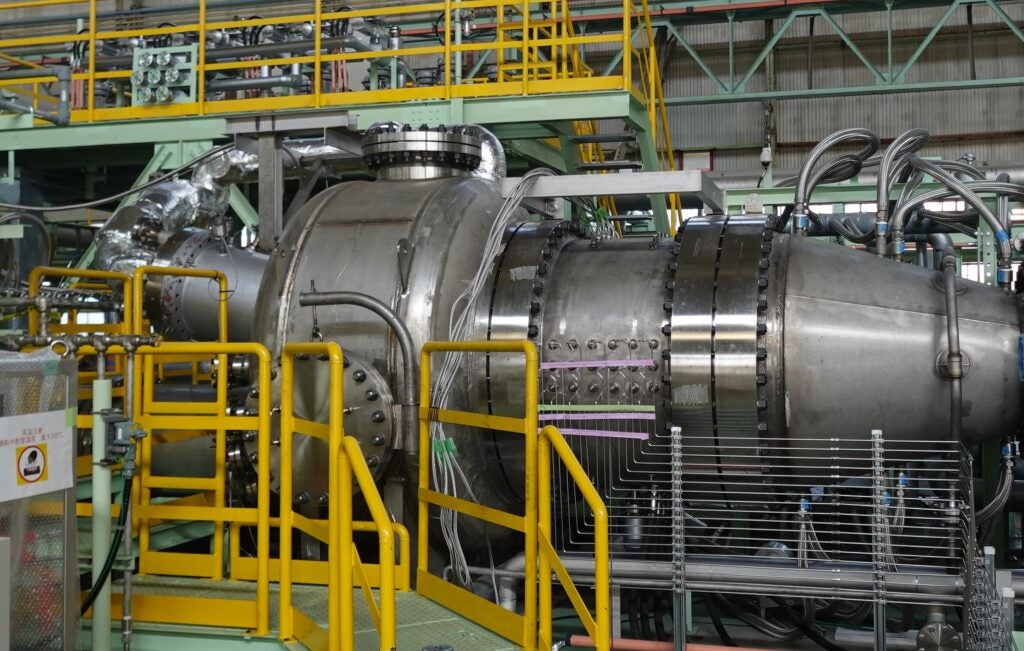
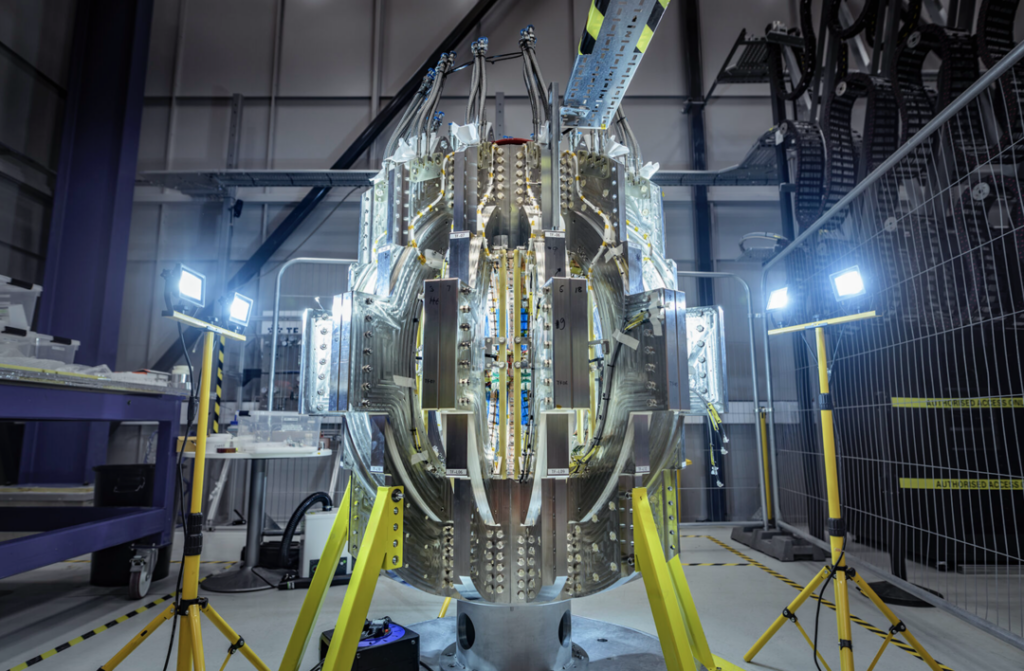
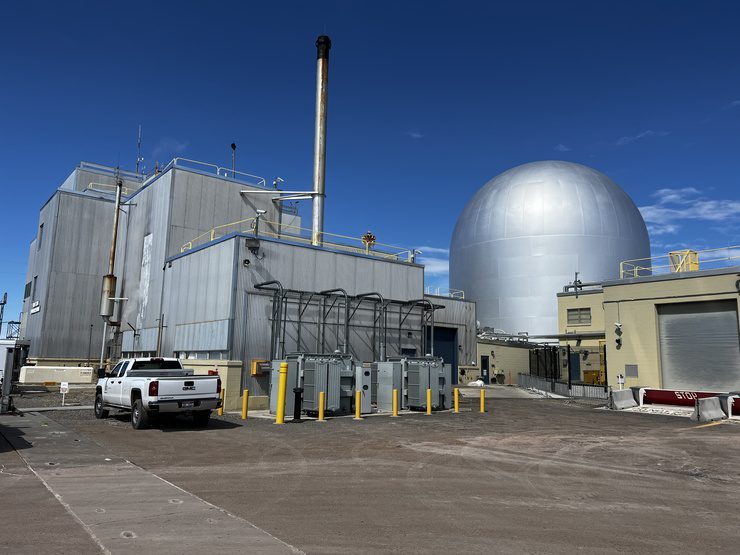
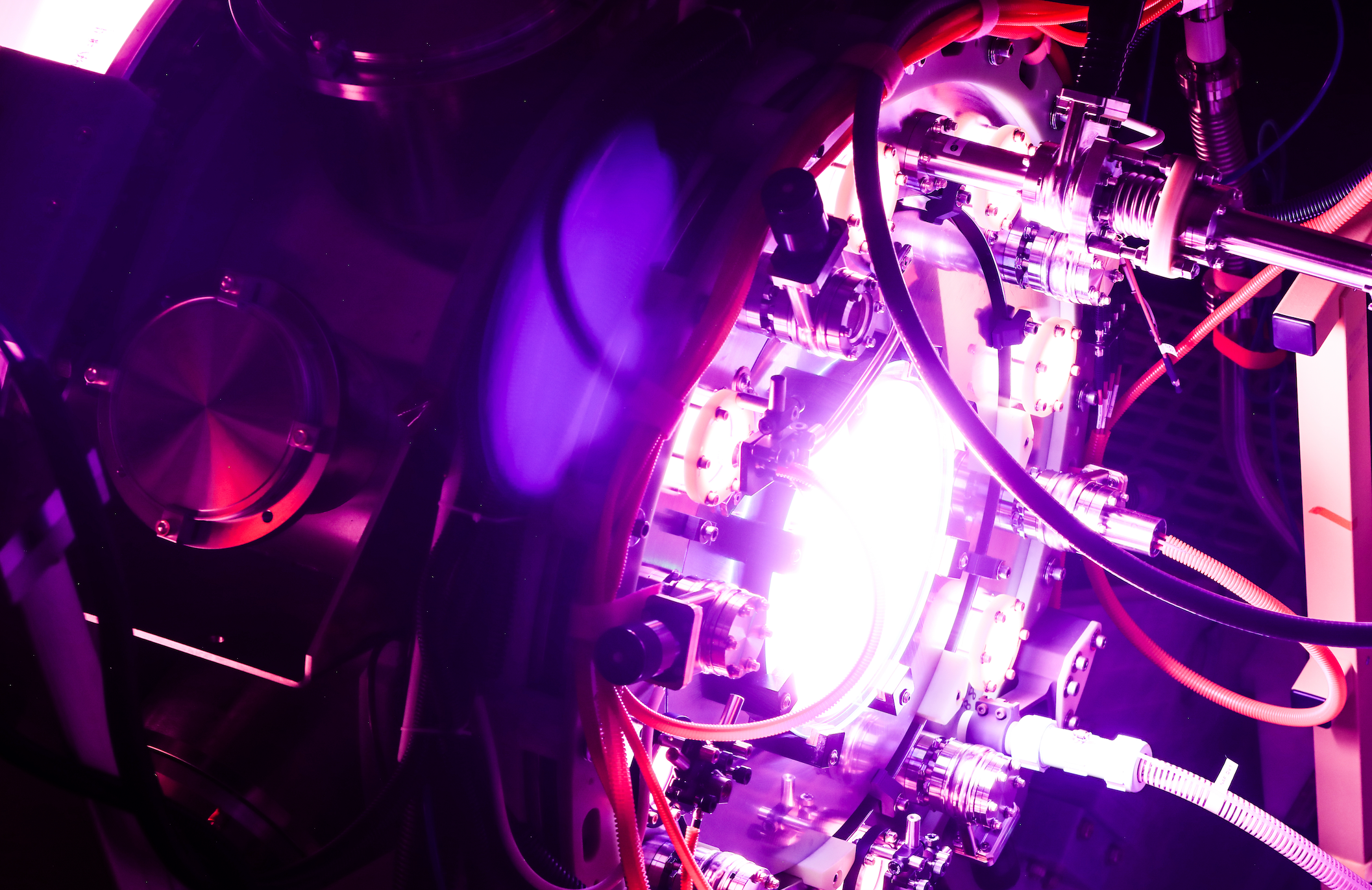
Helion in February announced that its Polaris prototype has set new industry benchmarks, becoming the first privately developed fusion energy machine to demonstrate measurable deuterium-tritium (DT) fusion and achieve plasma temperatures of 150 million degrees Celsius. The company at the time said the milestones “mark significant breakthroughs in Helion’s vision to make commercially viable fusion energy a reality and are firsts for the private fusion industry.”
“What makes this deal significant is that it reframes AI as an energy-intensive industrial system rather than just a software platform,” said Siddardha Vangala, senior AI Platform Engineer & Enterprise AI Systems Architect with MasTec Advanced Technologies. Vangala told POWER, “As large-scale AI models grow, data center demand is rising rapidly, and companies are beginning to secure dedicated power sources years in advance. If fusion technology becomes commercially viable, partnerships like this could define the long-term infrastructure strategy of the AI industry.”
Microsoft in 2023 said it had signed a power purchase agreement (PPA) with Helion to buy electricity from the company as soon as 2028 in what was considered the first PPA tied to fusion energy.
POWER is at the forefront of coverage for research and development of fusion energy. That includes a recent special report featuring several of the leading companies in the space. Read “Research Brings Results in Search for ‘Holy Grail’ of Clean Energy“, and find more content in our archives.
Notable Investors
Sam Altman, CEO of OpenAI, is an investor in Helion, which was founded in 2013. Altman’s stake in the company has not been disclosed, though it’s been called “sizable.” Other investors in Helion include Softbank, Mithril Capital (led by entrepreneur and PayPal founder Peter Thiel), and Meta, including Facebook co-founder Dustin Moskovitz.
Altman led Helion’s $500-million Series E funding round in 2021. The company also closed a $425-million funding round in January of last year. Altman on Monday said he has stepped down from the board of directors of Helion Energy, though he remains on the OpenAI board. Altman said holding both positions was untenable. Altman in a post on social media platform X (the former Twitter) said he continues to have a financial interest in Helion, but will recuse himself from any negotiations around deals that involve the company.
Altman at the time of the Microsoft deal in 2023 said, “My vision of the future … is that if we can drive the cost intelligence and the cost of energy way, way down, the quality of life for all of us will increase incredibly. If we can make AI systems more and more powerful for less and less money—same thing we are trying to do with energy at Helion—I view these two projects as spiritually very aligned.”
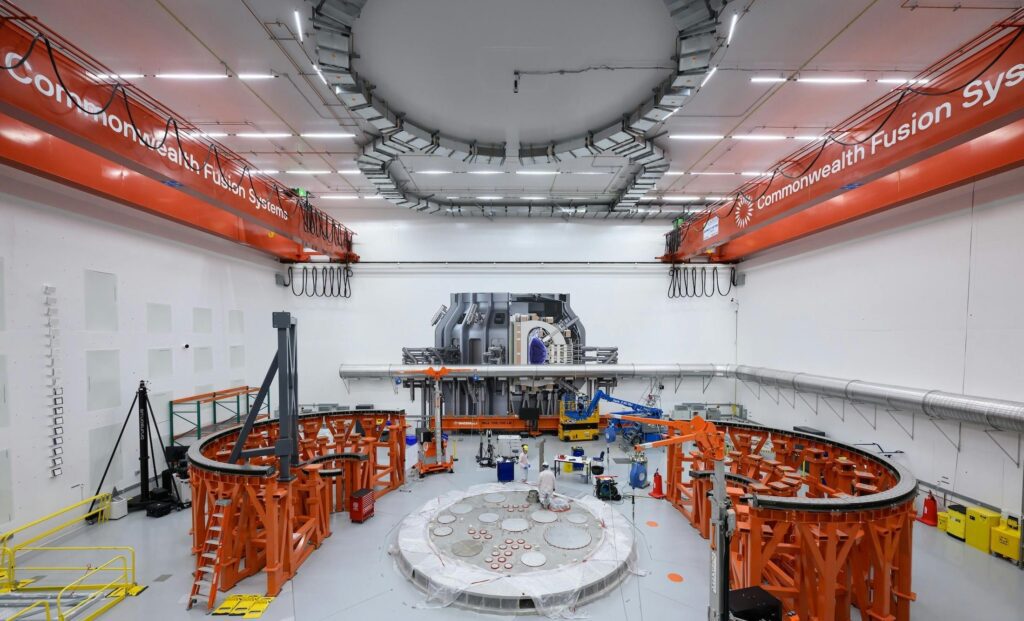
Other tech companies also have signed deals to secure power from fusion. Google in 2025 signed agreements with Massachusetts-based Commonwealth Fusion Systems.
Equity Deals
OpenAI is the company behind ChatGPT, the popular advanced AI content generator. Industry sources told POWER on Monday that OpenAI, like Anthropic, another AI group, is offering private-equity firms deals to form joint ventures in an effort to raise capital and speed adoption of AI-based products. The sources said OpenAI is offering preferred equity stakes with a guaranteed minimum return of 17.5%, which is not normal for the industry. Sources also said OpenAI is dangling early access to new AI models as it seeks more investment.
Jason Mann, CEO and co-founder of Stock, a growth marketing company, said Helion’s foray into fusion to serve tech companies has implications beyond those groups’ immediate need for electricity.
Mann told POWER: “What this means for OpenAI is that it’ll help tackle the growing energy crisis it has by utilizing fusion energy that Helion is able to deliver, which of course is cleaner and a carbon-free alternative to natural gas. However, Helion’s current commitment to Microsoft and soon possibly OpenAI, could put a huge strain on its current and future infrastructure. The execution for Helion to provide 5 GW by 2030, 50 GW by 2035 to OpenAI is an enormous undertaking, and risk, for the company. It’s a risk because fusion technology at these scales is new and unproven. But if Helion is able to accomplish this, it’ll be easily one of the largest power producers in the country.”
Mann added, “And what this means for consumers and the end user, is basically cheaper AI. But where consumers will benefit most is if Helion can actually provide fusion energy at a larger scale because then theoretically it should be cheaper energy not just for AI but for everyone else as well.”
Impact on Competitive Landscape
Edward Tian, CEO of GPTZero, another company in the AI space, said, “The partnership between OpenAI and Helion Energy provides insight into the future of technology. One thing that we learned from building GPTZero was that the biggest bottleneck for AI today is not the capabilities of the model itself, but instead computing and the energy to run those models. An even moderately sophisticated AI system requires a tremendous amount of computer infrastructure in order to run reliably at scale. As more users adopt AI technology, this infrastructure burden will continue to grow and create a lot of additional pressure on both the computer and energy supply.”
Tian told POWER, “What this partnership shows us is that AI companies are starting to consider more than just the software technology; they are also considering how to power that technology. This is a fundamental shift for the AI development community. The output still remains uncertain and so the short-term impact of this partnership is unknown, but will help to position these companies to capitalize on future market conditions. If the demand for AI continues to grow at the current rate, energy access will more than likely become a significant competitive differentiator going forward.
“This partnership also raises another important question: if AI companies are now linking themselves to energy providers or becoming energy companies, how will that shift the competitive landscape for AI?,” said Tian. “Typically, we think of the competitive advantages for models being based on the sophistication and performance of those models, however, this partnership may suggest that the next competitive advantage could come from being able to run those models at scale.”
—Darrell Proctor is a senior editor for POWER.