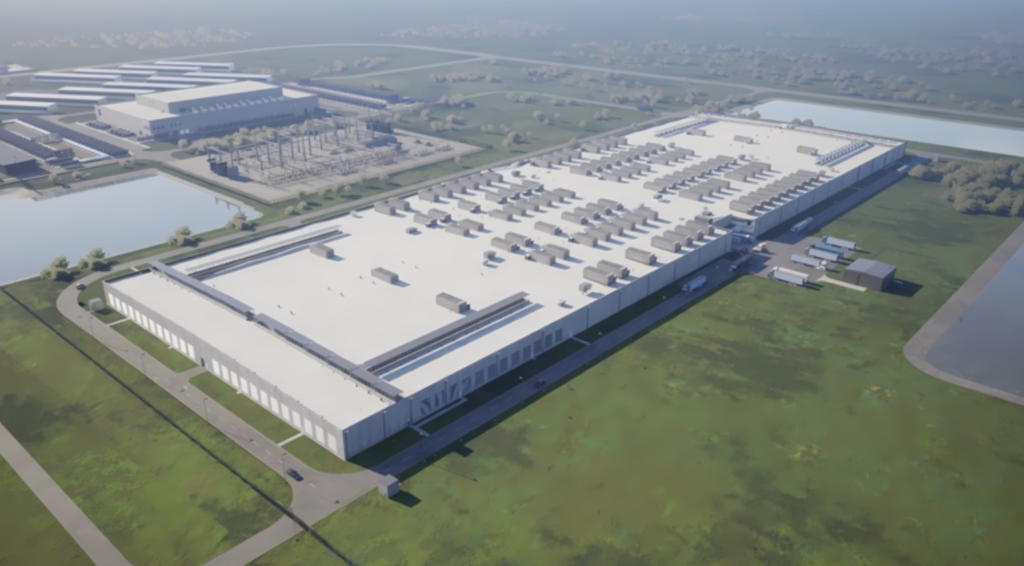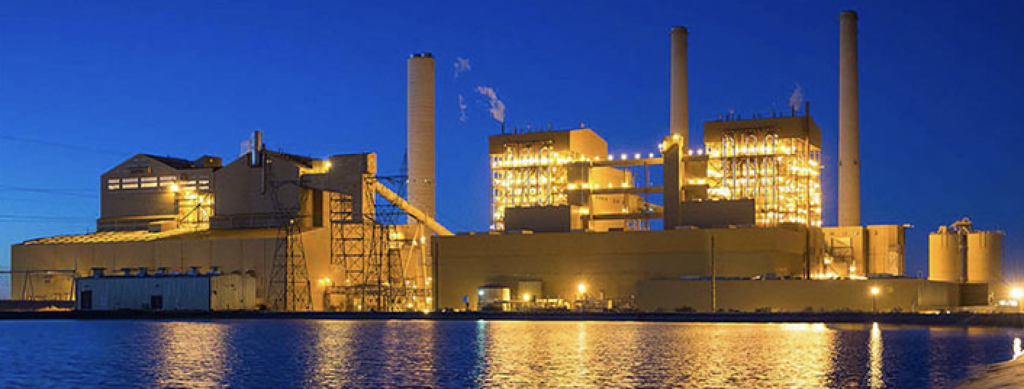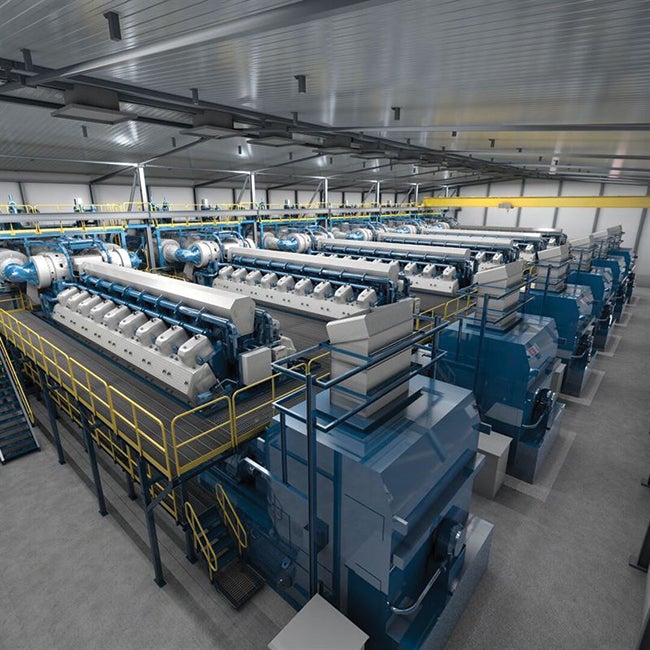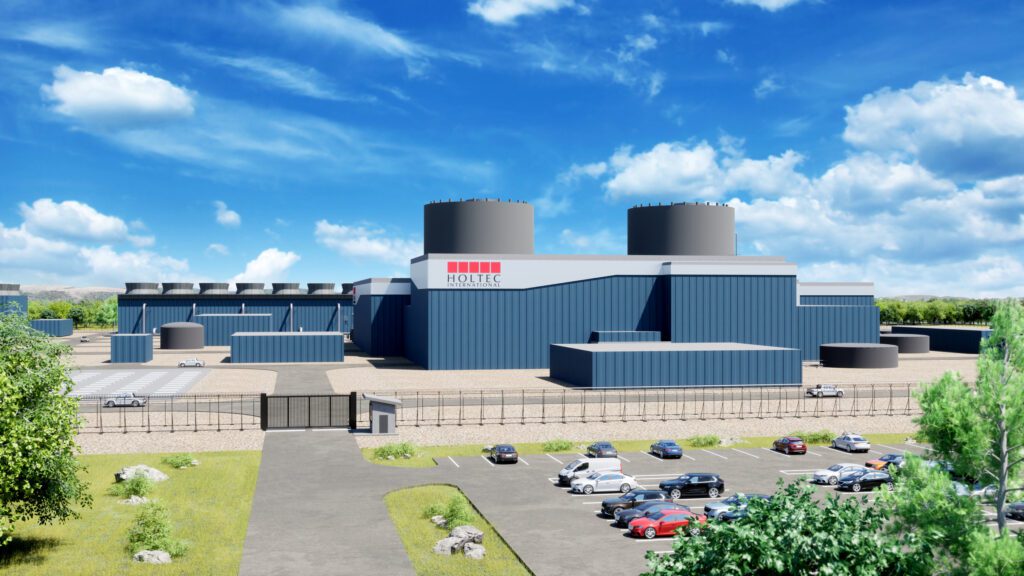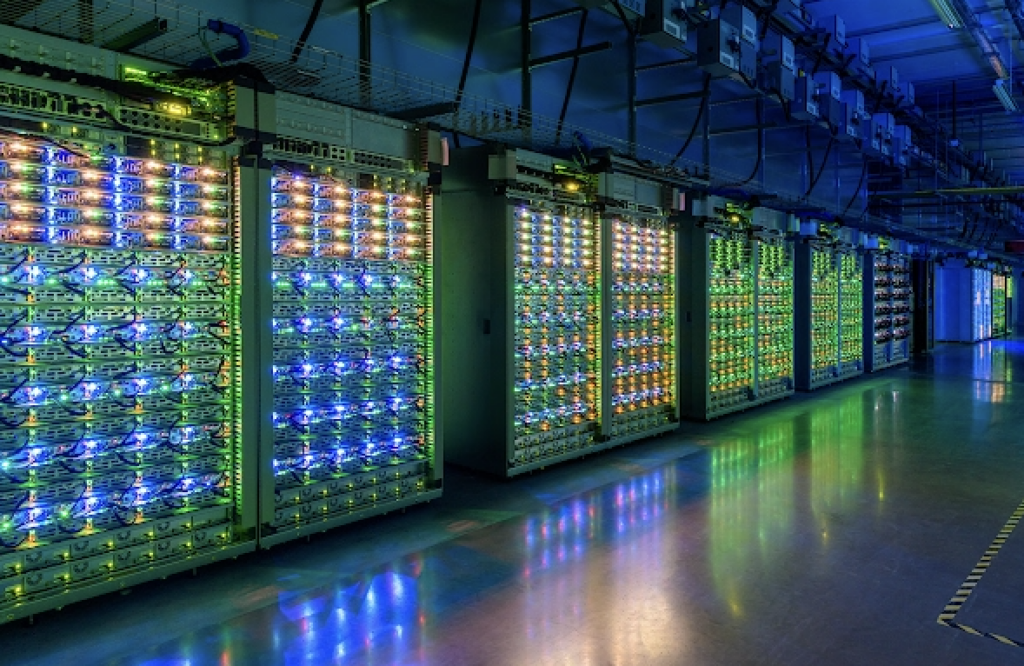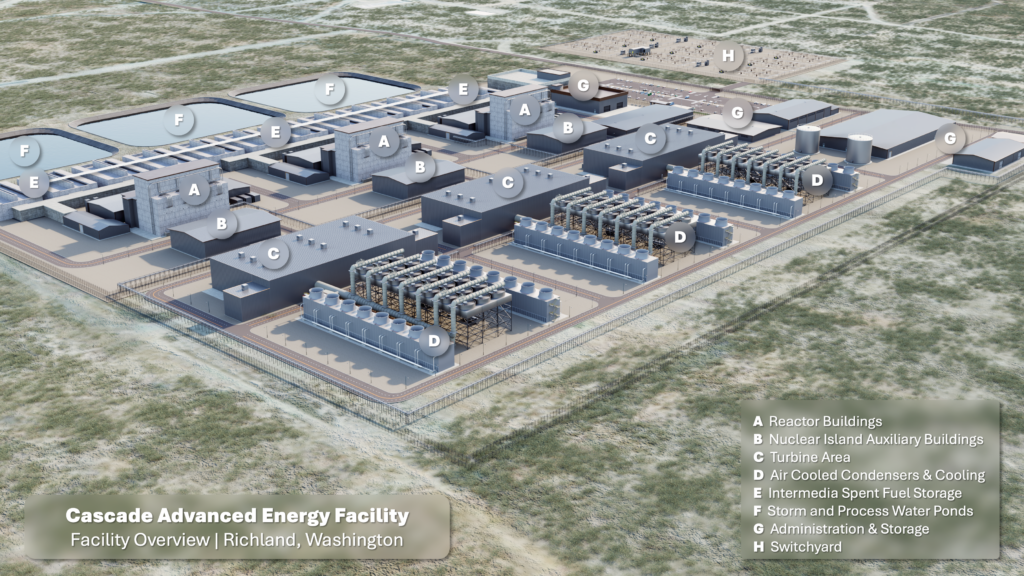
The first data center to run entirely on self-generated nuclear power will shatter a long-held assumption that computing infrastructure must wait for the grid. A large-scale facility will operate around the clock while controlled fission reactions take place 1,000 feet from its server racks. When that happens, every data center operator still waiting for grid access will realize their site selection strategy is now obsolete.
COMMENTARY
Small modular reactors (SMRs), which modernize traditional nuclear power, will generate electricity on-site and eliminate dependence on the electrical grid. Data center operators and utility consortiums have already committed billions to SMR projects across North America. Oklo’s Aurora microreactor at the Idaho National Laboratory and TerraPower’s Natrium nuclear plant in Wyoming have broken ground.
This is just the beginning. It has to be.
AI Workloads Are Breaking The Grid
In 2023, U.S. data center electricity consumption reached 176 terawatt-hours (TWh). By 2028, that number could exceed 580 TWh and account for up to 12% of national demand.
Artificial intelligence (AI) workloads are pushing that trajectory and reversing the traditional site selection model. Power now determines location. If a utility can’t guarantee delivery, the project won’t proceed.
Across the country, operators face interconnection wait times of around five years. In Northern Virginia’s “Data Center Alley,” PJM Interconnection has paused new project reviews until next year while it works through a backlog of applications. In Georgia, where Atlanta has become the national leader in data center net absorption, Georgia Power plans to upgrade its generation and transmission systems to support what it called “extraordinary growth.”
Much of the U.S. power grid was built between the 1960s and 1990s to handle distributed load growth, not facilities requiring hundreds of megawatts. Today, even if capacity is technically available, permitting cycles can be so lengthy that a hyperscaler could choose another location and build three 800-MW campuses before transmission upgrades happen.
Each workaround comes with tradeoffs. Solar and wind projects, like fossil fuels, enter interconnection queues and add intermittency and siting challenges. Natural gas is the best fallback option, but pipeline capacity and carbon policies limit its long-term viability. Some nuclear plants are being restarted, but their full power output has been pre-sold.
Most alternative energy sources can’t fulfill data centers’ needs. Nuclear power does—and it can do it on-site, in phases, without waiting for the grid.
SMRs Deliver Power Where It’s Needed
Unlike traditional grid infrastructure, SMRs can be sized and deployed alongside the facilities they power.
They will produce 50-300 MW, which can power several data centers, and additional units can be procured as demand grows. In comparison, a conventional 1.2-GW light-water nuclear plant takes 10 to 12 years of licensing and construction plus about $10 billion in capital.
SMRs also help with land constraints. Some designs require only a few dozen acres—far less land than a utility-scale solar project with battery storage. Close proximity greatly reduces interconnection delays and transmission loss.
Modular assembly shortens timelines, too. Because SMRs can be factory-built and put together on-site, construction can happen simultaneously. Lead times will be about five to seven years, largely due to regulatory frameworks, but once the first projects move forward and supply chains take shape, those should shrink.
Most importantly, the technology is proven. SMRs are based on pressurized water reactor designs used in submarines for decades. Passive cooling, sealed containment, and sealed low-enriched uranium cores make them safer and easier to manage than legacy reactors.
Data centers grow in stages. SMRs are built to match them. But adoption depends on regulatory frameworks and finance structures catching up.
Permitting, Perception Create Friction
SMRs themselves won’t remove the process bottlenecks.
Even with broad political support, federal licensing involves environmental impact assessments, security audits, public hearings, and extensive design certification. The NuScale-UAMPS Carbon Free Power Project received support from the Department of Energy, approval from the Nuclear Regulatory Commission, and early buy-in from utilities. It was canceled in 2023 after cost overruns and subscriber withdrawals made the economics unworkable.
Capital requirements make that risk even greater. Developers may spend $50 million to $75 million on early site permits with no guarantee their project will move forward. Public skepticism about nuclear power is rooted in Cold War anxieties and Chernobyl-fueled nightmares, and it adds another layer of uncertainty for investors. Yet, U.S. government agencies and private investors have committed nearly $9 billion to SMR-related development, signaling confidence that modern reactor designs can overcome outdated perceptions.
Despite these obstacles, support is growing. Amazon, Google, Microsoft, and Meta are investing in SMRs through power purchase agreements, funding partnerships, or site-level development agreements. Their involvement indicates the technology is viable and bankable.
Once a data center runs continuously on an SMR, skepticism will collapse, and every operator still negotiating interconnection timelines will realize they’re focused on the wrong problem.
The First Deployment Will Change Everything
The U.S. leads the world in nuclear power production and installed data center capacity. Those realities will soon overlap.
Most SMRs won’t reach commercial operation until later this decade or the early 2030s, but data centers are already looking that far ahead. Land procurement, environmental permitting, substation approvals, and network integration stretch across multi-year windows. Adding power generation won’t affect that timeline.
After the first SMR-powered data centers come online, precedent will drive market confidence. Engineers will replicate proven designs. Permitting will be streamlined. Lenders will compete to finance projects. Operators will sell nuclear reliability. Competitors will be forced to adapt.
SMRs will relieve pressure on the nation’s energy infrastructure and enable the next wave of technological innovation. AI training compute doubles every five months. Data center power use doubles annually. The grid can’t keep pace. SMRs can.
—Ryan Mallory is CEO of Flexential, where he is responsible for setting the company’s strategic direction, leads its external-facing priorities, and works closely with the leadership team to ensure continued alignment across brand, financial strategy, and platform development. He joined Flexential in 2020 and brings more than 25 years of global infrastructure experience at companies including Equinix and Digital Realty.