With electricity demand projected to rise 25% by 2030 and 78% by 2050 from 2023 levels, utilities are facing a perfect storm—aging infrastructure, climate-driven disruptions, and escalating expectations for reliability and resilience. Meeting this moment will require more than incremental improvement; it demands entirely new sources of capacity, and a fundamental rethink of how the industry delivers outcomes.
Procurement is no longer a support function—it is the utility industry’s most critical capacity builder. Long before crews reach the field, procurement decisions determine whether transmission and distribution (T&D) projects advance or stall, shaping access to critical materials, supplier reliability, and risk exposure.
COMMENTARY
Once viewed primarily as a purchasing and cost containment function, procurement is now being recognized by forward-looking utilities as a value enabling, strategic advantage. In an era defined by supply volatility, regulatory pressure, and unprecedented capital expansion, procurement secures supply, manages risk, and keeps T&D programs on schedule, while unlocking capacity and value that have historically been left on the table.
When disruption strikes, procurement is where the pressure lands first. That reality positions it to anticipate constraints, detect early warning signals, and intervene before issues cascade into field delays. Utilities that elevate procurement accordingly are not just managing challenges—they are actively building the capacity required to deliver reliable, on-time T&D outcomes.
Preparing to Meet Growing Demand
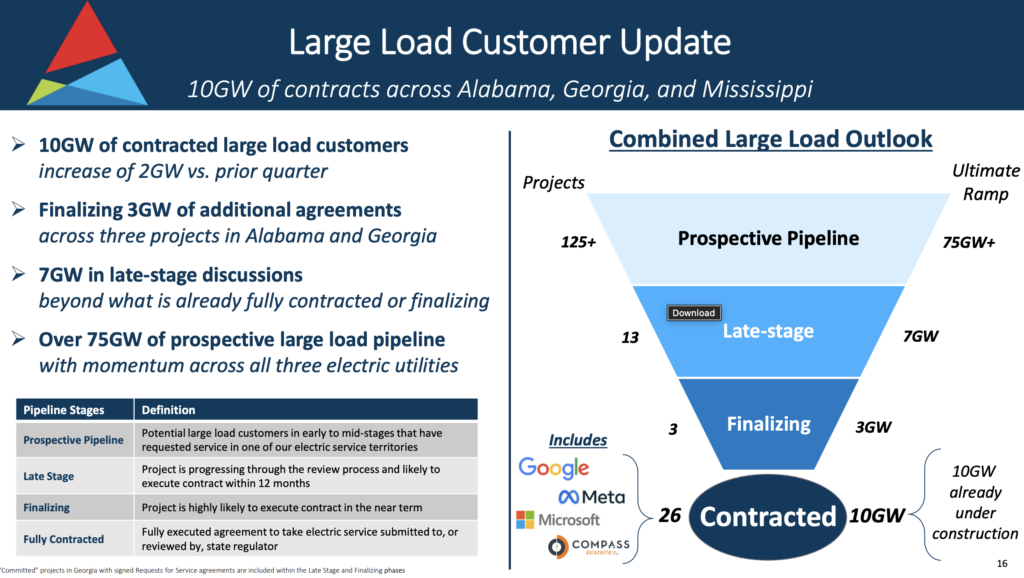
Data centers alone are projected to triple their energy consumption by 2028 compared to 2023 levels. Operating around the clock, a single campus can draw as much power as a mid-sized city, straining regional grids during both peak and off-peak hours. Add to that the rapid adoption of electric vehicles and the electrification of heating systems shifting load from gas to electricity, and the scale of the challenge becomes unmistakable.
Procurement is the linchpin for meeting this surge in demand. By securing capacity early, negotiating favorable pricing for critical materials and equipment, and collaborating closely with suppliers to prevent bottlenecks, procurement enables utilities to upgrade infrastructure efficiently and maintain reliable operations.
Modernizing the Grid Amid Market Turbulence
America’s utility infrastructure is long overdue for modernization, making the challenge of meeting rising demand even more complex. Most U.S. distribution lines have outlived their 50-year life expectancy and utilities are investing in these improvements at record rates, with capital expenditures topping $178 billion in 2024 and projected to reach $220.7 billion by 2026. Transmission upgrades alone account for more than $34 billion of that spend.
But these investments face headwinds in a volatile market. Tariffs on steel, aluminum, copper, and other metals have driven up production and construction costs, while prices for critical components, such as transformers, switchgear and smart meters, continue to rise. As a result, both conventional and renewable projects are under growing financial pressure.
Furthermore, because of tariffs, trade disputes and demand spikes, lead times are stretching dramatically. It can now take two to four years to order and obtain a transformer. Semiconductor shortages are slowing smart grid progress, and high copper and aluminum prices are stalling cable orders. Add shipping bottlenecks, and the result is missed opportunities, delayed fulfillment, and declining customer satisfaction.
Procurement is uniquely positioned to manage the risk and turbulence utilities now face. Through disciplined contracting, dedicated monitoring teams, diversified supply bases, and the use of predictive analytics, procurement enables utility operations to anticipate disruption rather than react to it. Leading organizations are going a step further—establishing tariff command centers that combine real-time analytics with cross-functional decision-making to identify, assess, and mitigate supply chain risks before they impact T&D performance.
Recovering from Climate-Driven Disasters
Another cost to utilities is climate-related damage. The U.S. grappled with more than 40 billion-dollar climate disasters in the past few years, with more than $115 billion in damages in 2025 alone. These damages not only disrupt transmission to customers, but they also disrupt supply chains, drive costs, and delay critical projects. The ripple effects from these disasters are lasting years.
Procurement can embed resilience against climate-driven disasters by establishing regional stockpiles, negotiating surge-capacity agreements and mutual-aid contracts, and stress-testing suppliers for continuity and recovery readiness.
As the gateway to supply chain sustainability, procurement can help utilities reduce their environmental footprint and avoid contributing to climate-driven disasters. Almost all of emissions fall under Scope 3, generated by upstream suppliers or downstream partners. Procurement teams can collaborate directly with suppliers to track, manage, and help reduce these emissions. It also can focus on responsible sourcing to minimize environmental impacts while driving economic value.
Procurement Power-Up: Turning a Pain Point into a Strategic Advantage
Despite its potential, procurement has historically been considered a weak spot for many utilities. Compared to other industries, the sector has lagged in procurement maturity, and the consequences are costly. Without a strategic approach, projects can run 20–40% over budget, forcing utilities into tough choices: absorbing the overruns or delaying critical upgrades.
To tackle the industry’s mounting challenges, utilities must elevate procurement from a transactional function to a strategic powerhouse. Here are the top actions that can close the gap:
1. Establish tighter alignment with your business partners: Position procurement as an enabler of operational reliability and growth—not a cost gatekeeper. Embed procurement early in planning cycles, align category strategies to long-term operational and capital plans, and co-own performance outcomes that matter to the enterprise.
2. Diversify suppliers to build resilience: Lock in contracts for long-lead-time items and identify alternative sources for the most critical components and materials. Then expand these efforts to find alternative suppliers for as much of the procurement portfolio as possible. Alternative suppliers provide a backup during supply chain disruptions and can even offer financial savings. In addition, expand regional manufacturing partnerships, and explore friendshoring for critical components.
3. Develop procurement talent: Build a team with strategic procurement expertise through targeted hiring, ongoing professional development, and specialized consultant partnerships.
4. Adopt procurement technology and analytics: Predictive insights enable smarter long-range budgeting, more accurate rate case planning, and stronger recovery strategies.
5. Create a procurement center of excellence: A centralized hub for spend data, supplier status, and project milestones streamlines decision-making and accelerates execution.
6. Nurture supplier relationships: Treat suppliers as strategic partners and customers, enabling the team to unlock better pricing, foster innovation, and strengthen resilience and sustainability practices.
Supercharging the Utilities of Tomorrow
Utilities are operating under unprecedented, interconnected pressures—and procurement now sits at the center of how those pressures are navigated. When elevated as a core capacity builder, procurement becomes a force multiplier for T&D performance, enabling utilities to meet accelerating demand, secure critical supply, and reduce the risk of costly disruptions before they reach the field.
For a deeper dive into how procurement can transform utility performance in an era of disruption, explore ProcureAbility’s recent insights in: “Charged for Change: Transforming Utilities Procurement in an Era of Disruption.”
—Conrad Snover is CEO at ProcureAbility. Snover Conrad leads the firm’s vision and growth with a focus on client success, talent and culture, and the continuous innovation of procurement and supply chain services. He is deeply committed to and experienced in helping global organizations evolve procurement from a transactional function into a strategic, enterprise value driver.