From plunging costs to policy upheaval, the global battery storage sector is transforming grid design—and facing unprecedented challenges.
The energy storage industry stands at a pivotal crossroads. On one side, costs are plummeting so dramatically that utility-scale batteries can now deliver solar power around the clock at competitive prices. On the other, regulatory upheaval—particularly in the U.S.—threatens to disrupt supply chains and slow deployment at the very moment storage is most needed. This complex landscape presents both unprecedented opportunities and significant challenges for utilities, developers, and grid operators worldwide.
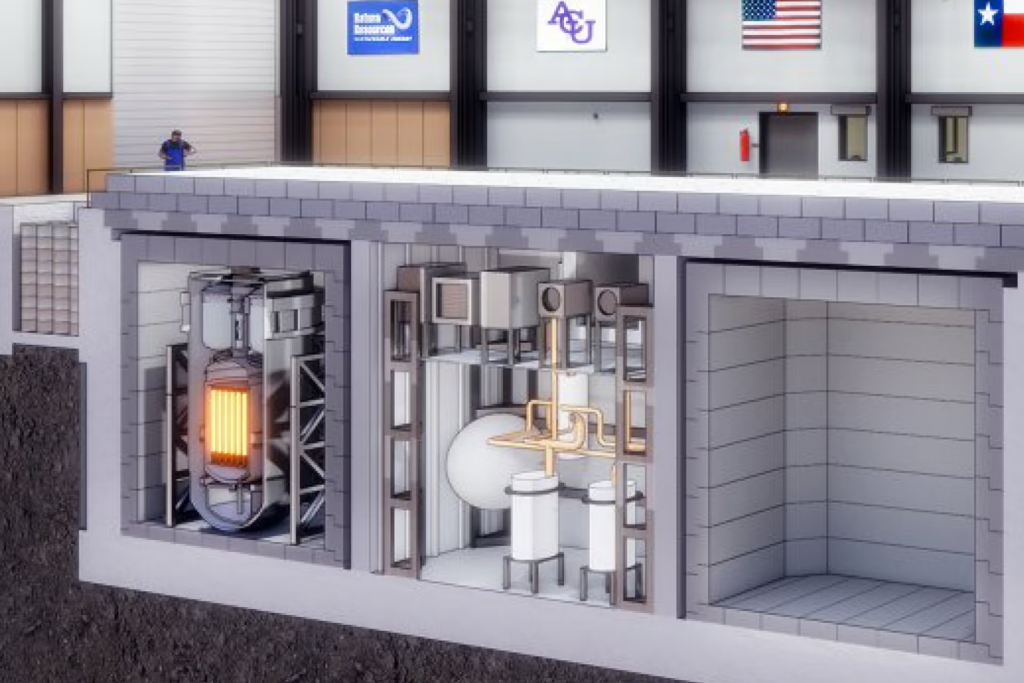
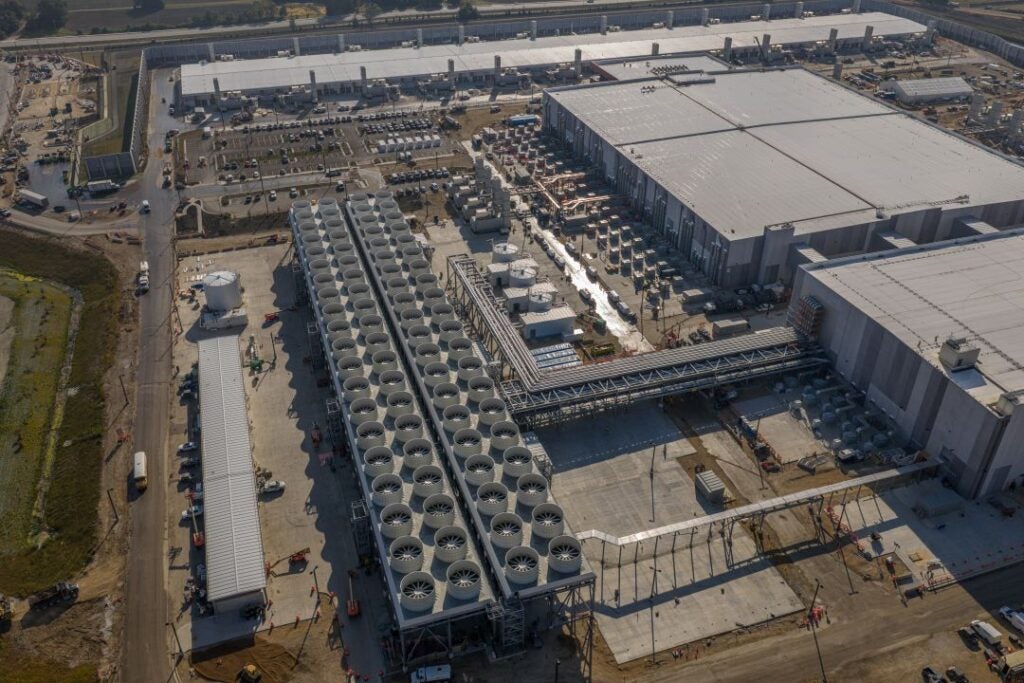
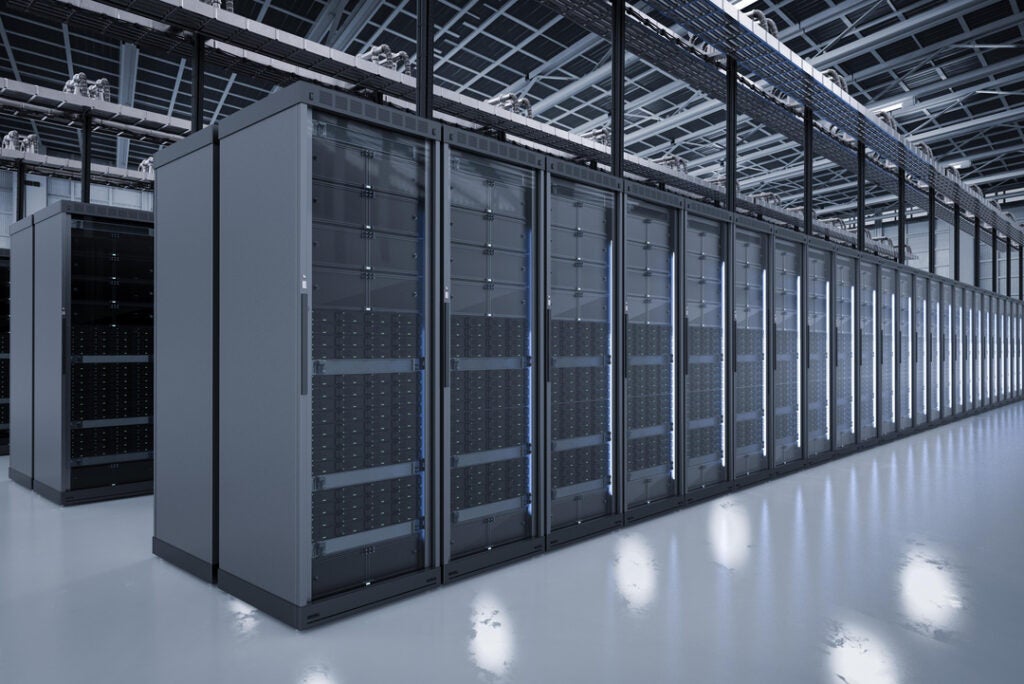
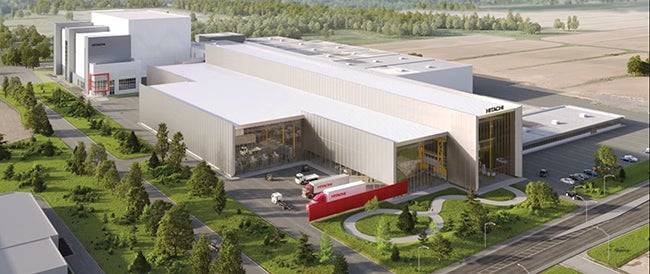
As data centers proliferate, electrification accelerates, and aging thermal plants retire, the need for flexible, reliable power has never been greater. Energy storage is increasingly viewed not merely as a complement to renewable generation, but as the backbone of future grid design (Figure 1). This comprehensive analysis examines the forces reshaping the industry across multiple continents and explores what the coming years may hold.
The Cost Revolution: Batteries Achieve Economic Breakthrough
The economics of battery storage have transformed so rapidly that industry veterans struggle to keep pace with the new reality. According to research released in December 2025 by energy think tank Ember, the cost of storing electricity with utility-scale batteries has fallen to just $65/MWh—a figure that fundamentally changes how solar power can be deployed.
“After a 40% fall in 2024 in battery equipment costs, it’s clear we’re on track for another major fall in 2025,” said Kostantsa Rangelova, global electricity analyst at Ember. “The economics for batteries are unrecognisable, and the industry is only just getting to grips with this new paradigm.”
Ember’s analysis assessed the cost of a complete battery storage system connected to the grid at only $125/kWh as of October 2025 for long-duration (four hours or more) utility-scale projects in global markets outside China and the U.S. Core battery equipment delivered from China now costs about $75/kWh, while installation and grid connection typically add approximately $50/kWh.
The implications are profound. Ember’s researchers said if half of daytime solar generation is shifted to evening hours through storage, the $65/MWh storage cost adds roughly $33/MWh to solar’s total cost. Combined with the global average solar price of $43/MWh in 2024, this yields dispatchable clean electricity at approximately $76/MWh—competitive with many conventional generation sources.
“Solar is no longer just cheap daytime electricity, now it’s anytime dispatchable electricity. This is a game-changer for countries with fast-growing demand and strong solar resources,” Rangelova said.
Europe Charts a Course for Strategic Storage Deployment
The European Network of Transmission System Operators for Electricity (ENTSO-E) released a comprehensive policy paper in December 2025 outlining market design principles for utility-scale storage deployment. The paper notes that while Europe currently has approximately 73 GW of energy storage capacity installed—predominantly pumped hydro—the continent will require roughly 200 GW by 2030 and at least 600 GW by 2050 to meet its flexibility needs.
The ENTSO-E framework identifies three primary policy pathways for enabling storage investment: improving conditions for merchant investments, adapting capacity mechanisms to increase storage participation, and designing effective non-fossil flexibility support schemes.
“Storage systems not only reduce curtailment by shifting renewable generation from periods of excess supply to periods of higher demand but also deliver fast-responding balancing energy and high-value ancillary services,” the ENTSO-E paper states. The organization emphasizes that storage can provide black-start capability and, depending on technology, mechanical or synthetic inertia—services increasingly valuable as synchronous thermal generation retires.
The European policy landscape presents both opportunities and complexities. Grid connection requests for battery storage have surged dramatically, with German TSOs collectively reporting about 230 GW of battery energy storage system (BESS) connection applications, while Italy’s Terna reports approximately 300 GW of storage connection requests. However, ENTSO-E notes that many of these requests remain speculative, submitted before firm investment decisions are made.
Italy has emerged as a frontrunner, establishing a dedicated competitive mechanism called MACSE (Mercato per l’Approvvigionamento di Capacità di Stoccaggio Elettrico) for procuring new utility-scale storage capacity. In September 2025, approximately 10 GWh of new BESS was procured at an average price below €13,000/MWh-year, with delivery starting in 2028 for a 15-year period.
Germany’s innovative “Grid Booster” projects represent another approach, using large-scale batteries as “virtual transmission lines.” In one example, TenneT’s system deploys two 100-MW/100-MWh battery installations supplied by Fluence at geographically distinct substations in Schleswig-Holstein and Bavaria. When transmission line outages occur, the northern unit absorbs excess power while the southern unit injects energy, providing automated redispatch that maintains system stability without operator intervention.
U.S. Storage Sector Navigates Regulatory Upheaval
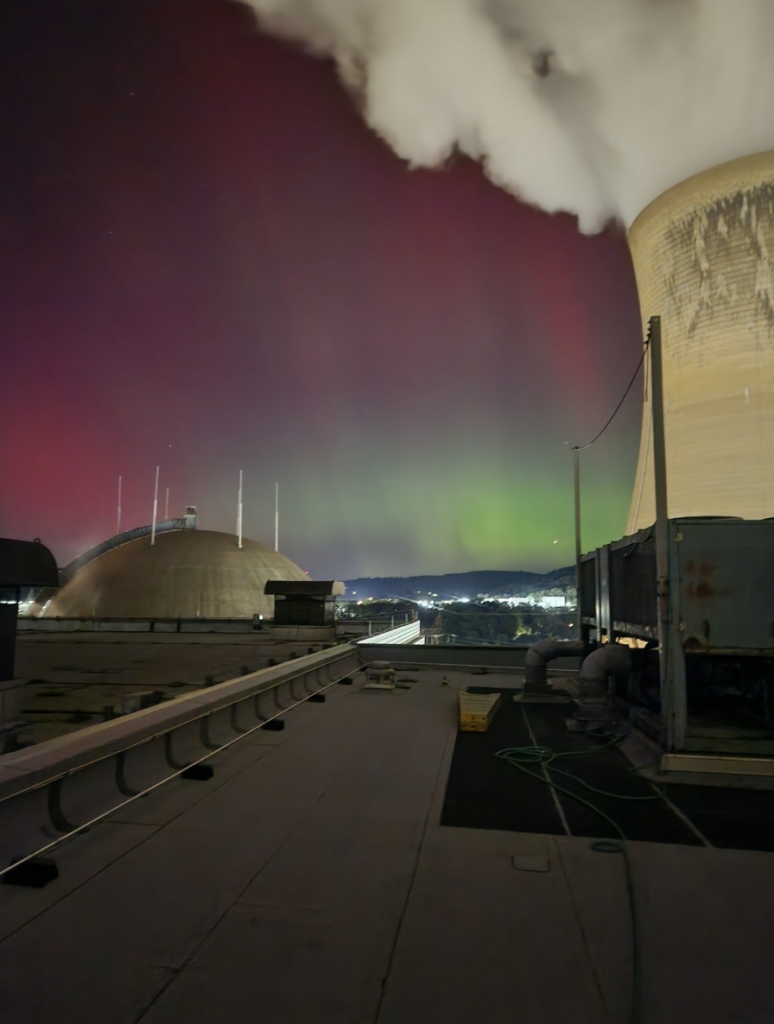
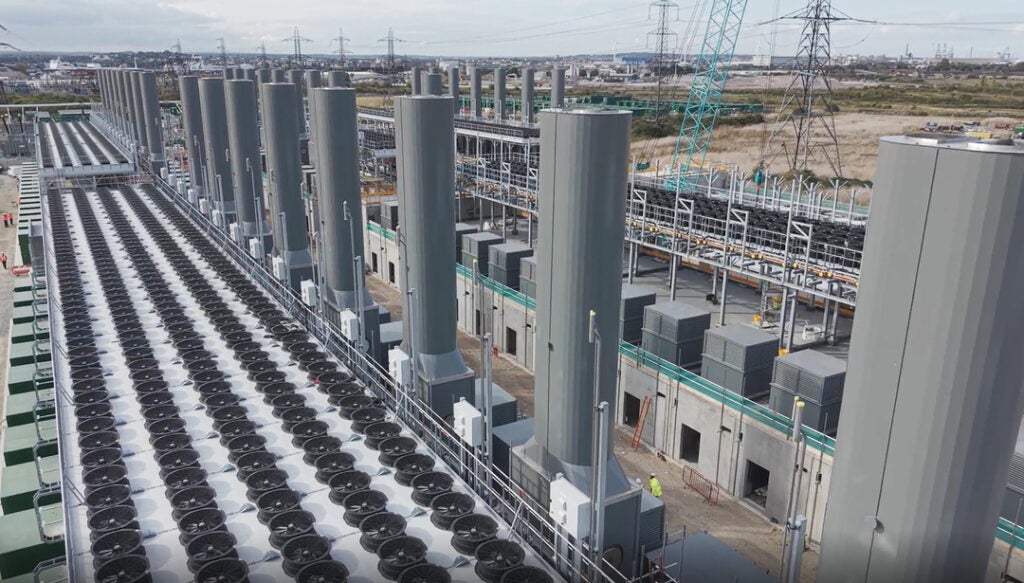
The American energy storage market has weathered considerable turbulence in 2025, with fluctuating tariffs and the passage of the One Big Beautiful Bill Act (OBBBA, Figure 2) creating both uncertainty and, ultimately, relative clarity for the sector. While wind and solar projects face accelerated phase-outs of tax credits under the new legislation, energy storage emerged comparatively unscathed—its credits not phased out until after 2033.

“Those who are driving renewable build out, including all of the AI [artificial intelligence] data center growth, have come to appreciate the role of baseload power and firm supply,” explained a vice president at one of the world’s leading investment banks in an analysis by law firm Troutman Pepper Locke. “This was a factor in OBBBA in that, while you saw a phase out for wind and solar tax credits, that is not the case for baseload power, including geothermal, nuclear, and battery storage.”
However, the OBBBA’s Foreign Entity of Concern (FEOC) rules pose significant challenges for an industry heavily dependent on Chinese supply chains. These restrictions prevent entities linked to adversarial nations, particularly China, from accessing U.S. energy tax incentives—either directly or indirectly.
The FEOC rules are “really handicapping the industry pretty significantly,” Tom Cornell, CEO of battery storage system supplier Prevalon, a Mitsubishi Power Americas and EES joint venture, said in the Troutman Pepper Locke report. “There’s just not enough time to move the supply chain that quickly, especially around the battery cells, so that’s really our big concern,” he said.
Andrew Waranch, CEO of Spearmint Energy, took a more optimistic view in the report, noting that forward-thinking companies began preparing months before the regulations took effect. “Our team took aggressive action in May 2024, six months before the election,” he said. “We started evaluating suppliers all over the world.” Waranch traveled extensively to Europe, Japan, and Korea seeking alternative suppliers, and many manufacturers made similar contingency plans after witnessing tariffs’ impact on the solar industry.
Beyond Lithium-Ion: The Search for Alternatives
Supply chain pressures and the need for longer-duration storage are accelerating interest in technologies beyond conventional lithium-ion batteries (see sidebar). Antonio Baclig, CEO of Inlyte Energy, sees the current moment as an inflection point.
Key Storage Technologies ComparedLithium Iron Phosphate (LFP). The most widely deployed lithium-ion chemistry for utility-scale and behind-the-meter battery energy storage, with typical system round-trip efficiency in the 85% to 90% range depending on design and operating conditions. Typical discharge duration for current grid-scale projects is 2–4 hours, though systems are increasingly configured for 1–6+ hours based on application needs. Supply chains for key materials and cell manufacturing remain significantly concentrated in China, even as regional diversification efforts and policies targeting tariff and Foreign Entity of Concern (FEOC) exposure gain momentum. Sodium-Ion. An emerging battery technology that uses more abundant materials, positioning it as a potential lower-cost alternative to lithium-based chemistries over the long term. Sodium-ion generally exhibits lower gravimetric and volumetric energy density than LFP, which can translate into larger system footprints and, at present, higher installed costs per kWh for many grid applications. Challenges related to voltage profile, calendar life, and temperature sensitivity require tailored battery management and power electronics strategies, and early commercial development and manufacturing activity is currently led by Chinese suppliers, with growing interest in other regions. Iron-Sodium (Sodium Metal Chloride). A long-duration storage approach that uses iron and salt-based electrochemistry (often described as sodium metal chloride or iron–sodium) and has reported round-trip efficiencies in the 80%-plus range in recent third-party tests. Developers indicate that adding storage duration—from 4 to 24 hours—primarily involves scaling relatively low-cost active materials and balance-of-plant, which can limit incremental cost increases to well below the multiples typically seen when extending lithium-ion systems to very long durations, although independent cost data remain limited. The chemistry’s operating mechanism and temperature regime significantly reduce the risk of classic lithium-ion thermal runaway, and at least one manufacturer has announced plans to start U.S. production lines with commercial ramp-up targeted by 2026. Flow Batteries. Electrochemical storage systems such as vanadium, zinc-bromine, and iron-chromium flow batteries store energy in liquid electrolytes, allowing energy capacity to scale largely with tank volume while power scales with stack size. Typical round-trip efficiencies for commercial systems fall in the roughly 65%–80% range, trading some efficiency relative to lithium-ion for long cycle life, deep depth-of-discharge capability, and inherent safety advantages due to separation of energy storage media and power conversion components. These systems are primarily targeting 4- to 12-hour applications today, with the option to extend duration further by increasing electrolyte volumes where space and cost allow. Pumped Hydro Storage. A mature mechanical storage technology that shifts water between lower and upper reservoirs, and remains the dominant source of installed grid-scale storage capacity in many regions. In Europe, pumped hydro accounts for the bulk of installed storage capacity—on the order of tens of gigawatts out of total storage capacity in the same range—illustrating its central role in current long-duration storage portfolios. While it can provide multi-hour to multi-day duration, deployment is constrained by geography, environmental impacts, and long permitting and construction timelines that commonly span 6–10 years or more for new projects. Iron-Air and Hydrogen. Iron-air batteries and hydrogen-based storage (including electrolysis, storage, and reconversion via fuel cells or turbines) are being developed to deliver very long durations, often targeting 100-plus-hour applications, multi-day backup, and seasonal shifting of renewable energy. Both approaches typically exhibit lower round-trip efficiency than lithium-ion or LFP—particularly for hydrogen systems that involve multiple conversion steps—but could offer very low levelized cost per kWh for infrequent, high-value discharge events if capital and fuel costs can be reduced at scale. Commercial deployment remains limited to pilot and early commercial projects, with significant research, demonstration, and policy support still needed to validate cost, durability, and system integration performance at scale. |
“The driver for storage has fundamentally changed in the past year,” Baclig explained in an exclusive interview with POWER. “Rapid load growth is straining the existing grid and energy storage provides the flexibility to modify power flows and flatten load variation, allowing us to get more out of the grid we have. New energy—solar—is part of that, but firm capacity and flexibility are the strengths of storage.”
Inlyte Energy recently completed a factory acceptance test of its first full-scale iron-sodium battery storage system, witnessed by representatives from Southern Company at Inlyte’s UK facility. The system achieved 83% round-trip efficiency including auxiliaries—competitive with high-performance lithium-ion and substantially above the 40% to 70% range typical for other long-duration energy storage technologies. Installation at Southern Company’s energy storage test site in Wilsonville, Alabama, is planned for early 2026.
“To win the future, we need abundant and secure supplies of energy in the U.S., and at the same time we need to make costs go down, not up,” Baclig said in a statement to the press. “We can’t do that by building the same thing as China. We need to make better technologies, with batteries that are fundamentally lower cost, safer, and longer lasting.”
Baclig expressed skepticism about sodium-ion (Na-ion) technology as an alternative to lithium iron phosphate (LFP) batteries. “Na-ion has a relative disadvantage compared to LFP due to lower energy density,” he told POWER. “This means that the overall system will cost more per kWh. It also has a very wide voltage profile that does not integrate as well with the common power electronics used for lithium ion.” He noted that China already dominates the Na-ion supply chain, meaning even greater protectionist policies would be needed to build domestic U.S. capacity.
The economics of extending duration represent a key advantage for some alternative chemistries. According to Baclig, “The cost to make a 24-hour iron-sodium system is only slightly higher (<25%) than a 4-hour system, because the battery allows us to add more iron and salt active material into the existing vessel to achieve the higher energy.” In contrast, achieving 24-hour duration with lithium-ion technology would cost nearly six times as much as a 4-hour system.
The Winter Peaking Challenge Emerges
A fundamental shift in grid planning is underway as utilities grapple with winter peaking challenges that differ substantially from traditional summer demand patterns. Baclig highlighted this emerging concern: “The main difference between summer and winter peaking is the lack of significant, reliable daily solar energy that separates one day from the next to allow for storage recharge. Wind is relatively difficult to predict and rely on for daily energy. Major cold snaps tend to persist for multiple days at a time.”
The February 2021 Winter Storm Uri, which devastated the Texas grid, demonstrated the stakes involved. As climate volatility increases and heating electrification accelerates, the need for storage capable of multi-day discharge is becoming increasingly apparent in utility planning studies.
“Long-term studies for 2030 and beyond point to the growing importance of 10- to100-hour solutions to address resource adequacy, driven by winter peaking needs,” Baclig said. “Gigawatts of 24-plus-hour storage will be contracted by 2030 in the U.S.,” he predicted.
“Energy storage is essential for creating a reliable and flexible energy grid,” Steve Baxley, Southern Company’s energy storage and use research and development manager, said in Inlyte’s news release. “As the grid evolves toward longer-duration storage, developing solutions that are both low-cost and safe is critical to ensuring affordable, dependable service for customers.”
Global Project Pipeline Accelerates
Despite policy uncertainties, the global storage project pipeline continues to expand rapidly. Major announcements in December illustrate the breadth of deployment activity:
Arizona. Copenhagen Infrastructure Partners (CIP) acquired the 250-MW/1-GWh Beehive Battery Energy Storage System from EDF Power Solutions. Located in Peoria, Arizona, the project has a 20-year tolling agreement with Arizona Public Service Co. (APS) and is expected to reach commercial operation in the first half of 2026. “With electricity demand rapidly increasing in the Southwest, we anticipate battery storage will play a critical role in powering innovation and economic growth,” Tim Evans, partner and head of North America at CIP, said in a statement.
Australia. e-STORAGE, part of Canadian Solar, will deliver a 204-MW/408-MWh alternating-current (AC) battery system for Vena Energy’s Tailem Bend 3 project in South Australia, targeted for operation in 2027. Separately, Wärtsilä announced its tenth Australian BESS project—a 100-MW/223-MWh system for renewable energy retailer Flow Power. The project, known as Bennetts Creek BESS, is located adjacent to the Morwell Terminal Station in Victoria, and will also provide frequency regulation services when operational in 2028.
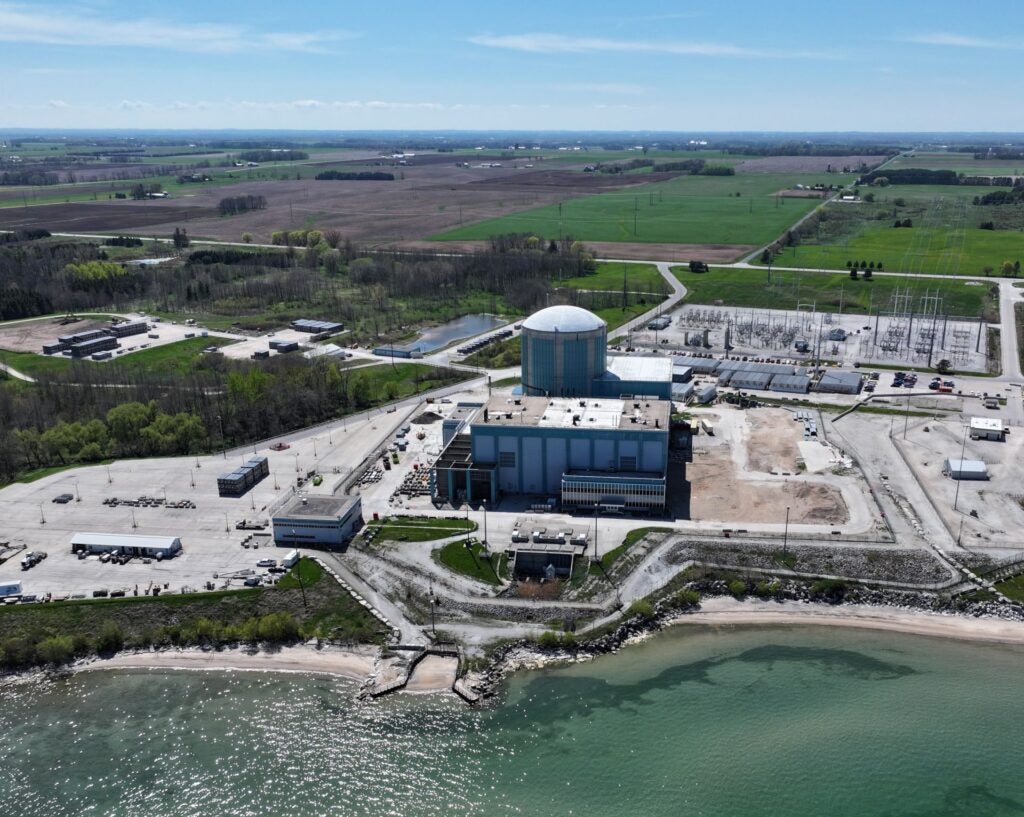
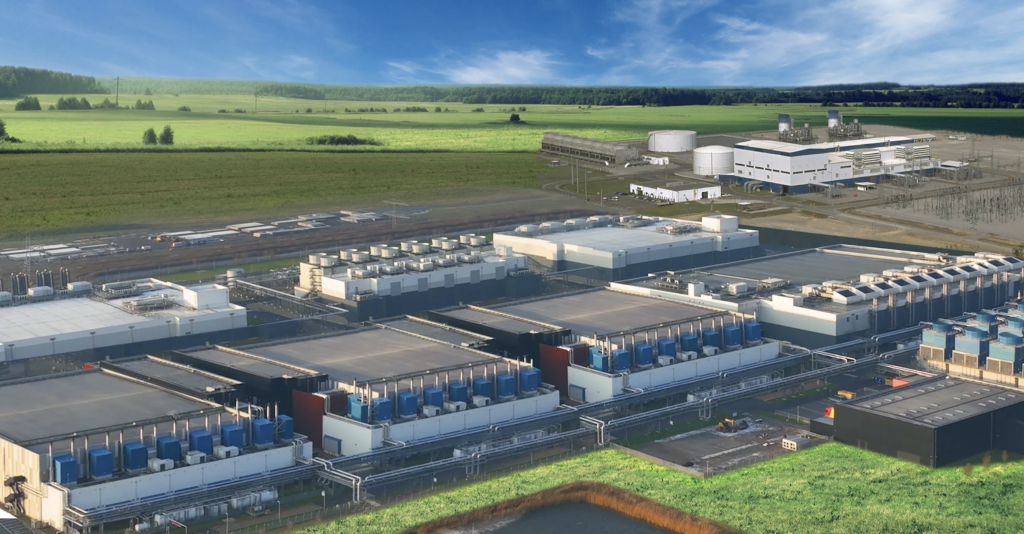
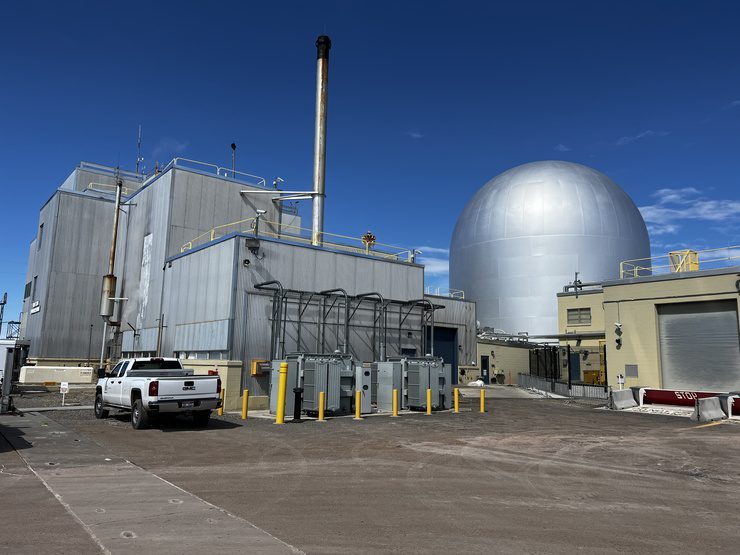
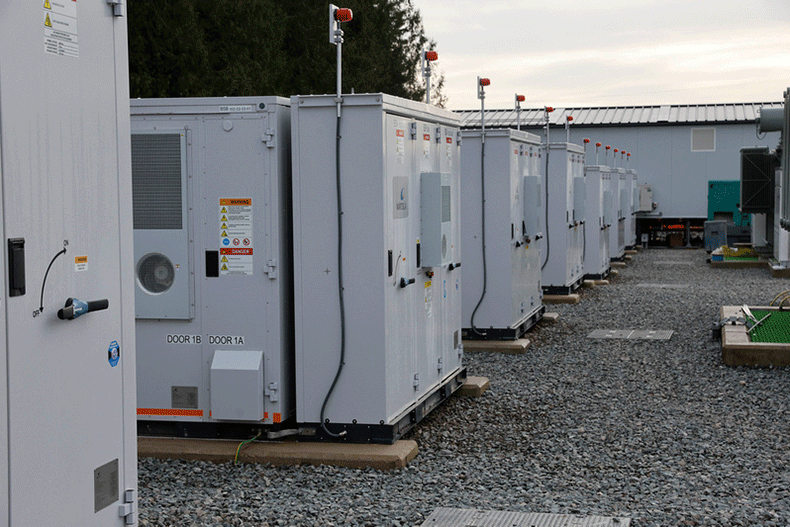
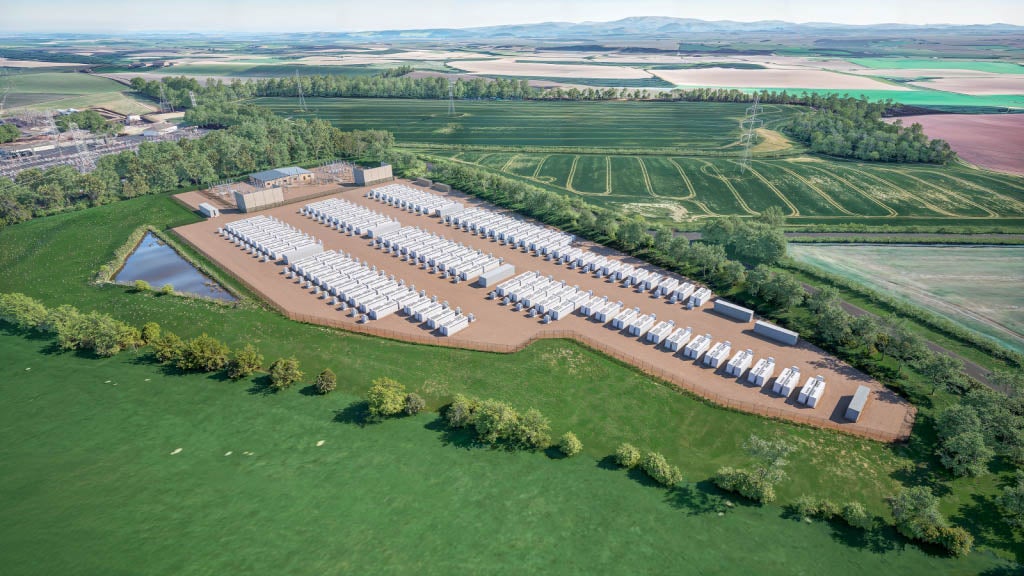
United Kingdom. Matrix Renewables signed a full engineering, procurement, and construction (EPC) agreement with Tesla for a 500-MW/1-GWh standalone BESS in Eccles, Scotland (Figure 3)—the company’s first standalone storage project in the UK. Meanwhile, Jinko ESS announced expansion of its UK portfolio with a second 140-MWh phase, bringing combined deployment to 280-MWh. Although the location of the system was not disclosed, the initial press release noted the deal was with AGR Renewables and that the system was engineered specifically to handle challenging environmental conditions, including –10C temperatures, which can be found in “high-latitude areas.”
Northern Ireland. SSE took final investment decision on the 100-MW/200-MWh Derrymeen BESS in County Tyrone, with construction to follow in 2026. The project will be located beside the Tamnamore 275/110-kV substation, near Dungannon, and has secured a 10-year Capacity Remuneration Market contract beginning in October 2028.
Africa. Jinko ESS secured 15 MWh of SunGiga liquid-cooled energy storage systems for deployment across 45 remote villages in Senegal, bringing reliable nighttime electricity to tens of thousands of residents in distributed off-grid applications.
Data Center Growth Reshapes Storage Strategy
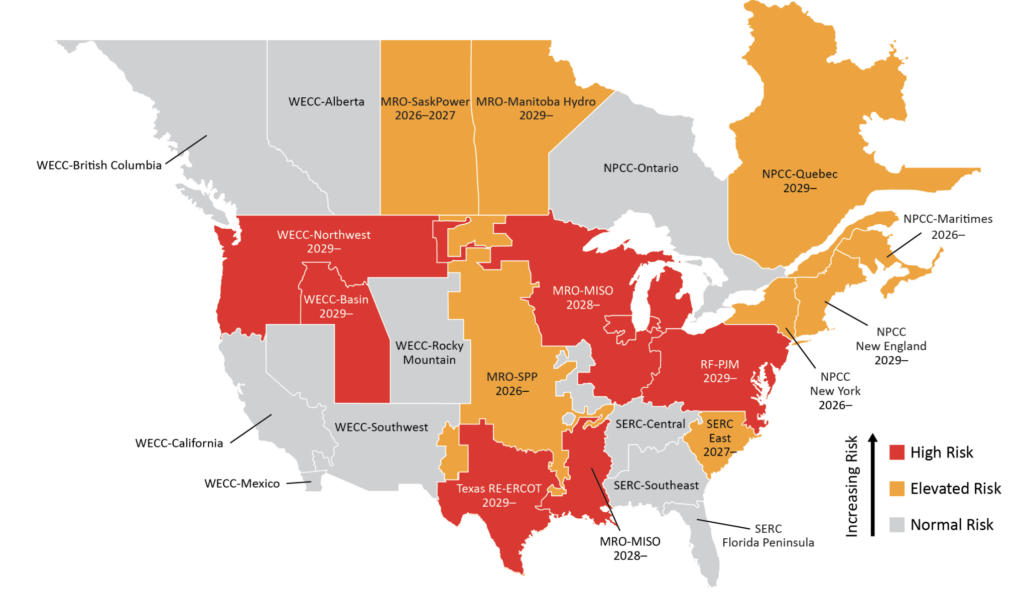
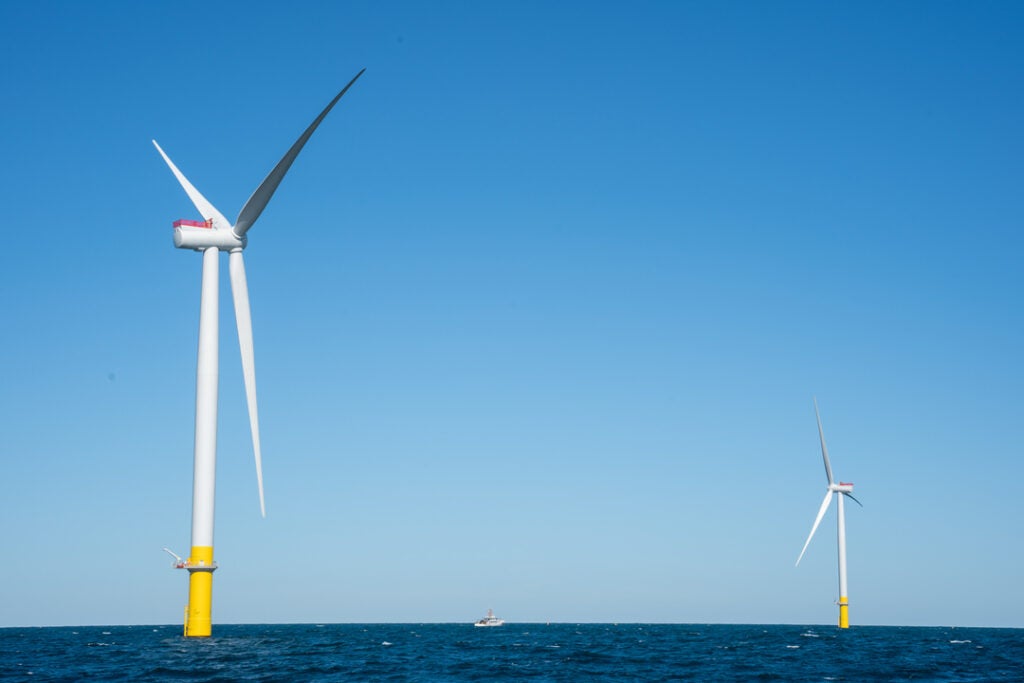
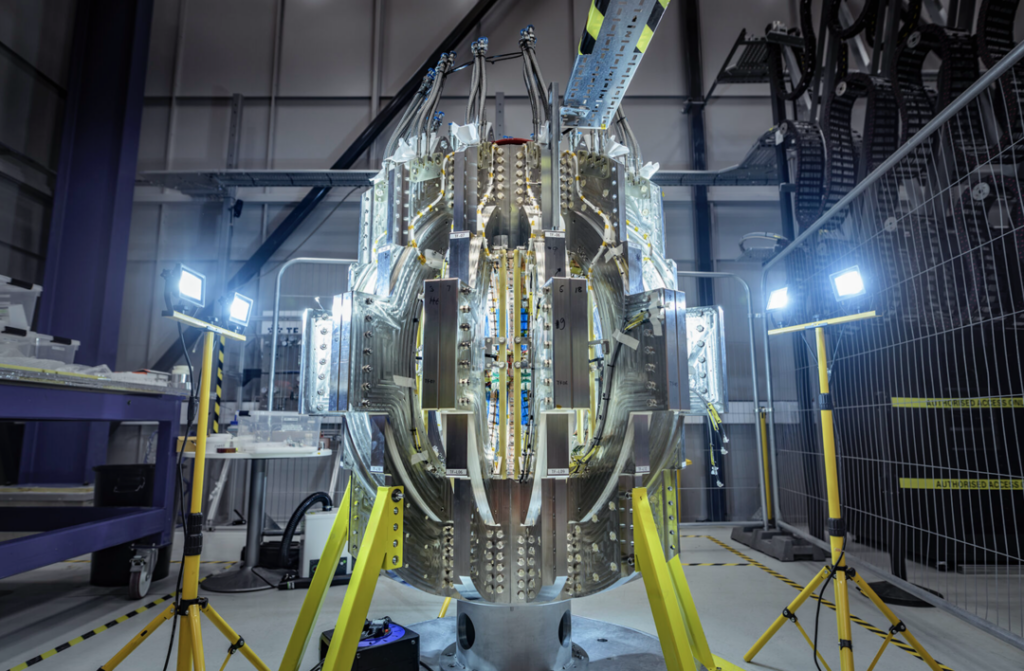
The explosion of AI applications (Figure 4) is creating unprecedented electricity demand that is fundamentally reshaping how utilities and storage developers approach project planning. According to a report issued by the U.S. Department of Energy (DOE) in July 2025, substantial load growth coupled with the retirement of firm power capacity could increase the risk of power outages by 100 times by 2030.
“Data centers require very high up times and, as such, they need both [storage and solar], and they need short-term and long-term reliability,” said Waranch of Spearmint Energy. “We’re seeing more and more RFPs [requests for proposals] from tech companies of all types, not just the big data companies.”
Baclig agreed that data center integration rules will become a major force shaping energy storage deployment. “FERC [the Federal Energy Regulatory Commission] and DOE are actively taking up this topic,” he told POWER. “PJM’s response to dwindling capacity reserve and rising capacity prices—driven in large part by data center demand—is a key region to watch,” he said.
The investment bank source interviewed by Troutman Pepper Locke noted that the data center industry’s willingness to pay premium prices strengthens the case for storage even amid tariff-driven cost increases. Notably, the argument for battery storage is not just decarbonization-focused but also based on grid reliability concerns. “It’s not unreasonable to expect that there would be some appetite to continue to support it [battery storage] even if there are price increases,” the investment bank source said.
Looking Ahead: The Storage Landscape in 2030
Industry executives and analysts are cautiously optimistic about the sector’s trajectory, even as significant challenges remain. The DOE projects that reaching future U.S. grid requirements will necessitate more than 225 GW of long-duration energy storage by 2050—far beyond what Inlyte and other industry observers say current lithium-ion technologies can economically deliver.
Baclig offered his prediction for the U.S. market: “8-hour duration battery storage will be standard for new projects and it will likely still be majority provided by LFP in 2030. However, long-duration energy storage, like iron-sodium battery storage, will constitute a growing share as the needs for infrequent winter peak responses of 24+ hours become clear in the evolving grid.”
In Europe, ENTSO-E emphasized that storage deployment must be targeted to system-relevant locations where flexibility delivers the highest value. “Storage assets will be an essential element of the generation mix in any decarbonised power system,” the organization concluded. To that end, it said conditions that allow private investors in these capital-intensive technologies to achieve a fair and predictable return should be established as a prerequisite for deployment.
The path forward involves navigating policy uncertainty, supply chain restructuring, and rapidly evolving technology options. But the fundamental drivers—falling costs, rising demand, and the essential role of flexibility in modern grids—suggest energy storage has moved from the periphery to the center of power system planning. The question is no longer whether storage will transform the grid, but how quickly that transformation will unfold.
—Aaron Larson is POWER’s executive editor.