
Officials from both Egypt and Lebanon have signed a memorandum of understanding (MoU) to deliver Egyptian natural gas to the Deir Ammar power plant in Lebanon.
The agreement, finalized December 29, comes after a recent visit to Lebanon by Egyptian Prime Minister Mostafa Madbouly. The MoU was signed Monday in Beirut, at Lebanon’s government headquarters, by Egyptian Minister of Petroleum and Mineral Resources Karim Badawi and Lebanese Minister of Energy and Water Joe Saddi, in the presence of Lebanese Prime Minister Nawaf Salam. Salam’s office in a statement said the MoU sought “to meet Lebanon’s needs for natural gas allocated for electricity generation.”
Officials said the deal supports Egypt’s position as a Middle East hub for trading natural gas. Egypt’s government has said the country wants a lead role in advancing energy security for Arab nations through increased production of natural gas, along with exports of the fuel. Saddi said the trade agreement will allow Lebanon to import natural gas from Egypt when volumes “become available.”
“Lebanon’s strategy is first to transition to the use of natural gas, and second, to diversify gas sources,” Saddi said. The energy minister said “the process will take time because pipelines need rehabilitation.” Lebanon in April of this year signed a $250-million agreement with the World Bank to modernize its electricity sector.
Egypt earlier in December received Israel’s approval for a deal in which Israel will export natural gas to Egypt from the Leviathan gas field. Israeli Prime Minister Benjamin Netanyahu called the $35-billion export agreement, which was signed in August, that country’s “largest ever” for natural gas. Netanyahu in a televised address said, “This deal with the American Chevron company, with Israeli partners, will supply gas to Egypt.”
The U.S. State Dept. for Near Eastern Affairs in a Dec. 18 social media post wrote, “Israel’s approval of the $35B Chevron natural gas agreement with Egypt marks a major win for American business and regional cooperation. This deal not only strengthens energy security, but also supports broader efforts to stabilize and rebuild Gaza.”
Power Plant Opened in 2002
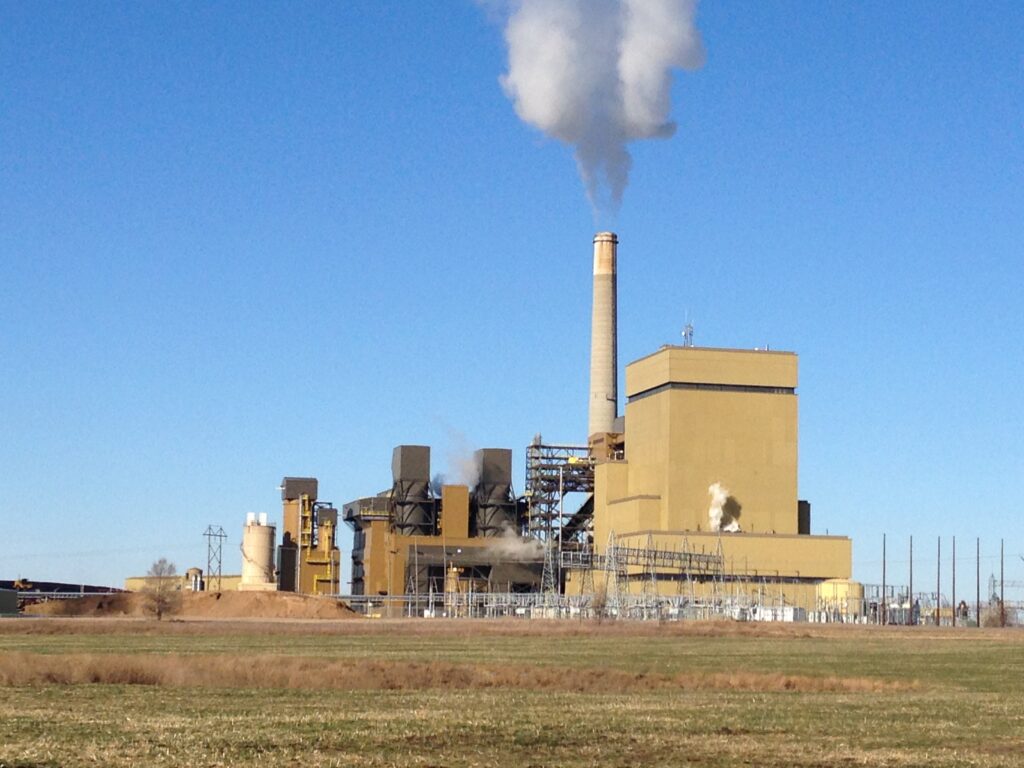
The Deir Ammar plant, a 465-MW station located on the Lebanese coast near Tripoli, came online in 2002. The country’s power plants, including Deir Ammar, primarily burn fuel oil. Lebanon also has about a dozen small hydroelectric facilities.
Lebanese President Joseph Aoun after the signing called the MoU a “practical and essential step” for the country to increase its power generation capacity. Badawi said cooperation on energy matters is a top priority for Lebanon and Egypt.” that will enable the country to increase its power output. He also conveyed his greetings to President Abdel Fattah al-Sisi, wishing Egypt continued progress in the new year.
Badawi emphasised that energy and gas cooperation is a top priority for both countries. He said Lebanese officials are confident they have Egypt’s full support when it comes to Lebanon’s natural gas industry, including increased generation from gas-fired power plants to serve both the residential and industrial sectors.
“Joint working groups have been formed between the petroleum and energy ministries of both countries to coordinate the transfer of Egyptian expertise in this sector,” Badawi said.
—Darrell Proctor is a senior editor for POWER.