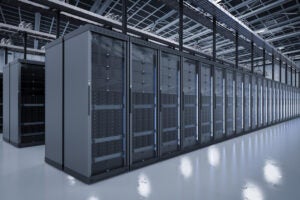
The unprecedented revolution in digital infrastructure, driven by the explosion in artificial intelligence (AI) services and cloud computing, is fueling an economic boom so large it drove 92% of U.S. gross domestic product (GDP) growth in the first half of 2025. However, this wave of technological innovation is hiding rising ratepayer burden and mounting reliability risks to the electric grid.
Data centers consumed 184 TWh in 2024; McKinsey projects this to increase by 230%, to 606 TWh by 2030. New upcoming hyperscale facilities with proposed loads of 100 MW to 200 MW are key drivers of this growth.
Government policies and private investments are increasingly prioritizing rapid permitting and interconnection, not recognizing the long-term risks and impacts of adding such large loads on our electrical grids in such a short timeframe. The burden of this unprecedented, geographically concentrated demand is being disproportionately allocated to consumers and utilities.
Rising Costs and Reliability Risks
Rapid load growth is already driving up consumer electricity costs. A Carnegie Mellon University study estimates that large-scale transmission and grid expansion investments to support data center growth could raise the average U.S. electricity bill by 8% by 2030. Rate increases in high-demand markets like northern Virginia could even exceed 25%. The Virginia State Corporation Commission is currently reviewing a new rate proposal from Dominion Energy, which would raise electricity rates by 15% over two years, driven primarily by increased generation and transmission investments to support data center load growth.
Grid reliability risks are also escalating. The North American Electric Reliability Corporation (NERC) warned that rapid addition of large, voltage-sensitive data center loads threatens grid stability. NERC cited a sudden 1,500 MW load loss in northern Virginia, which triggered voltage spikes and frequency imbalances, forcing grid operators to intervene. Utilities now face mounting costs and pressure to meet growing demand from these facilities with 24/7 operation, and zero-outage tolerance, faster than ever before.
To rectify this growing structural inequity, regulators must evolve from simply accommodating fast data center growth to promoting integrated, shared-value solutions that ensure mutual benefit for consumers, utilities, and developers. Waste heat recovery and grid-interactive assets are key solutions to democratize benefits from this rapid growth.

In This Issue
Full issueIntegrating Thermal Energy Networks for Decarbonization
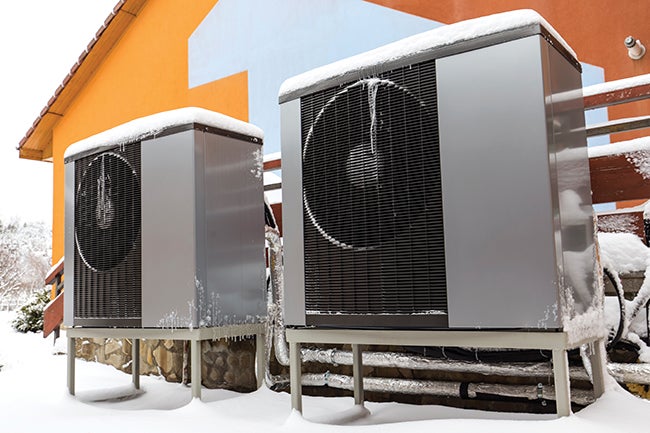
Data centers release nearly all the electricity they consume as low-grade heat, representing a significant untapped energy potential. When harnessed with heat pumps, this heat can be upgraded for use in district and industrial heating applications.
This concept is not theoretical. Successful, large-scale heat recovery systems are already implemented in Finland, Sweden, and Denmark. The 25-MW Nebius data center in Mäntsälä, Finland, recovers enough energy to heat the equivalent of 2,500 homes. In the U.S., where winters are milder, the potential is even greater—a single hyperscale facility could heat up to 20,000 homes. Successful domestic pilot projects include the National Laboratory of the Rockies’ campus in Golden, Colorado, and Amazon’s Seattle, Washington, headquarters.
This solution also addresses the massive upcoming challenge of heating electrification. With an increasing number of jurisdictions mandating all-electric heating, utilities face yet another surge in electrical consumption. Water-source heat pumps in thermal networks offer higher efficiencies, more stable performance, and reduced winter peak demands compared to air-source and ground-source heat pumps. Waste-heat integration can help accelerate decarbonization while simultaneously creating a new revenue stream for utilities.
Waste heat recovery must be integrated into planning for all upcoming data centers. The primary obstacle is not technical feasibility, but rather the conflict between rapid construction timelines and the lengthy planning required for utility-scale thermal networks. Large-scale implementation plans often face business-related barriers (such as the lack of well-defined business models), underscoring the need for regulatory intervention. Permitting bodies must utilize the power of their approval process to bridge this gap. Expedited permits and interconnections should require waste-heat recovery feasibility studies, installation of piping and heat-exchange infrastructure, and coordination with local utilities or industries needed for future thermal network integration. This mechanism leverages the developer’s need for speed to secure a lasting and valuable community asset.
Enabling Grid-Interactive Assets
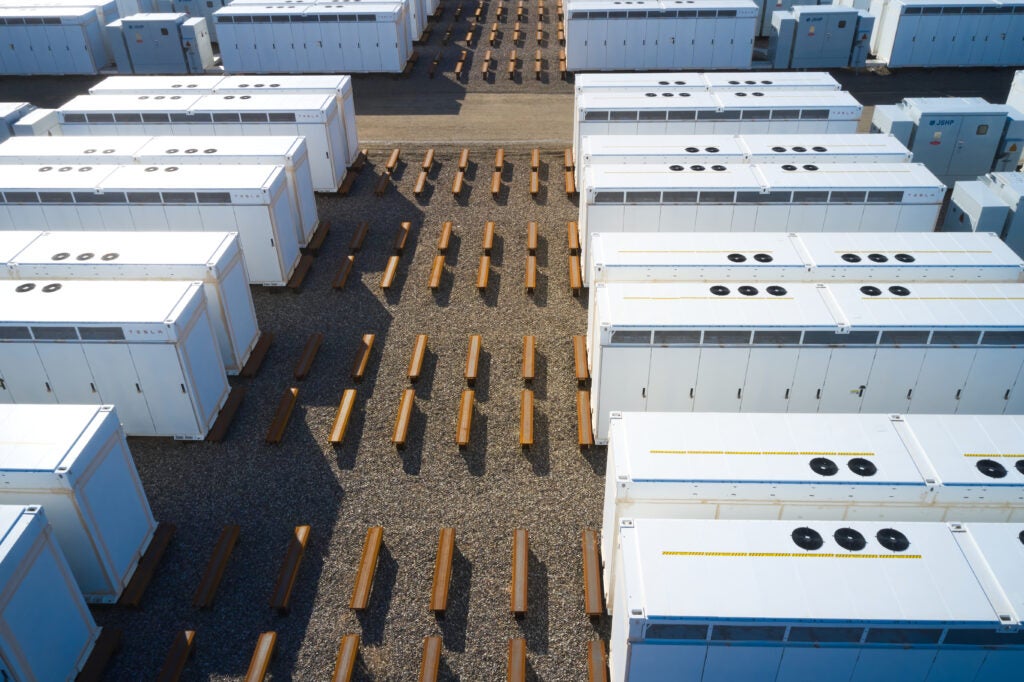
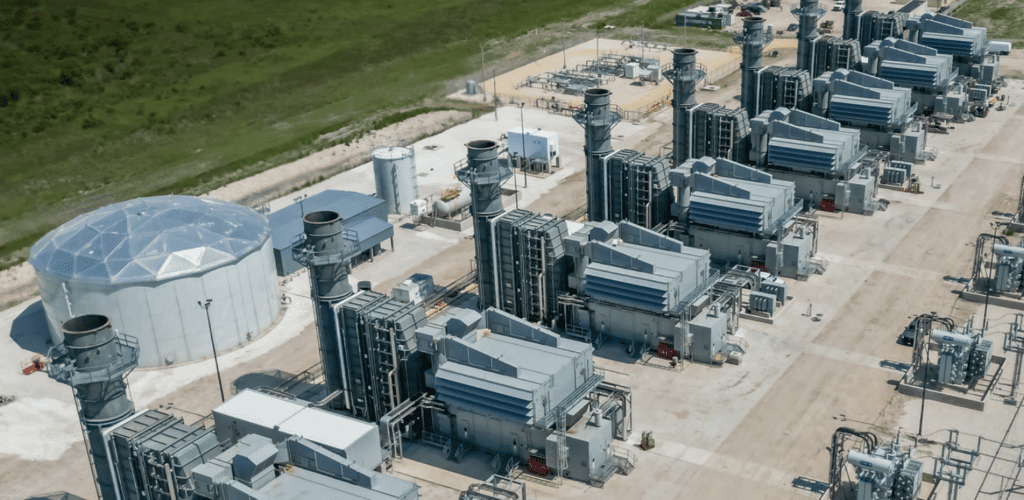
A reliable and uninterrupted power supply is essential for data center reliability. Data centers are increasingly being built with considerable onsite generation capacity and battery energy storage systems (BESS) to ensure 24/7 operation. While essential for backup and redundancy, these assets typically remain idle. With a proper incentive structure and mandatory participation requirements, these assets can be leveraged as dynamic grid resources to reduce operational stress on local utilities.
By participating in ancillary grid services like frequency regulation, spinning reserve, and strategic load smoothing, data center assets can support grid operations. NERC’s recent assessments confirm improved grid reliability in areas with high BESS concentrations. The successful implementation of such grid-interactive solutions in Ireland demonstrates how transmission system operators can utilize data center BESS assets for grid frequency stabilization and improved penetration of variable renewables.
The shift toward AI processing also creates new opportunities in load flexibility. Regulators must transition from voluntary participation to mandatory enrollment in demand response (DR) programs as a prerequisite for fast-track interconnections. According to the Rocky Mountain Institute (RMI), curtailing new data center load by just 0.5% annually could unlock nearly 100 GW of new load, without expanding existing generation capacity.
This incentivization allows local utilities to mitigate their capital costs and operational risks while allowing data centers to monetize backup assets.
A Path Forward
The data center boom is largely beneficial and inevitable. However, we must not allow short-term economic gains to create long-term inequity in our grid infrastructure. Thermal energy networks, grid-interactive storage, and load flexibility represent proven strategies to transform data centers into grid and community assets.
Regulators must adopt clear, mandatory requirements to incorporate these shared-value solutions linking rapid development with broader benefits. The growth and benefits of the digital economy must be harnessed to create a more stable, affordable, and decarbonized grid for everyone.
—Yash Hurkat is a Senior Energy Planner and Technologist at Jacobs.