Microgrids are bringing greater energy independence to rural and remote communities. ABB’s microgrids experts outline how today’s smart localized power generation and distribution systems lessen far-flung homes and businesses’ reliance on costly fossil fuels and fragile national grid infrastructures.
Protecting Remote Communities from Energy Insecurity
It’s easy for town and city dwellers to take the continuity of their electricity supply for granted. Extreme weather conditions, equipment failures, vandalism, or acute spikes in demand can all precipitate occasional power outages. By and large, however, citizens in most developed economies are confident that the lights will stay on with relatively few interruptions.
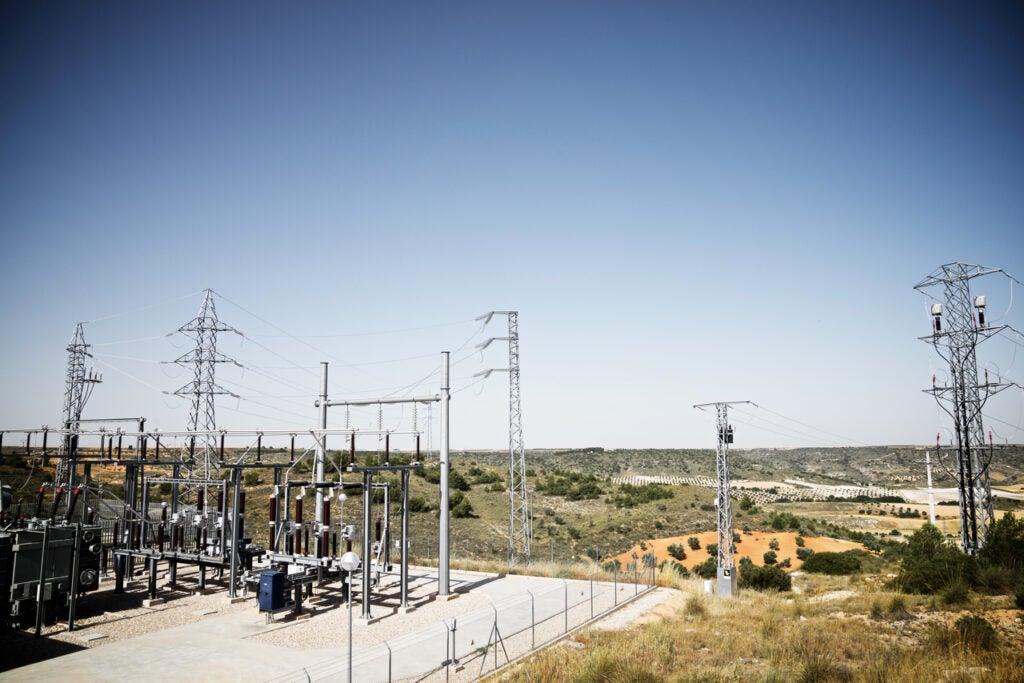
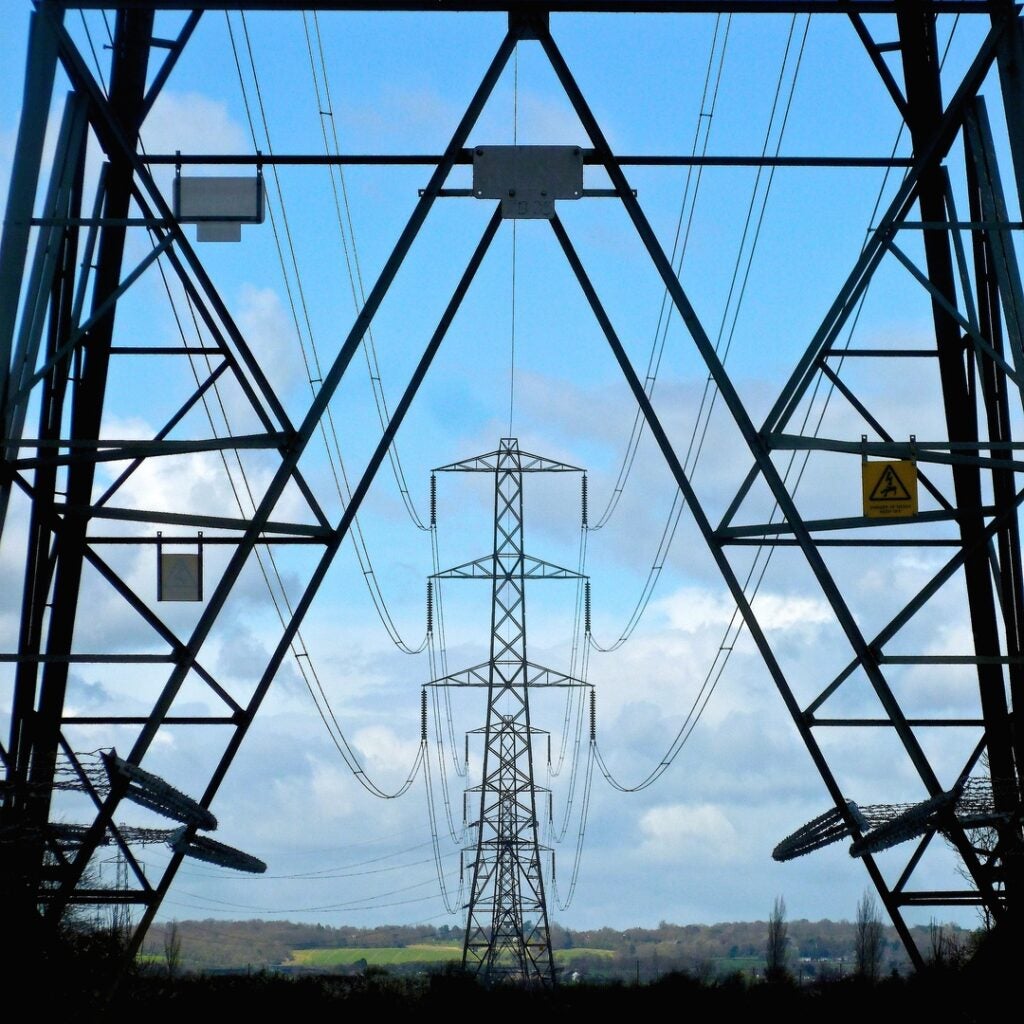
It can be a very different story for residents of rural and remote areas. Out of town homes, farms, and businesses have historically been dependent on connections to the main grid. But if overhead medium-voltage lines carrying power to an isolated village come down during a storm, that community’s suddenly without electricity for what can be hours—or days—until engineers attend site to sort out the problem. The situation is compounded by steadily ageing grid infrastructures in many countries, increasing the likelihood of unscheduled outages that can take communities off supply with unwelcome consequences.
There are several drivers for society’s progressive transition from a reliance on fossil fuels to clean sources of renewable power. And in the case of rural communities, a desire for long-term energy security intersects with imperatives to decarbonize, protect local economic interests, and insulate against unpredictable and steadily rising energy costs.
Clean, Reliable, Sustainable Localized Power Production
Today’s smart, cost-effective power generation and distribution technologies are giving rural and outlying communities the ability to satisfy their own energy needs, with reduced dependence on national electricity generation infrastructures.
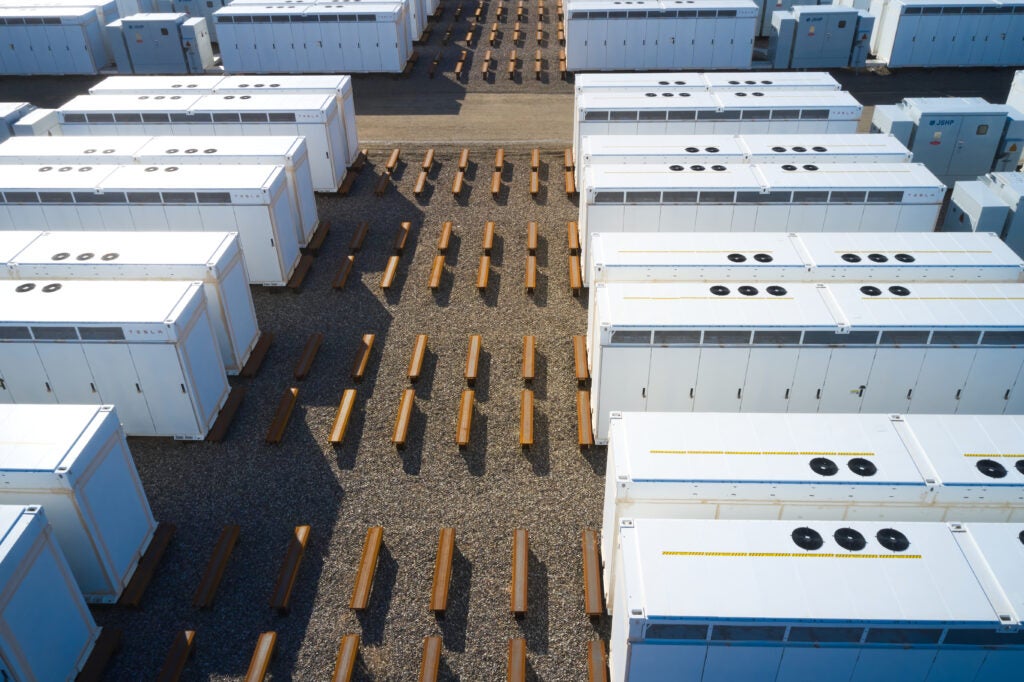
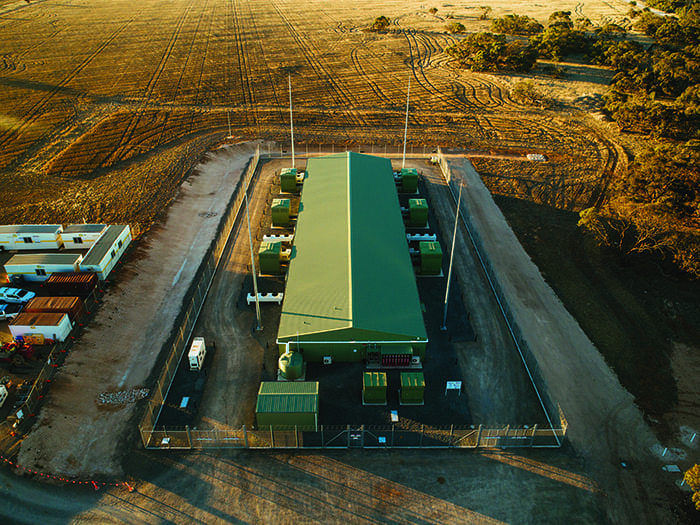
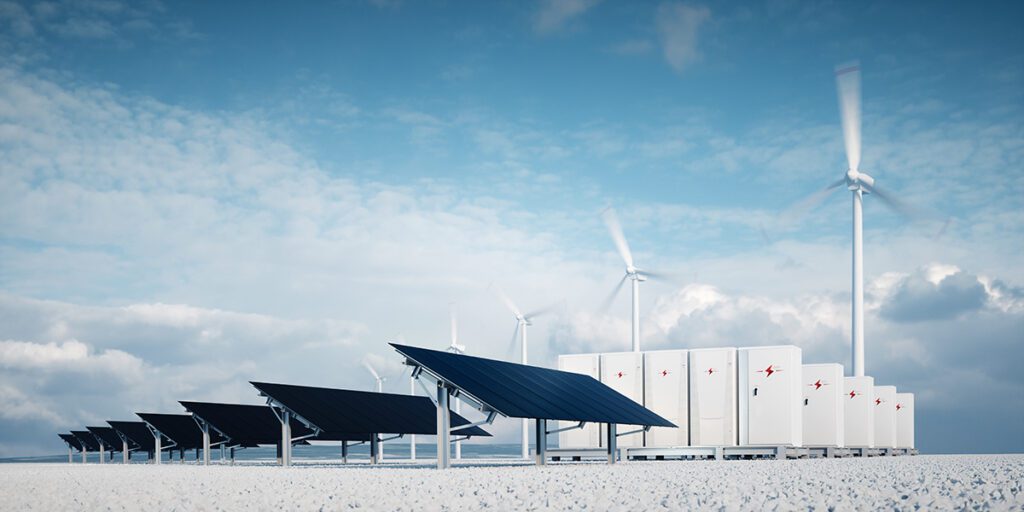
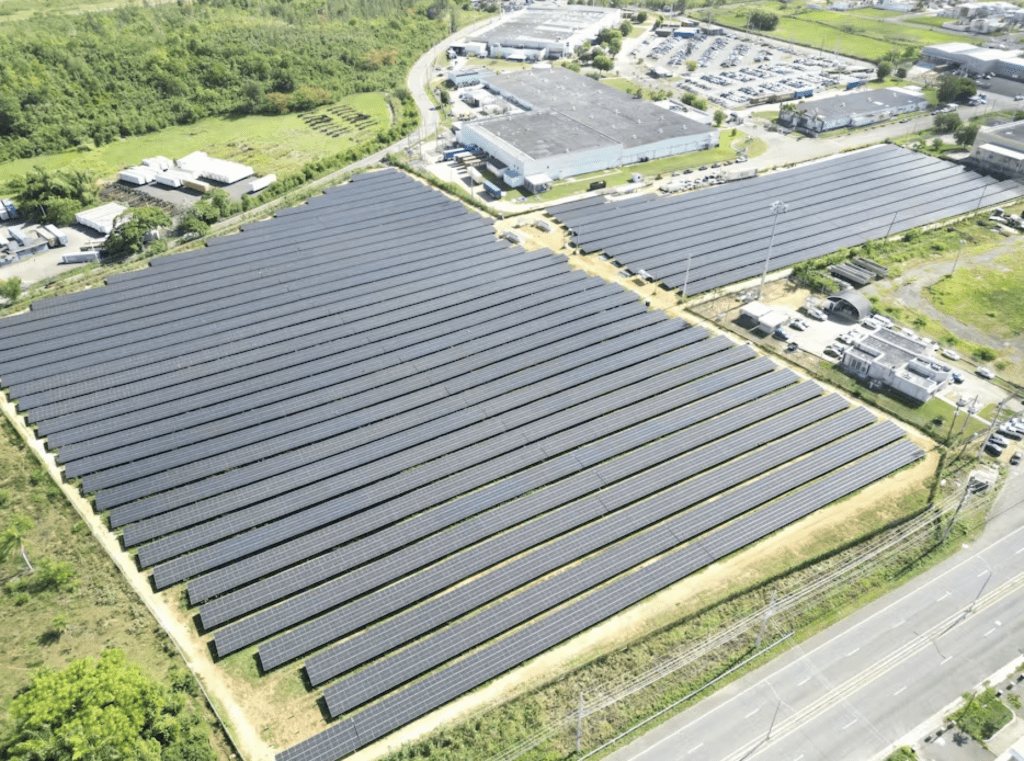
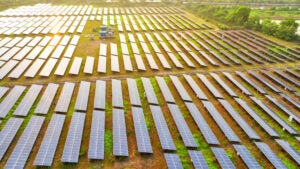
Solar (photovoltaic arrays) and wind offer cheap local sources of clean, renewable power. And to help balance generating capacity with fluctuating demand, rapidly maturing technologies like battery energy storage solutions (BESS) can soak up surplus production, ensuring power is still available on dull sunless days or when wind turbines aren’t turning.
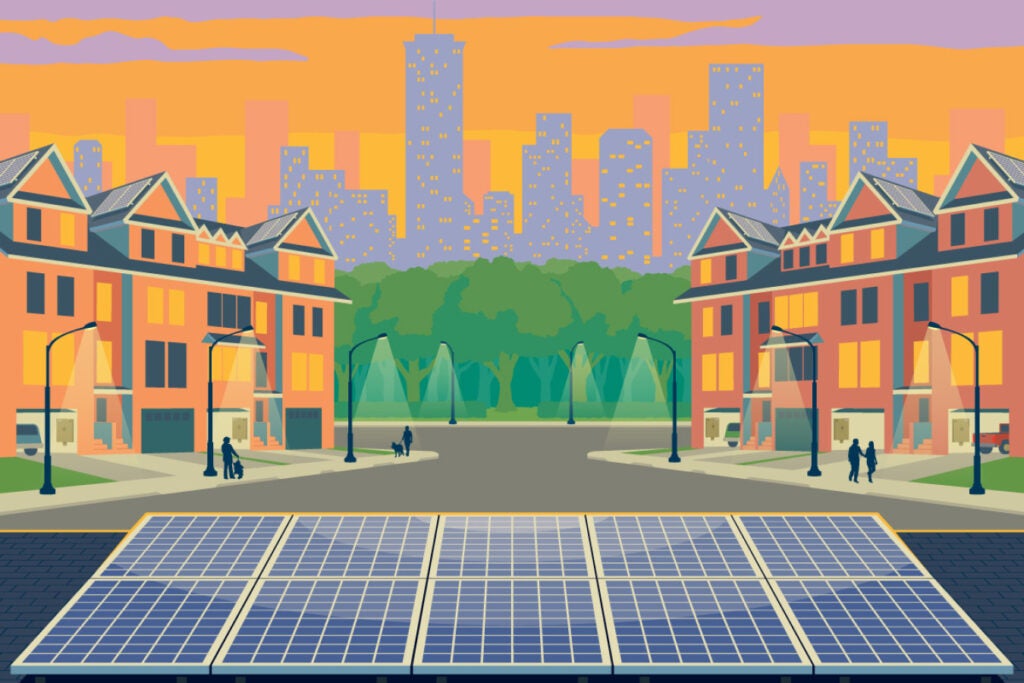
Microgrids integrate these diverse distributed energy resources (DERs) with increasingly smart solutions for power management and control. The result is effectively autonomous electrical ecosystems that enable rural communities to assert their own energy transition and independence. Clean locally generated electricity that’s surplus to requirements can be sold back to utility companies or the main grid provider, creating a valuable economic stimulus for local communities. What’s more, the construction, operation, and ongoing maintenance of microgrids can provide a further uplift for communities through local employment opportunities.
Grid-Connected or Islanded: Microgrids Under the Microscope
Microgrids describe essentially self-contained energy systems that provide power to a defined geographical area—such as a village, a cluster of farms, a business park, university campus, or hospital. While their primary role is to provide a reliable source of electricity for the locales they serve, microgrids can operate either totally autonomously, or in conjunction with the main regional or national grid system.
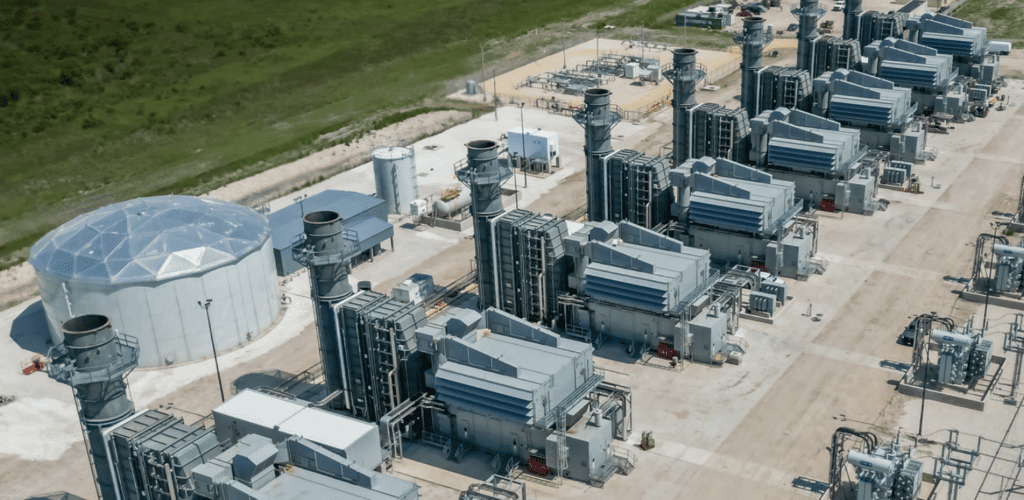
Grid-connected systems can draw power from the main network as needed, providing extra resilience for the communities they cover. In many cases, they can also return surplus power to utility companies on a commercial basis. Conversely, rural or inaccessible regions are frequently served by “islanded” microgrids. Without connectivity to the main distribution network, they are totally reliant on power that’s generated locally. Traditionally this has often been accomplished using sources such as diesel generators. Today, however, these are becoming progressively less popular with the rise of clean, cost-effective renewables like wind and solar.
Whether they’re grid connected or standalone, microgrids typically integrate some kind of energy storage system. Providing extra capacity to satisfy temporary spikes in demand, such as during extremely cold weather, they also offer a further degree of resilience in the event of temporary system faults or disconnection from the main grid.
Other elements common to microgrids are systems for power conversion, rectification, and control. Where microgrids are connected to the main utility, they ensure efficient energy exchange as well as smooth handover between grid-connected and isolated operating modes. These systems are complemented by other elements including relays and circuit breakers, as well as detection systems to reduce the danger of damage to systems under potential fault conditions.
The safe, resilient operation of modern microgrid solutions is also enhanced by increasing sophistication of data analytics and modelling techniques. Leveraging innovations in artificial intelligence and machine learning, predictive load forecasting can ensure that resources are allocated efficiently to ensure reliable operation of power generation, storage, and control systems.
Assuring Local Energy Security with a Powerful Partner
Microgrids play an increasingly important role in reinforcing the sustainable energy security of rural and remote communities. Integrating clean renewable sources like wind and solar power with intelligent control and energy storage systems, these localized networks offer welcome independence from primary grid infrastructures. Aside from providing homes and businesses with a dependable year-round source of cheap power, they can also deliver valuable economic, social, and environmental benefits for the communities they serve.
The successful design, deployment, and operation of rural microgrids is not without its own challenges. Upfront capital investments can be significant, particularly for isolated small communities that may lack the economic resources of larger groups. There may also be regulatory and commercial obstacles to negotiate when assimilating microgrids into wider regional or nationwide energy distribution infrastructures. Aside from initial funding, community stakeholders must also ensure provision to cover the costs of ongoing maintenance, support, repairs, and upgrades. This includes access to suitable engineering resources and project management skills.
A further critical consideration, naturally, is selecting the right blend of technologies for energy generation, storage, conversion, control, and local distribution. As well as offering operational resilience and reliability, solutions must provide sufficient capacity and scalability to satisfy current and future energy needs, considering factors such as increasing electric vehicle ownership. Microgrid operators must also ensure that all elements of their infrastructure—including connected devices, control, and system management software—are adequately protected against the rising tide of cybersecurity threats.
Successfully negotiating the challenges of deploying, operating, and maintaining microgrids is made easier with the help of an experienced technology partner. With decades of worldwide experience in designing, constructing, and supporting electrical storage and distribution infrastructures, ABB can work alongside communities, system integrators, and other technology providers to deliver the requisite blend of resources, in-depth knowledge, and practical know-how.
—Dick Kronman is Global Technology and Engineering Manager with ABB Electrification, Shah Indra is a Sales Manager with ABB Electrification, and Niko Railo is Head of Business Development, Strategy, and Portfolio for ABB’s Electrification Business, Smart Power Division.