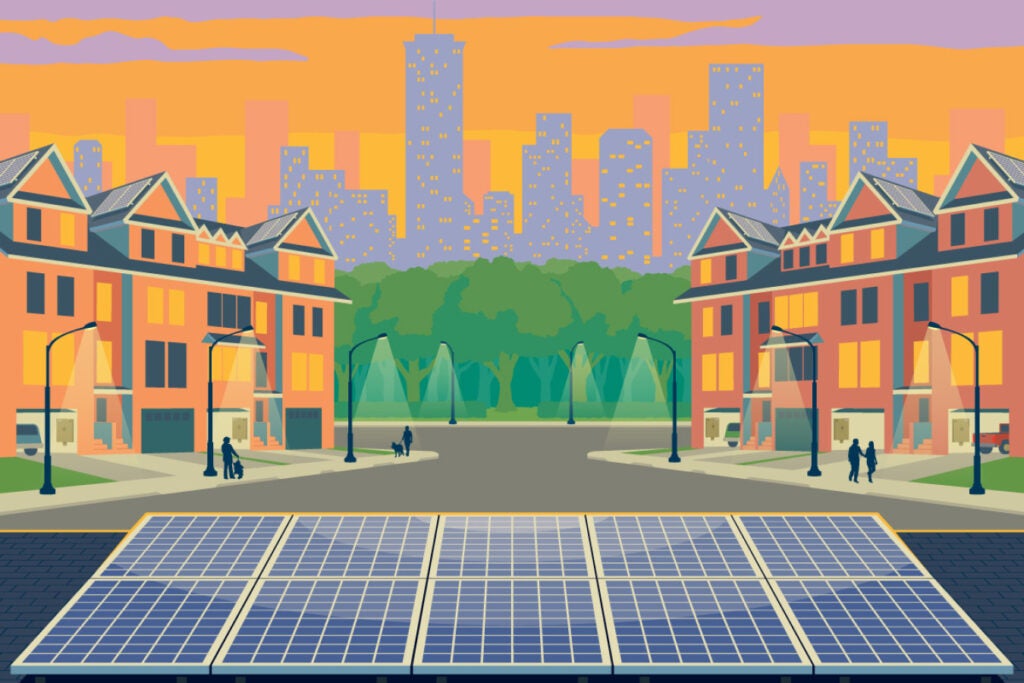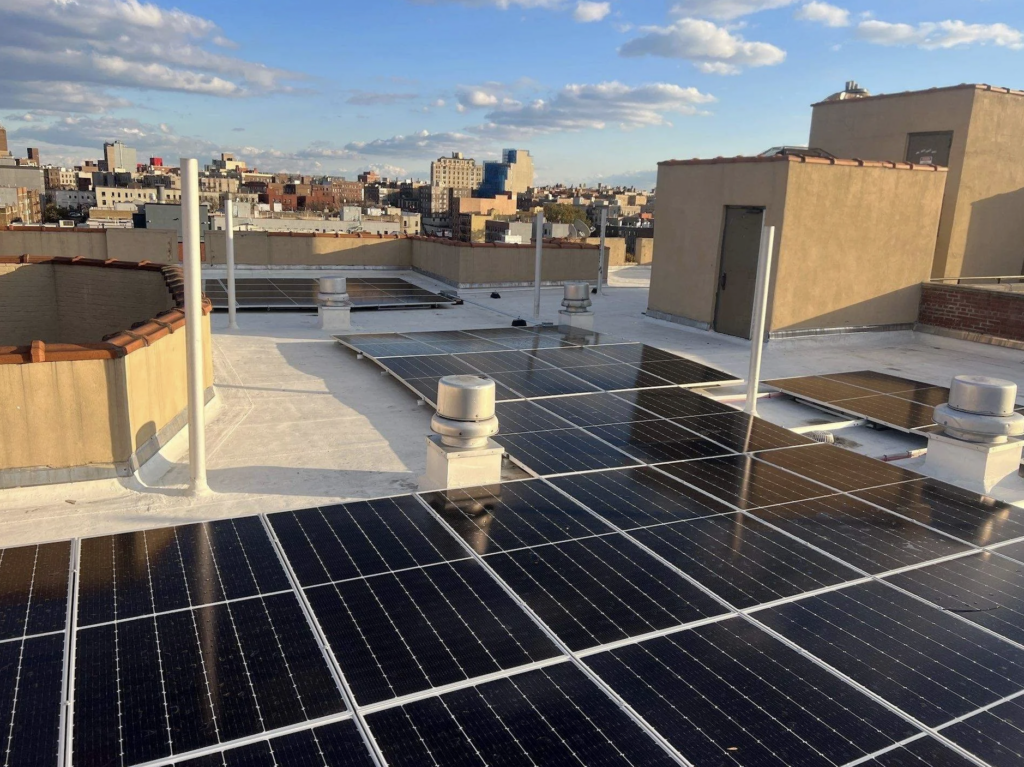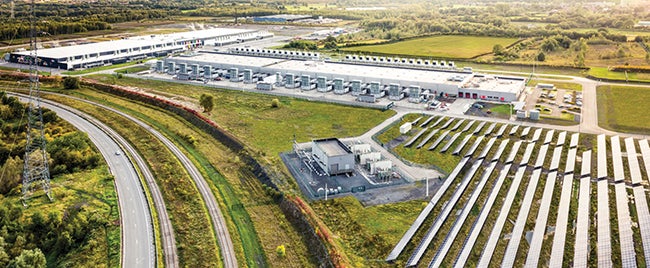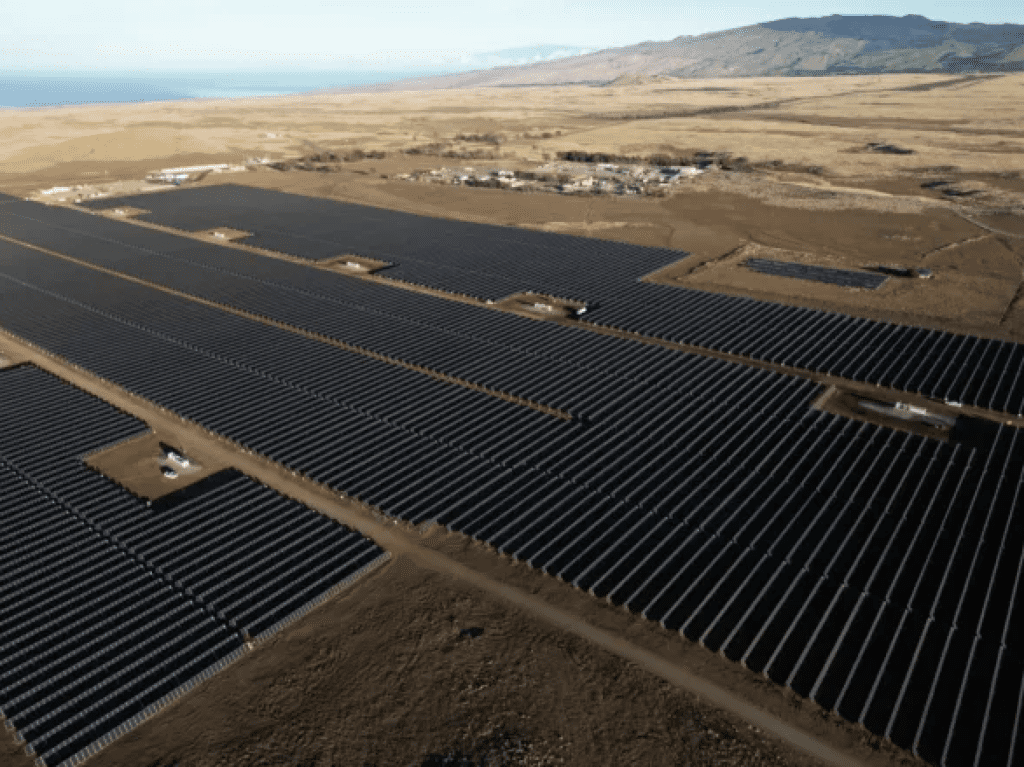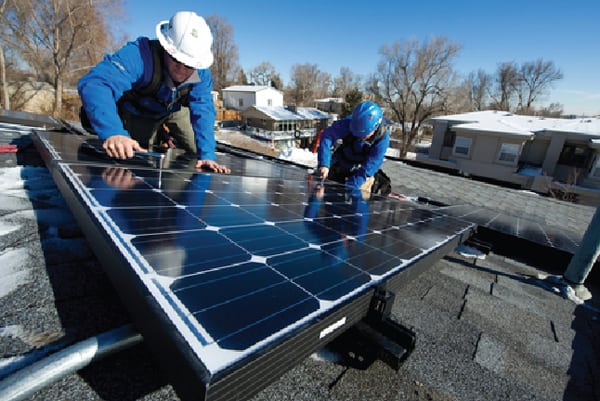
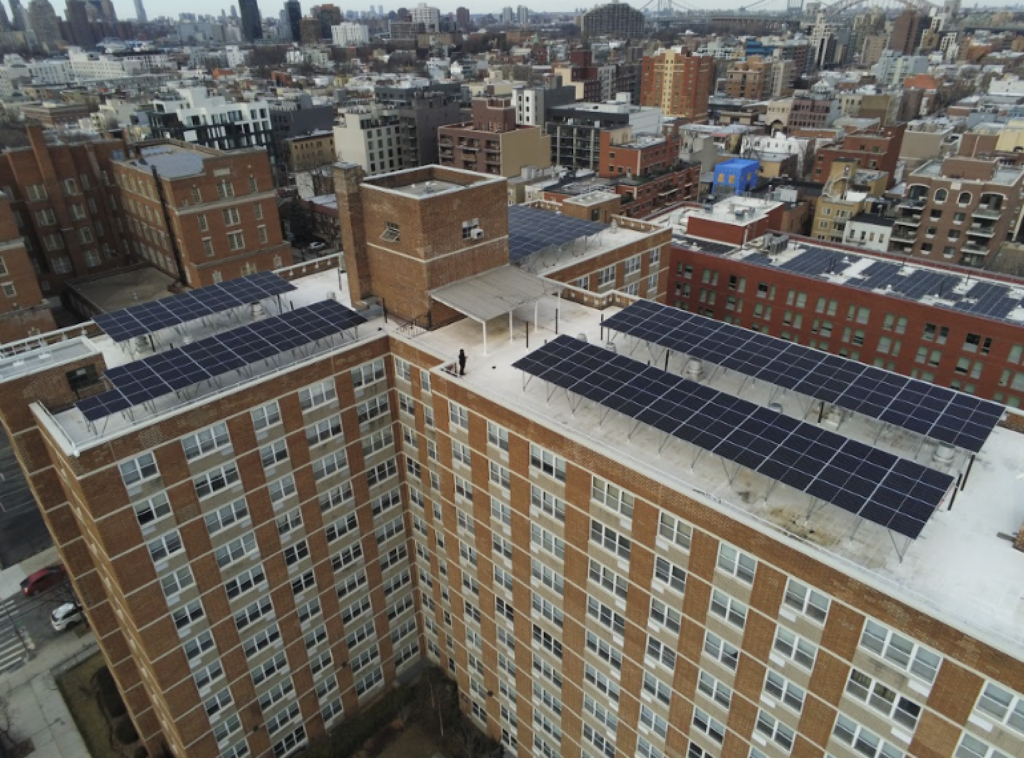
The Catholic Charities of Brooklyn and Queens decided to install 17 solar energy projects, totaling 1.3 MW, on its housing stock, which is 100% regulated affordable housing, with rents that are accessible to low-income households including seniors on fixed incomes. Acting as the owner’s representative, Crauderueff Solar guided the group through each stage of this development process, including design.
The primary design challenge centered around ensuring the photovoltaic (PV) systems optimized available incentives while addressing operational needs unique to affordable housing and vulnerable populations. This is within the larger context of the U.S. facing a massive housing shortage, estimated at a 4.7-million-home deficit according to the U.S. Chamber of Commerce. This is causing sharp increases in rents and home prices to many Americans, and low-income communities are disproportionally vulnerable to health and safety related impacts, such as air pollution and extreme weather events. This portfolio of solar energy systems illustrates the opportunity to simultaneously address energy, housing affordability, and public health challenges.
In addition to the above design consideration, this portfolio had three main technical challenges: Project management; Calculating return on investment of front-of-meter (FTM) vs. behind-the-meter (BTM) systems due to changing policy; and minimizing disturbances to tenants.
While the actual design layout for these projects was fairly straightforward, coordinating all of the roof warrantees, required roof upgrades, and contractors was a serious project management endeavor. As an example, one of the roofs required pitch pockets, necessitating additional design and coordination between the solar and roofing trades.
There was a question as to whether the systems would be designed as BTM net-metered systems to facilitate securing federal bonus tax credits and take full advantage of utility price escalation versus FTM community distributed generation with lower escalation and larger hurdles to secure bonus tax credits. In order to take advantage of the tax credits for non-profits, Catholic Charities decided to set up its own Special Purpose Entity (SPE), the Laudato Si Corporation (LSC), to own and operate the solar assets in the context of broader sustainability efforts. Under this business configuration, LSC’s solar projects create a virtuous cycle whereby the income from the solar projects will be re-invested to generate deeper energy savings across the housing portfolio, helping to preserve the housing as affordable for the long-term.
Ultimately, LSC decided to develop its portfolio as BTM systems, except for one project that is still under consideration as a FTM community solar application. This represented a shift from three pilot projects developed before the Inflation Reduction Act enabled the use of tax credits for non-profits, in which a lucrative community solar adder made the economics of FTM more appealing. In sum the 17 projects are designed to generate 1.5 GWh annually to offset an average of 45% of on-site electric load.
Lastly, when designing these systems, we needed to take into account that the buildings serve as senior housing and find the best ways to minimize any impact during construction. This required minimizing disruptions from PV component deliveries and coordinating electrical shutoffs to reduce impacts on residents.
—Rob Crauderueff is CEO of Crauderueff Solar.