
Latest
-
 Coal
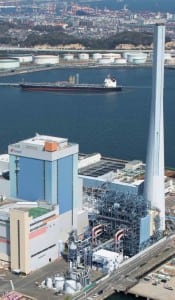
CoalTop Plant: Isogo Thermal Power Station Unit 2, Yokohama, Japan
Unit 2 at J-POWER’s Isogo Thermal Power Station entered commercial service in July 2009. The 600-MW ultrasupercritical unit joins an earlier, similar plant built in 2002. Together, these two new plants replaced 1960s-vintage coal-fired plants and doubled power generation from the small project site. In addition, the new unit improves the plant’s gross thermal efficiency to about 45% while reducing air emissions to those of a gas-fired combined-cycle plant.
-
 Coal
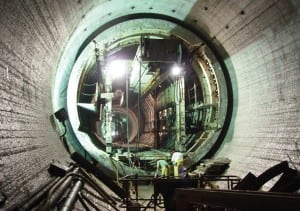
CoalTop Plant: Oak Creek Power Plant, Elm Road Units 1 and 2, Milwaukee and Racine Counties, Wisconsin
Adding two 615-MW supercritical pulverized coal units to the 1,135-MW Oak Creek Power Plant is part of We Energies’ ongoing master plan to “Power the Future” of Wisconsin well into the 21st century. The new Elm Road Unit 1 went into service in February, and Unit 2 is expected to start operations during the fourth quarter of 2010. With operations marked by high efficiency and low emissions, these new units will provide large amounts of cleaner energy to the Great Lakes area.
-
 Coal
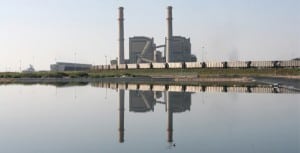
CoalTop Plant: Tolk Station, Earth, Texas
Located in a semi-arid region, this “Texas tough” coal-fired power plant uses a number of smart practices to increase water-use efficiency. For example, a pipeline was constructed to send blowdown water from nearby Plant X for treatment and recycling at the 1,080-MW Tolk Station, making both plants “zero-discharge” facilities. For its environmental stewardship and superior plant operations, the Powder River Coal Users’ Group named Tolk Station its 2010 Plant of the Year.
-
 Coal
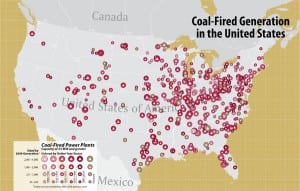
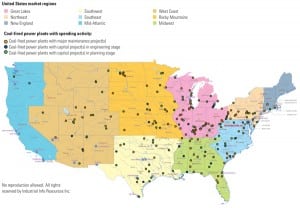
CoalMap of Coal-Fired Generation in the United States
Courtesy: Platts Data source: POWERmap All rights reserved. No reproduction allowed.
-
 O&M
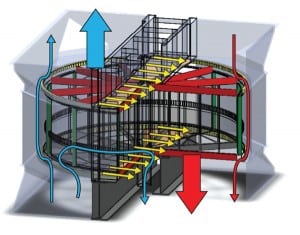
O&MAir Preheater Seal Upgrades Renew Plant Efficiency
The air preheater is a critical, yet often overlooked, component of the boiler combustion air system. Evaluating and optimizing a heater’s performance is difficult given how entwined it is with the entire combustion system and the lack of standardized calculation tools. Reducing leakage by using modern seal technology will improve combustion efficiency, maintain fan performance, and keep your downstream air quality control equipment operating within spec.
-
 O&M
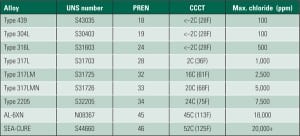
O&MTaming Condenser Tube Leaks, Part II
In Part I of this two-part report we examined the various chemical forces at work in condenser tube leaks, the steam plant components placed at risk, and the suite of instrumentation most capable of providing early warning of a leak. Assuming you were able to repair the leak and quickly resume operation, the next step is to identify the damage mechanisms that caused the problem so you can minimize future leaks.
-
 O&M
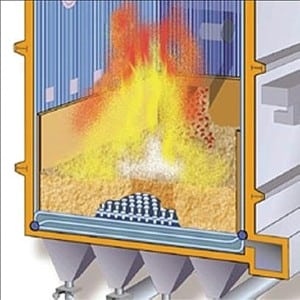
O&MFBC Control Strategies for Burning Biomass
As a boiler fuel, biomass has shown great promise while suffering from a slow development history. One factor limiting its use has been the combustion system. For the most part, conventional grate-fired boilers have been the only option. Today, the most efficient approach to burning biomass to produce electricity and steam is fluidized bed combustion (FBC). Whether you choose FBC or grate, biomass presents unique challenges to control system designers.
-
 News
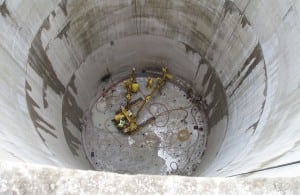
NewsDeep Excavation Support Systems Speed Plant Construction
As part of constructing the recently commissioned We Energies’ Oak Creek Power Plant Elm Road units, four remarkable below-ground structures were built. Each unique structure required creative designs and meticulous construction techniques to meet the project’s distinctive requirements.
-
 Coal
CoalU.S. Coal-Fired Power Development: Down but Not Out
Environmentalists renewed their attacks on coal-fired power development in 2010. At the same time, Congress dithered on cap-and-trade legislation while the Environmental Protection Agency marched forward rules to reduce carbon emissions from coal-fired power plants. Couple the regulatory uncertainty with lean economic times that have flatlined electricity demand growth plus low natural gas prices, and the result is predictable: New coal-fired plant construction is in the doldrums.
-
Commentary
The Nexus of Energy and Water
The age-old adage “water and electricity don’t mix” does not apply to 21st-century infrastructure planning. The two entities can no longer be viewed as separate commodities. The demands on both are intertwined, so solutions for meeting new and growing challenges associated with water scarcity and carbon regulations must also be integrated. Water is essential to […]