
After more than two decades of relative stasis, electricity demand in the U.S. is expected to increase by 25% by 2030 and by more than 75% by 2050, compared to 2023—a transformation largely driven by the surge in new data centers needed to power the artificial intelligence (AI) boom.
For utilities, the rapid growth presents unprecedented challenges, from staffing shortfalls and regulatory hurdles to grid limitations and technical problems. But it can also offer a major opportunity to expand infrastructure, earn returns on new capital investment and unlock long-term growth after decades of stagnation. Here’s how utilities can successfully navigate the moment and meet the energy demands of tomorrow.
The Data Center Load Growth Challenge Ahead
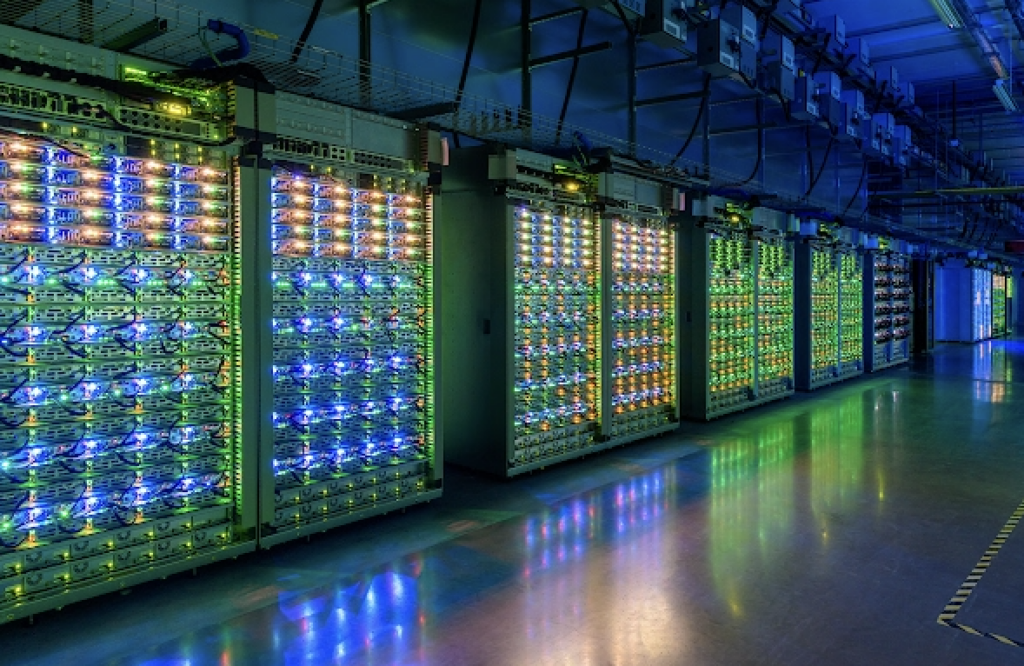
A single hyperscale data center can have power demands of more than 100 MW, according to the International Energy Agency, with annual consumption on par with up to 400,000 electric cars. That means a new data center going online is like a new town being created overnight.
This is Part 1 of a three-part series on the impact of artificial intelligence (AI) on electric utility operations. Read more of POWER’s continuing coverage of AI and its effect on the power generation sector here.
This demand will be spread unevenly across utilities’ systems, creating significant hurdles for organizations already forced to make major updates to the grid on tight timelines.
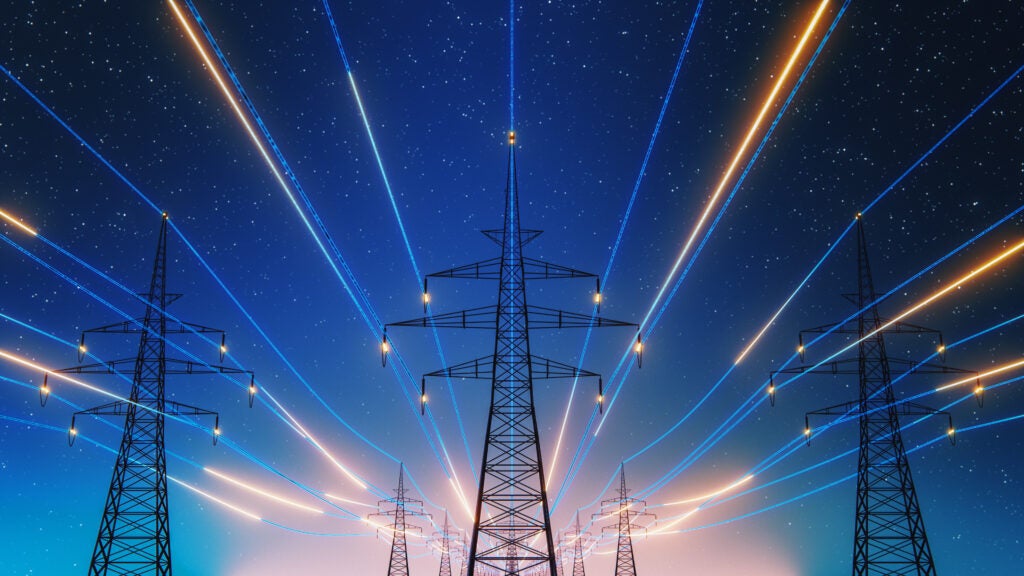
What’s more, utilities typically need to build a system around the data center, rather than simply adapting to what is there. Developing the infrastructure necessary to feed these centers therefore requires a total overhaul, such as system improvements to the conductor to increase capacity and replacing towers, or even constructing new transmission lines, instead of piecemeal adjustments.
If new generation plants are needed to meet these load demands, these can take years to build. Utilities may need to look for ways to improve efficiency and reduce demand on the system in the meantime through solutions like non-wire alternatives or other distributed energy resources.
Prepare for Staffing Shortfalls
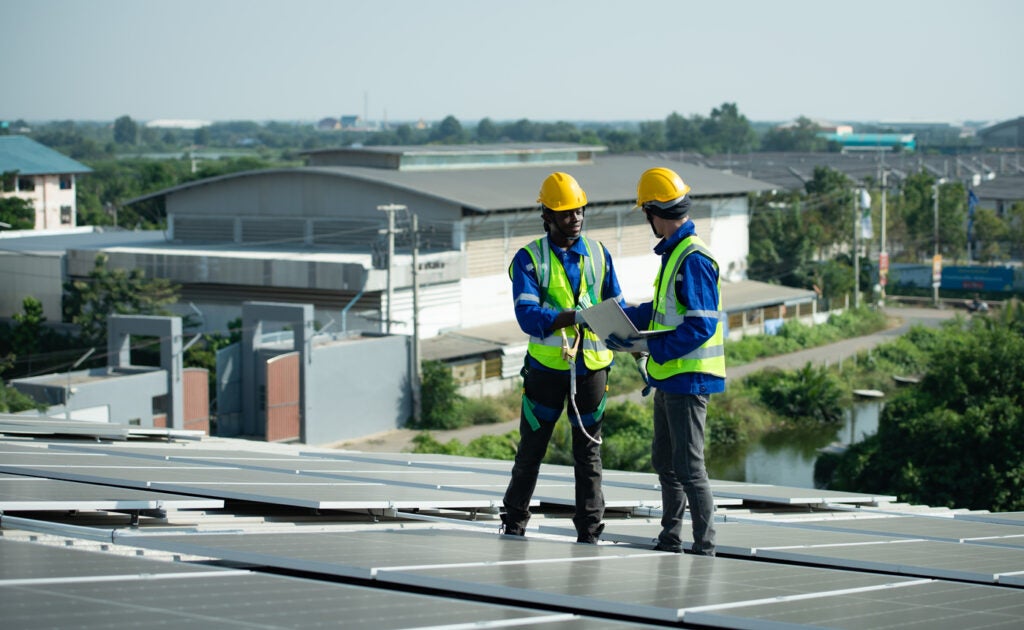
These buildouts require experienced engineers and resources, which not all utilities may have readily available. Talent shortages and expertise gaps will be a central obstacle in staffing these jobs. Most utilities have enough engineers on hand to design routine upgrades or the new systems planned over the course of the year, but few have the excess engineering workforce and infrastructure in place to prepare for new data center demand.
For instance, connecting data centers to the grid will require engineers to examine generation capacity to see if the system meets the energy requirements in the near term. Another group of engineers will need to assess transmission and distribution for system planning, including the size of the conductors, their length and throughput, and the physical path between the substation and the facility.
Utilities must take stock of whether they have the internal expertise on hand to manage a project of this size and with these unique parameters. If, for example, engineers are used to working on lower voltage, customer-dense distribution systems—when the data center project will require staff familiar with substation and power takeoff points—it may be time to bring in outside help by hiring companies that specialize in providing skilled workers for these projects.
Plan for Regulatory and Logistical Roadblocks
Before breaking ground, utilities must carefully evaluate whether their systems can support the massive demand of new data centers—and if not, how to bridge the gap. Key practical considerations include:
- Generation capacity: Can existing power plants meet the need, or will mothballed coal, gas, or even nuclear facilities need to be brought back online?
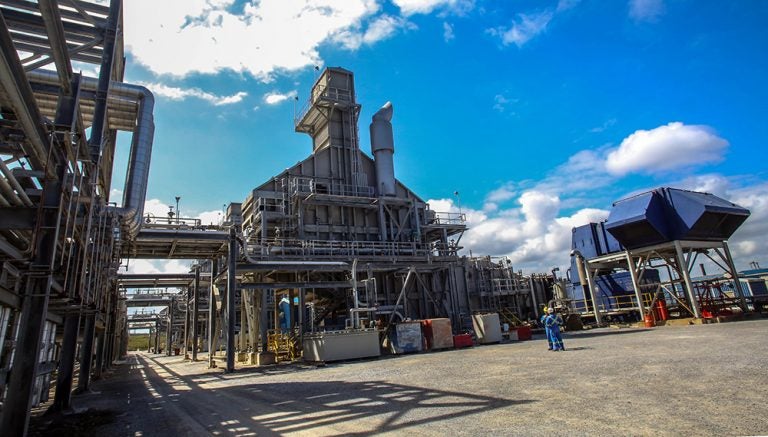
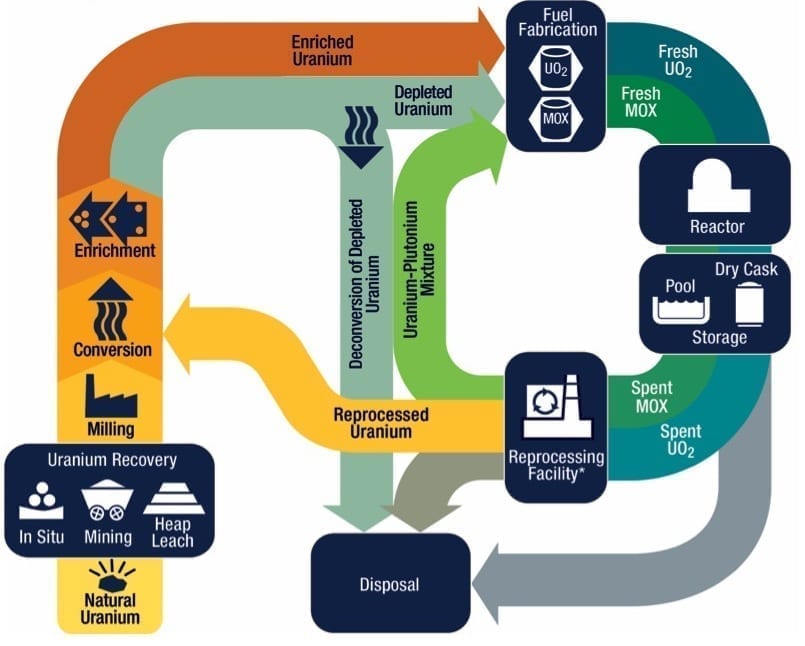
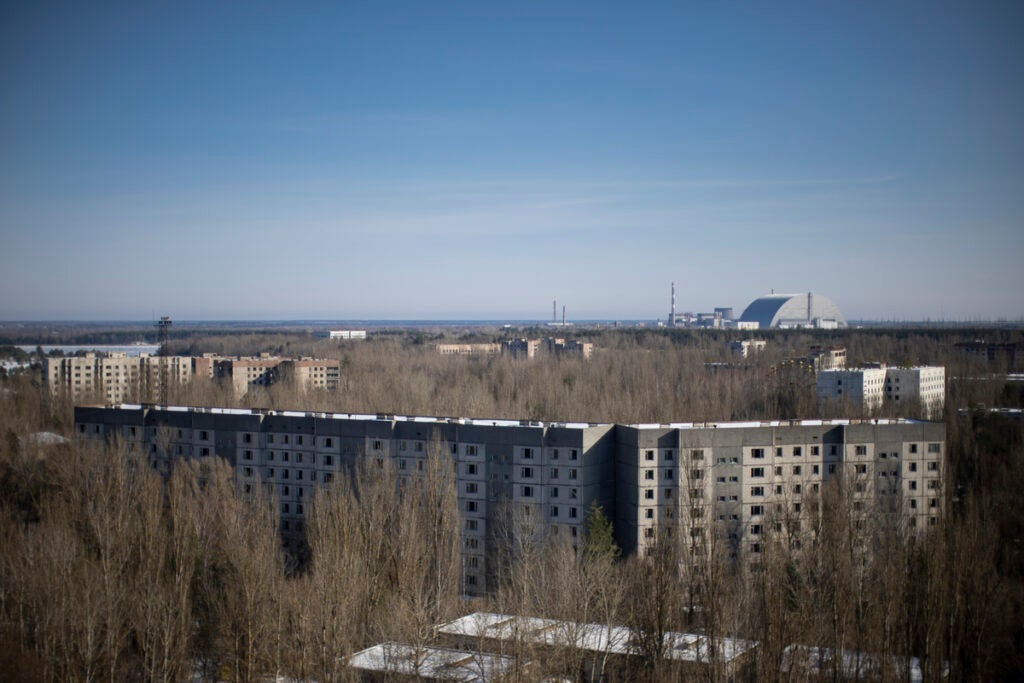
- Time to build: Constructing new generation from scratch can take years, making decommissioned facilities an attractive near-term option. This strategy is already underway in Pennsylvania, where a nuclear power plant is coming back online to help power data centers.
- Permitting and regulation: From right-of-way approvals to authorization for restarting decommissioned plants, navigating regulators is essential. However, the administration is changing these requirements to encourage AI advancements, potentially making the permitting process more streamlined at the federal level.
- Financial stakes: Projects often require investments in the millions or billions, with cost recovery stretched over decades. However, a number of different tax benefits related to data center generation could help reduce these expenditures. For example, Talen Energy announced a deal with Amazon this past June to supply 1,920 megawatts of carbon-free nuclear power through 2042. Talen already operates 2.2 gigawatts of nuclear capacity that receive the Section 45U tax credit, but if it builds more small modular reactors those could also qualify for clean energy tax credits.
Powering New Opportunities
The AI and data center wave will test utilities. Without adequate planning, the speed and scale of demand can lead to regulatory delays, workforce bottlenecks and cost pressures. But if managed well, this surge is also the most significant growth opportunity in a generation.
Utilities that plan early, draw on external expertise, and adapt creatively will emerge stronger, with expanded infrastructure and enhanced revenue. The AI revolution is underway—the question now is how quickly utilities can seize the opportunity.
—Andrew Bordine is Grid Automation Practice Head at Actalent.