When it comes to the latest technologies, utilities aren’t exactly early adopters—with good reason. Silicon Valley’s motto of “move fast and break things” can have disastrous consequences when applied to an industry tasked with keeping the lights on around the clock for millions of Americans.
At the same time, utilities are facing serious challenges that could benefit from sophisticated artificial intelligence (AI) tools. Faced with complex grid modernization projects and ballooning power demands, the industry is starting to recognize the promise of AI tools. An October 2025 survey of more than 160 utilities, oil and gas, and renewables executives found that 96% of these industry leaders said AI is a strategic focus for their companies.
This is Part 3 of a three-part series on the impact of artificial intelligence (AI) on electric utility operations. Part 2 is here, and the first installment is available here. For more information about AI and the electric power sector, check out POWER’s continuing coverage of AI and its effect on utilities and other power producers here.
Yet that same survey found that 42% are still in the exploratory or early stages of implementation. With so much at stake, leaders may be unsure how to safely and effectively implement AI without jeopardizing the grid. Thankfully, there are several ways utilities can unlock AI’s benefits while minimizing risks.
Model AI Use Cases for Utilities
AI for utilities isn’t all or nothing. Implementation is a spectrum that leaves lots of room between no AI and a fully autonomous grid. Utilities should experiment with use cases in between, like those that can help strengthen customer relations, streamline operations, or boost resilience.
Some utilities are already testing out applications such as:
- Infrastructure and equipment monitoring: Networks of cameras feeding images back to an AI model can help detect necessary repairs like a cracked utility pole or a bent switch arm before it interrupts service.
- System and data true-up: AI models can help align data with field observations and check manual data entry, helping utilities make decisions with the most accurate data available.
- Customer relations: During outages, utilities can use AI chatbots to interface with customers, providing real-time information about when service may be restored to their areas.
Best Practices for Utilities Integrating AI
Utilities looking to integrate AI into their systems should ensure they’re following these established best practices to boost the tools’ usefulness and minimize risks.
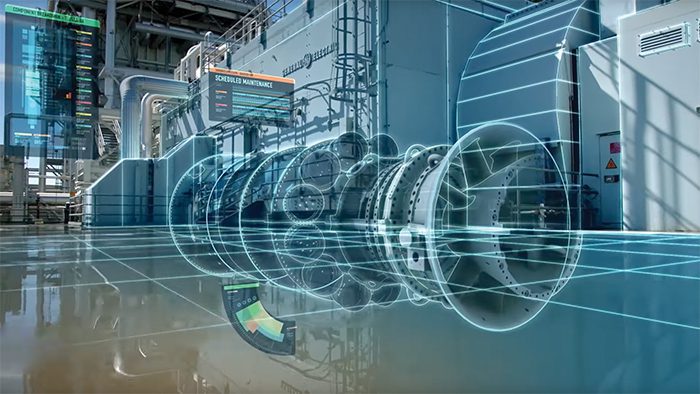
Start with a digital twin. To pilot AI applications, consider setting up a standalone model of the system that isn’t physically connected to the grid, also known as a digital twin.
In this contained model, it’s safe to experiment with new tools and applications, allowing for a better understanding of how a tool would work when integrated into the system—without putting critical functions at risk.
Build zero-trust architecture. Cybersecurity should always be the foundation of a utility’s technology implementation strategy, especially when new applications (like AI) and experimental use cases are involved.
That’s why utilities should use a security model that operates on a “zero trust” principle—that no user or device should be trusted by default—when integrating AI. Zero trust frameworks operate as if a system compromise is inevitable, meaning it segments information by task and verifies access requests in order to help contain the impact of a breach.
This also supports data privacy. By segmenting data—such as keeping customer billing information separate from real-time grid management data—utilities can minimize security risks and protect both operational integrity and customer trust.
Use AI as a tool, not a decisionmaker. Like humans, AI gets better with practice. The foundation of machine learning is using vast amounts of data points and conditions to recognize patterns and probabilities. As part of this “learning” process, humans should be offering feedback and assessing AI outputs for accuracy. Over time, this should make the tool more useful.
But even as AI outputs improve, it’s important for utilities to remember that these tools should not function as decisionmakers. They’re tools to help humans do their jobs more effectively and efficiently, but the risk of incorrect outcomes means that there should always be a human making the final call and verifying accuracy.
Focus on open collaboration with peers. When it comes to AI innovation, in-house expertise will be a challenge for many utilities. A 2025 Deloitte survey on AI infrastructure found that a shortage of skilled labor is a core challenge for 38% of power company executives.
Thankfully, the industry is coming together to develop solutions for some of the toughest challenges impacting utilities. For example, the Electric Power Research Institute (EPRI) has assembled an Open Power AI Consortium of industry leaders, researchers and technology providers; it could be a helpful resource for utilities looking to develop specific AI use cases, safety parameters and testing protocols.
The Exciting Future of Utility AI
Even though many AI use cases are still in their infancy, utilities can and should take steps to start implementing AI tools to drive value for their businesses. By harnessing AI to optimize grid performance, predict maintenance needs and personalize customer engagement, utilities can set the stage for a more sustainable and resilient future.
—Andrew Bordine is Grid Automation Practice Head at Actalent.