
Commentary
-
 Commentary
The Next Blackout Won’t Be Caused by a Storm—It Will Be Sparked by a Talent War
Imagine a city going dark, not from a hurricane or a cyberattack, but because there weren’t enough skilled workers to restore power after a routine failure. While utilities scramble to fill critical roles, hyperscale data centers are hiring the same talent at premium salaries. The grid’s biggest vulnerability isn’t hardware; it’s a talent war that utilities are losing.
-
 O&M
O&MUnderstanding Cable Rejuvenation: A Modern Approach to Grid Reliability
For more than 60 years, polyethylene (PE) and ethylene-propylene rubber (EPR) underground cables have powered communities, industries, and progress. The hope was these cables could last decades before needing to be replaced, but due to water treeing—microscopic moisture-induced formations that degrade insulation and threaten reliability, they’re aging more rapidly than expected. With traditional replacement being costly and labor-intensive, it was time for a new solution.
-
 Commentary
A Simple Way to Prevent Electricity from Becoming Less Affordable
Affordable electricity prices have become a top priority for consumers, policymakers, voters, and elected officials. Electricity prices for the residential, commercial, industrial, and transportation sectors averaged 6.7% higher in September 2025, compared to the same month one year ago. Residential prices alone increased by more than 7%, making it especially challenging for low- and middle-income […]
-
 Workforce
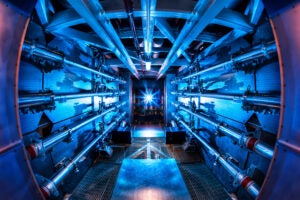
Building a Fusion-Ready Workforce: Why STEM and Trades Education Are Key to America’s Energy Future
Recent breakthroughs at U.S. fusion labs, along with new public-private partnerships, are bringing us closer than ever to realizing fusion energy’s limitless potential. However, the U.S. has a major gap to fill in fusion research and development (R&D), and workforce development.
-
 Commentary
Software: Batteries’ Unsung Hero
Global demand for power is increasing. In order to meet that demand, we need fast, dependable options. Battery energy storage systems (BESS) are the fastest path to new capacity, thanks to their agile deployment and ability to support flexible interconnections.
-
 Commentary
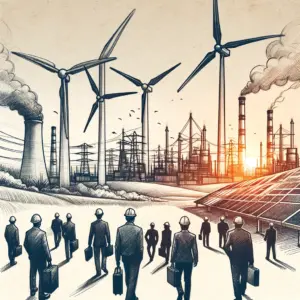
Grid Reliability Hinges on Workforce Stability
The grid faces unprecedented pressures as data center-driven demand skyrockets, with expected growth hitting 50% over the next 15 years. Meanwhile, utilities contend with record-high turnover rates and an aging workforce, half of which is expected to retire over the next decade. Without workforce stability, there can be no grid reliability. The sector is racing to modernize its infrastructure, but no amount of intelligent technology can replace human input.
-
 Commentary
Power Generation in the Age of AI: Year-End 2025 Outlook
In early 2020, the prevailing narrative in the power sector was a continuation story of the developments from the decade before: renewable buildout will keep compounding, thermal capacity will keep retiring (albeit at a slower rate), markets will evolve to compensate for flexible generation products, capital will keep moving earlier in the development value chain […]
-
 Commentary
Trump Media—TAE Merger: Fusion’s Public Market Leap
The fusion industry just achieved a major milestone—and this time, it’s not about science.
-
 Commentary
AI Is Draining the Grid—and the Power Solution Is Sitting Idle Right Next Door
Data centers are already among the world’s hungriest power users, and artificial intelligence (AI) is pushing their energy consumption to new heights. The International Energy Agency expects data centers’ electricity use to more than double by 2030, reaching roughly 1,000 TWh. That’s a growth rate four times faster than the overall grid. In some scenarios, AI-optimized facilities could […]
-
 Commentary
The Long Arc of Efficiency: What Refrigerators Teach Us About the Future of AI Data Centers
As AI demand accelerates, the race is on to bend the power curve before it bends the grid. The first electric refrigerators were mechanical curiosities—loud, bulky appliances that consumed staggering amounts of electricity. But they spread anyway, because the productivity gains were too great to ignore. Daily habits shifted. Food systems reshaped. Household labor changed […]
-
 Commentary
Powering the AI Revolution: Why the Energy Race Is the AI Race
The power of U.S. innovation and market incentives cannot be underestimated. The convergence of a business-driven energy transition and the explosive growth of artificial intelligence (AI) have exposed a critical bottleneck within our energy grid.
-
 Commentary
The Five Layers of AI Safeguarding the Utility Industry
By utilizing artificial intelligence (AI) and cloud computing, smart cybersecurity systems are helping to bolster the utility industry’s defenses. AI-powered cybersecurity is powerful because it enhances overall resilience to sophisticated cyber threats by providing real-time threat detection and response capabilities. And at a time when these threats are becoming more prolific and sophisticated, defenders need every advantage they can get.
-
 Solar
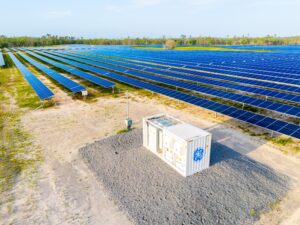
SolarRethinking Land Strategy in Utility-Scale Solar
Land strategy often determines whether a project moves forward or falls apart. While interconnection delays and equipment shortages get more attention, land presents a distinct and consistently underestimated source of friction in the development lifecycle.
-
 Electrification
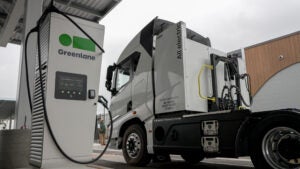
Getting the Grid and Charging Infrastructure Ready for Heavy-Duty Electric Trucks
The dawn of electric semitrucks and other medium- and heavy-duty commercial vehicles has arrived, and if the technology is going to be widely adopted, we have to come to grips with what this means for our electrical infrastructure.
-
 Legal & Regulatory
Delivering Nuclear Energy: Promise vs. Regulatory Reality
In the race to decarbonize and secure America’s energy future, nuclear power is once again in the spotlight. From advanced reactors to fusion breakthroughs, the promise of nuclear energy is clear.
-
 Commentary
Emerging Digital Technologies Leading to a Greener Future
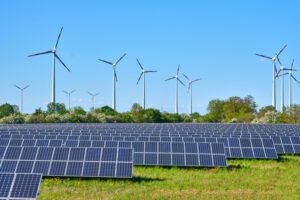
The energy industry continues to transition at a rapid pace. Across nearly every market, renewables are reliably and economically transitioning the grid from fossil fuels.
-
 Commentary
Why Smarter Interconnection Must Power the Next Phase of Solar Growth
The demand for distributed generation (DG) solar has never been higher, yet many projects are getting stuck before they even break ground. The problem is utility interconnection. For community or net metered solar systems in the 1 MW to 5 MW range, in particular, the utility’s review of whether the grid can handle new power […]
-
 Commentary
Safer by Design Beats Safer by Procedure
When I was a kid, I used to watch thunderstorms roll in from the porch, tracing lightning across the sky and marveling at how energy moved between clouds. We build infrastructures now that try to do the same thing—collect, store, and dispatch power on demand. But as energy storage scales (Figure 1), it’s not the […]
-
 Data Centers
Early-Stage Risk Mitigation—Essential Element for Data Center Financing
Lenders and investors are scrutinizing data center projects closely. Identifying and mitigating risks early helps attract investors and reduce financing costs. Clear documentation and realistic timelines are essential to securing financing. Land Control—The Foundation of Success: Land remains the cornerstone of any data center development. Verifying land control ensures the project’s legal and physical foundation […]
-
 Solar
SolarSolar’s Next Chapter: Beyond Incentives
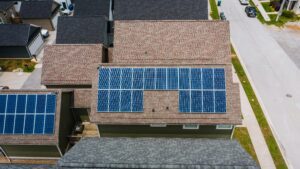
The U.S. residential solar industry has entered a new era. With the federal Investment Tax Credit (ITC) phasing out at the end of 2025, the market faces a moment of recalibration. This will likely mean a short-term decline, but it’s far from a death knell for the industry. After all, while incentives may fade, energy […]
-
 Commentary
Frugal AI’s Energy Reckoning: Why Efficiency Isn’t Enough
The story of artificial intelligence (AI) is often told in the language of speed and efficiency. Every quarter brings claims of models that run faster and cost less. Yet behind the glossy benchmarks lies a more sobering truth: the appetite for AI is growing so quickly that even the most impressive efficiency gains cannot keep […]
-
 Commentary
Uncertainty Gives Way to Urgency: Latest Treasury Guidance Signals the Time is Now to Get Solar Projects Underway
Ever since the One Big Beautiful Bill Act (OBBBA) first surfaced, it has been widely portrayed as an existential threat to the renewable energy transition. From boardrooms to project sites, developers braced for the worst—expecting a wave of regulatory shifts that could undermine years of progress in clean energy deployment. However, with the latest guidance from the Treasury Department released this August, uncertainty has been replaced by urgency—signaling that the time is now for decision-makers to get moving on their much-needed solar initiatives.
-
Commentary
Energy Sector Teaching AI How to Grow Up
When artificial intelligence (AI) manages a power grid, it cannot operate as a black box. A wrong decision will not just frustrate users, it will trigger a blackout. This critical nature of AI deployments in energy is forcing AI to mature faster in energy than in any other sector. When algorithmic decisions affect high-stakes systems […]
-
 T&D
T&DAI’s Growing Appetite: What the Grid Needs to Keep Up
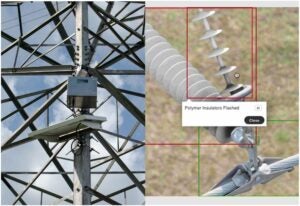
The rise of artificial intelligence (AI) isn’t just transforming industries; it is also transforming the energy grid. Behind every AI breakthrough lies a massive surge in computing power, and with it, an unprecedented demand for reliable and affordable electricity. As the U.S. positions itself for continued technological leadership, meeting the energy needs of AI data […]
-
 Commentary
California’s Backup Power Crossroads: Balancing Clean Energy Ambitions with Public Safety
California is on the verge of banning the sale of portable fossil fuel-powered generators, the most commonly used backup power solution for households and small businesses. The state’s move aligns with its ambitious climate strategy to cut carbon emissions and advance toward a clean energy future. However, the ban also exposes a difficult reality: millions […]
-
 Commentary
How Flexible Fleet Strategies Power Infrastructure Projects
As infrastructure projects accelerate across industries, the role of fleet operations has never been more critical. Organizations depend on vehicles that can adapt to evolving jobsite, supply chain, and regulatory demands. Yet in a market defined by volatility and OEM shortages, rigid fleet specifications and single-source loyalty are no longer sustainable strategies. Instead, the fleets […]
-
 Commentary
Bridging the AI Gap for Energy Utilities
The energy industry is in a bit of a technological whirlwind. Climate-related disruption and shifting adaptation requirements inject alarming levels of uncertainty into traditional business models, while a surge in amazing engineering breakthroughs and innovations simultaneously present irresistible opportunities for enhanced efficacy and resilience.
-
 Commentary
U.S. Energy M&A Trends: The Shift from Renewables to Fossil Fuels
The One Big Beautiful Bill Act (OBBBA) has redrawn the U.S. energy sector map. By scaling back clean energy tax credits and easing regulations on fossil fuels, the act has simultaneously cooled renewable investment and reignited traditional energy expansion. For dealmakers in the energy industry, this has created both headwinds and new openings, especially in […]
-
 Data Centers
The Evolution of Data Center Cooling: From Water to Emerging Technologies
Data centers are the backbone of the digital age, housing the servers and networking equipment that power everything from cloud computing to streaming services. As these facilities grow in size and complexity, so does the challenge of keeping them cool.
-
 Commentary
Energy: The Most Critical 7% of America’s GDP
The true engine of America’s economy might surprise you. It’s not tech. It’s not artificial intelligence, finance, or manufacturing. It’s energy. Energy accounts for just 7% of America’s gross domestic product (GDP), but, as former FERC Chair Mark Christie put it, “it’s the foundational 7% … everything else in our economy and lifestyle flows from it.”