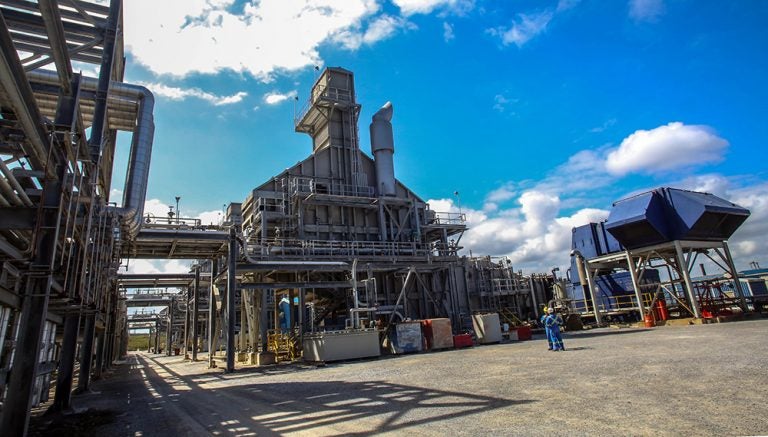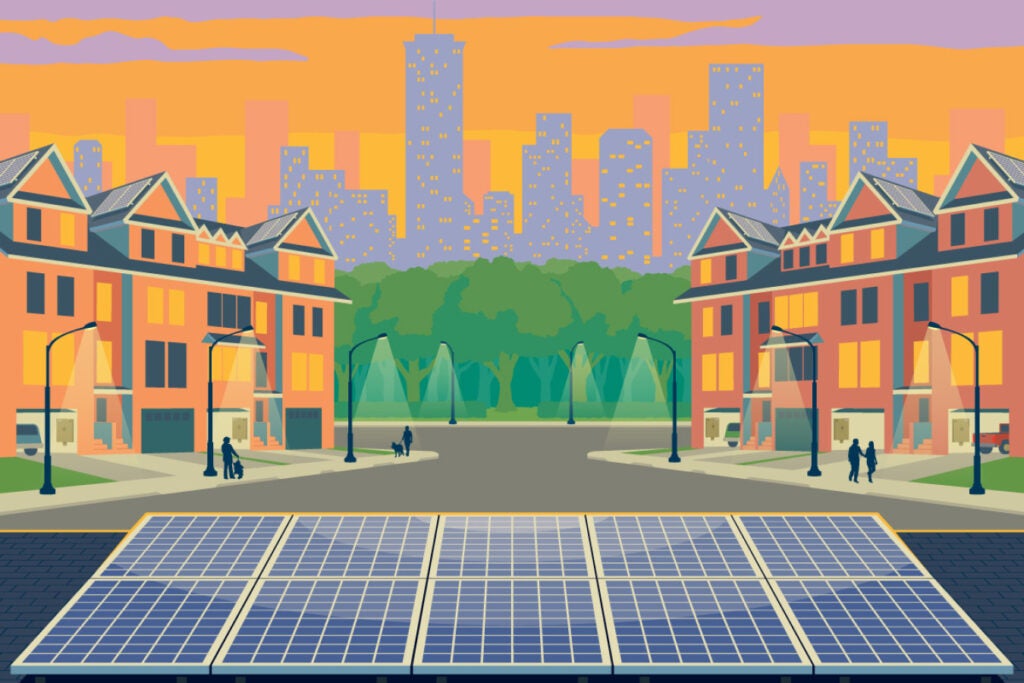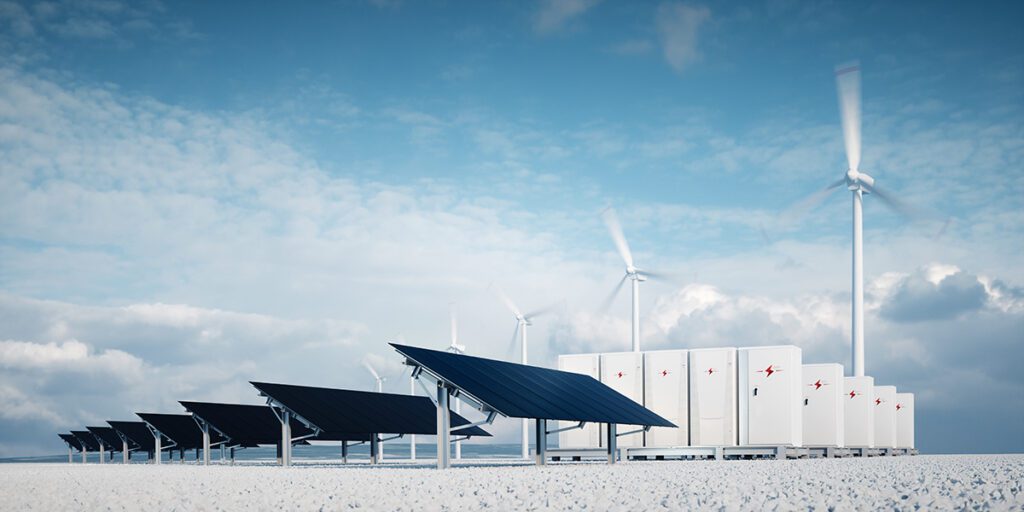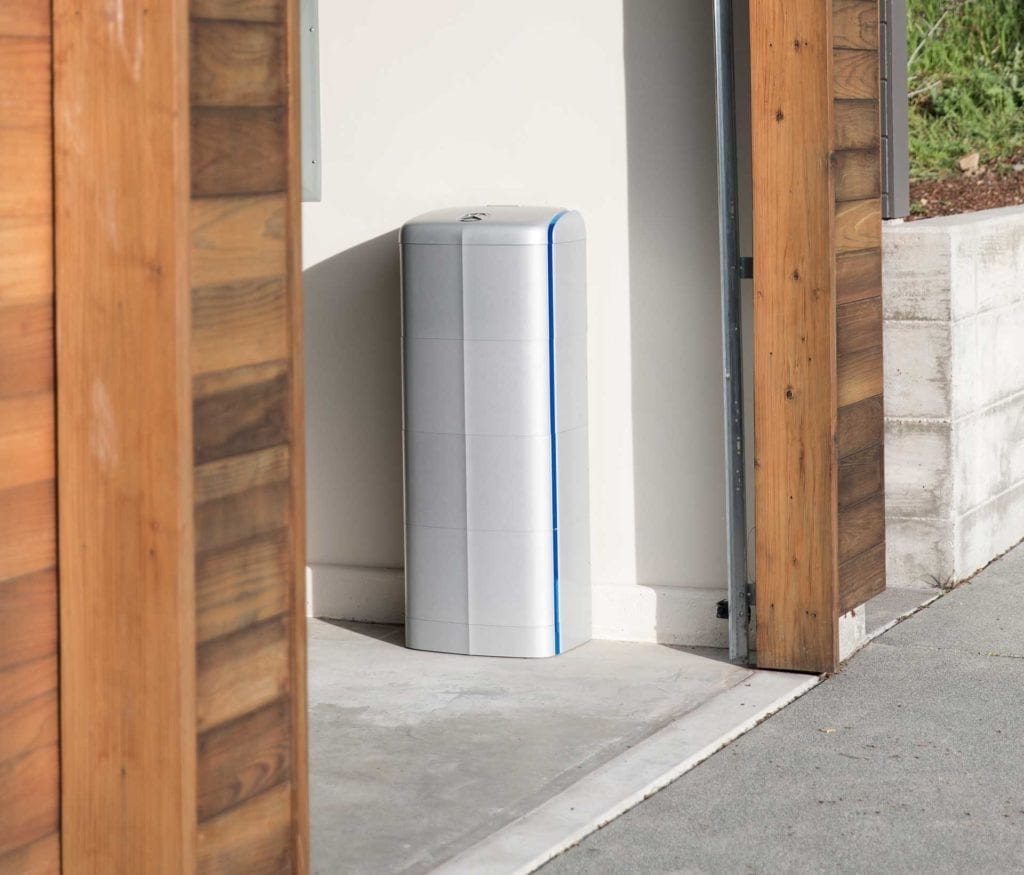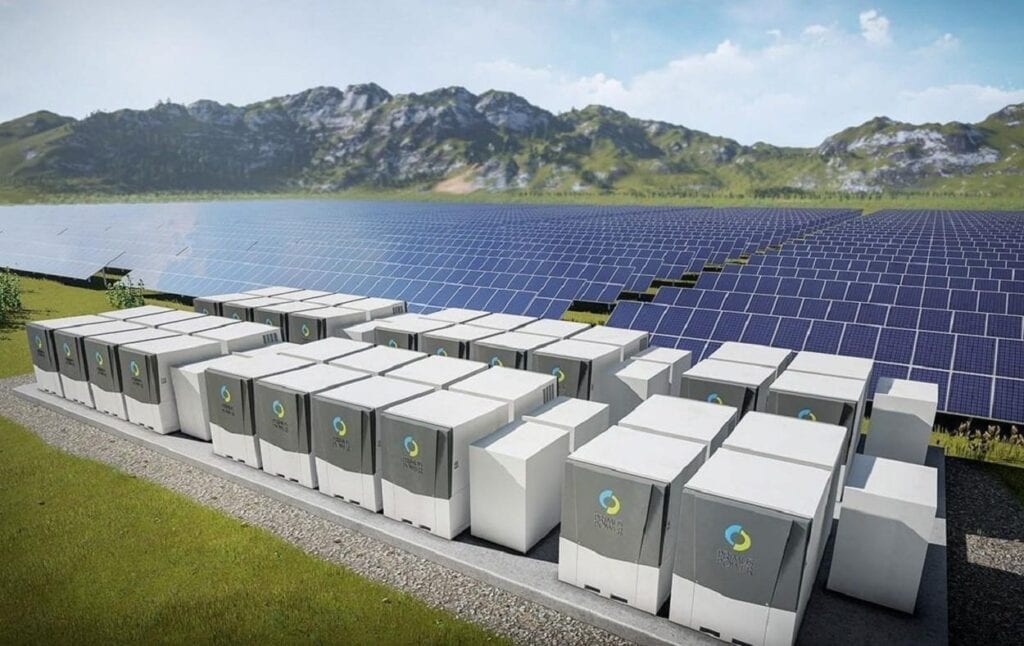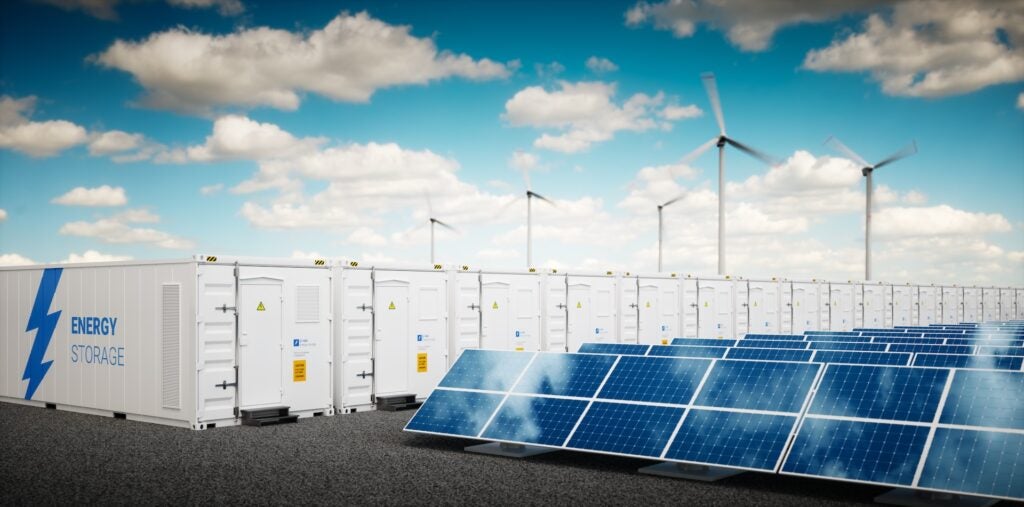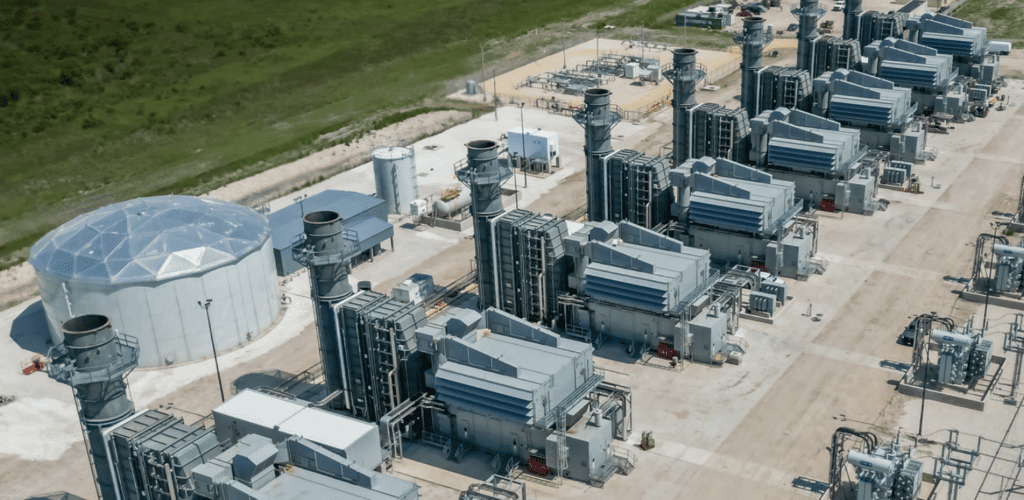
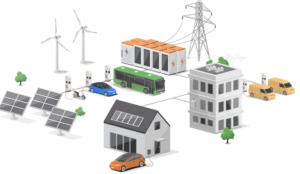
Distributed energy resources (DERs) can take many forms. They include renewable energy such as solar and wind power, energy storage through batteries or other technologies, backup power generators, or even combined heat and power systems.
Several energy industry experts recently spoke with POWER about how DERs are taking a larger role in power generation. Among them was Akshai Baskaran, VP and GM, Energy Management, for Gravity, a San Francisco, California-based company that helps enterprises and their supply chain partners manage their carbon footprint. The company addresses rising energy costs, grid instability, and decarbonization goals through its integrated carbon and energy management platform. The platform identifies prequalified, ROI-positive projects by analyzing a customer’s energy and emissions profile, then matches them with vetted implementation partners and relevant incentives or financing to overcome CapEx barriers.

Baskaran provided POWER with his take on the challenges and opportunities for distributed energy resources in the current regulatory landscape.
POWER: What policies and regulations affect DERs?
Baskaran: At the federal level, the passage of the One Big Beautiful Bill Act (OBBBA) has shifted the policy landscape for DERs. The commercial solar industry is losing access to the Section 48E and 45Y tax credits by the end of 2027, worsening the economics for new solar projects across the country. This change is expected to reduce overall solar deployments by 4% from 2025-2030. However, the impact of rising energy costs may make the economics of solar and other DER related infrastructure such as battery energy storage systems more favorable in the coming years, especially as DER technology costs continue to decrease.
At the state and local level, net-metering policies determine how DER owners are compensated for energy exported or services provided, and interconnection standards and timelines define how easily and quickly DERs can connect to the distribution grid.
POWER: What are some of the challenges related to integrating DERs into the grid?
Baskaran: Capacity constraints—Local transformers and substations are already overwhelmed by current generation sources and might not have the capacity to absorb additional DER generation. Virtual power plants (VPPs) are thus increasingly attractive and commonly discussed.
Intermittency and variability—Solar and wind generation can fluctuate with time of day and weather, making them unpredictable at certain times of the year. This also increases the need for other flexible resources in the grid, such as batteries and demand response.
Lack of visibility—Utilities often don’t have real-time insight into customer-owned DERs which can make forecasting more difficult.
POWER: What is the current and future market for residential rooftop solar? What about rooftop solar for commercial and industrial facilities?
Baskaran: Several factors are making historical economics of residential solar less attractive but Gravity expects long-term economics to be more promising given rising energy costs and thus rising savings from the grid for installing DER generation.
Residential rooftop solar installations shrank modestly in 2025 (1,064 MW in Q2 2025, down 9% versus the same period in 2024). High interest rates, tariff uncertainty, and the ending of the Section 25D residential tax credit all likely contributed to worse residential solar economics and slower installations. In H2 2025 Gravity expects some rebound in installations as some residential customers look to take advantage of the expiring tax credits. Longer term, Gravity expects residential solar growth to rebound from 2027 onward driven by higher forecasted electricity prices.
The commercial and industrial solar market is expected to remain strong through 2027. Several Gravity customers are pursuing solar and storage projects to mitigate rising electricity prices, address rate tariff issues, and take advantage of tax credits before expiration.
POWER: Many energy industry analysts say we’re just scratching the surface of the potential for battery energy storage systems. Is energy storage a sector where we will see increased investment and deployment in the near term? What about a decade from now?
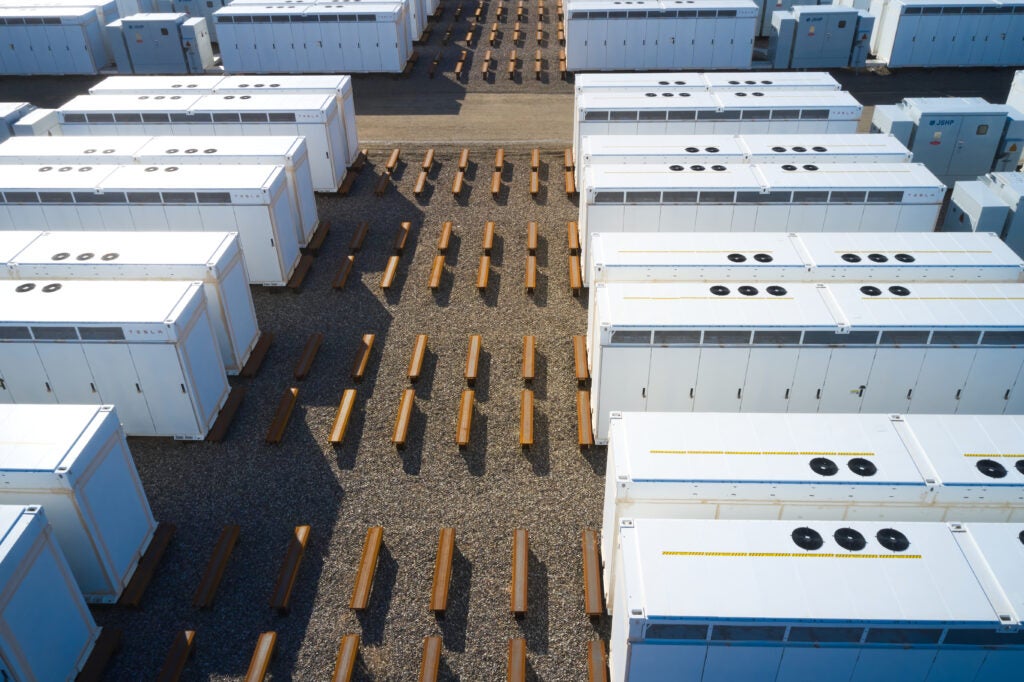
Baskaran: Battery storage absolutely will become increasingly important to stabilize the grid as DERs grow. As solar becomes a cheaper new generation source in many regions, batteries will be increasingly required to shift excess generation to evenings and balance intermittency. Lithium-ion battery prices also continue to get cheaper, making energy storage projects pencil out more and more.
Global energy storage deployment is expected to grow around 23% annually over the next 10 years, with a 12-fold increase from the total storage deployed in 2024.
As extreme weather events continue to cause more outages amid a large increase in demand from data centers, energy storage is required for reliability. The OBBBA did not remove the investment tax credit for energy storage, showing commitment to increased investment and deployment in this area.
POWER: What’s the potential for vehicle-to-grid technology?
Baskaran: The vehicle-to-grid market is projected to grow by ~25% from 2024-2030. As adoption of electric vehicles increases, a larger pool of vehicles are capable of bidirectional energy flow, enhancing grid stability and efficiency.
Advancements in battery technology and smart grid infrastructure are also facilitating the growth of V2G solutions. Over time, V2G technology will become a critical component of energy management systems that facilitate the growing DER market.
POWER: Should electric utilities join with third-party aggregators to take advantage of the generation from DERs? Can utilities benefit from demand-side management (DSM) and/or demand response (DR) programs?
Baskaran: Utilities can benefit from partnering with third-party aggregators by accessing DER benefits more quickly and cost effectively, without increasing the burden of device management. Partnering with aggregators allows utilities to take advantage of VPPs that reduce peak demand, shift loads, and participate in wholesale markets.
Utilities can benefit from demand-side management and/or demand response programs. They lower peak demand, flattening the curve and reducing the need for expensive peaker plants and transmission and distribution upgrades. Additionally, they improve grid reliability by responding in minutes, and keep costs down for customers by reducing system costs.
—Darrell Proctor is a senior editor for POWER.