
resiliency
-
 Commentary
How Provider Partners Can Help Integrate, Innovate, and Improve Energy Resiliency
We know the current energy grid isn’t enough to handle today’s needs. Across industries, the demand for power is accelerating at rapid-fire speed. Over the next five years, electricity demand from artificial intelligence (AI)-optimized data centers is projected to more than quadruple, according to the International Energy Agency. Fueled by AI use, the U.S. is […]
-
 Commentary
Examining the Real Cost of Renewable Resiliency
In the face of escalating climate challenges, renewable energy asset owners come to a critical crossroads: invest in resilient, hardened assets or opt for standard equipment to minimize upfront costs. In the context of solar energy, resilience refers to an asset’s ability to withstand, adapt to, and quickly recover from disruptions caused by extreme weather […]
-
 T&D
T&DStrengthening America’s Electric Power Grid: How the Government and Industry Are Improving T&D Systems
The U.S. transmission and distribution (T&D) network is reliable and well-maintained, but as renewable energy continues being added to the grid, and demand increases due to growing data center needs and the electrification of transportation and manufacturing processes, work is necessary to keep up with the changing times. The U.S. government understands the need for […]
-
 T&D
T&DU.S. Power Distribution System Reliability Has Declined Over the Past Decade: How to Make It Better
SAIDI (System Average Interruption Duration Index) and SAIFI (System Average Interruption Frequency Index) are widely used reliability indices that measure the performance of power distribution systems. SAIDI represents the total duration of interruptions for an average customer over a given time period, typically a year. It is calculated by taking the sum of all customer […]
-
 Distributed Energy
Communities Embrace Distributed Energy for Economic Uplift
Global communities increasingly turn to distributed energy resources (DERs) to boost their local economies and enhance energy resilience. Generating and managing power locally cuts energy costs and fosters sustainable development. Recent successes in various cities and towns showcase how DERs can drive significant economic growth. As a result, it has become a viable strategy for […]
-
 Energy Security
Extreme Weather Preparedness: Scalable Power Generation
Help customers stay resilient with clean propane power generation. Power outages caused by extreme weather events continue to cause environmental and economic stress throughout the country. Because of this, finding more reliable power options is a top priority for power professionals. In a recent episode of the Path to Zero podcast, Tucker Perkins, president and […]
-
 O&M
O&MUnderground or Overhead: Exploring Line Options to Enhance Grid Resiliency
The power grid has been a topic that has dominated headlines in the energy industry and mainstream news over the past few decades. Despite this increased focus, with each passing year the problem is only
-
 Trends
U.S. Deploys $3.5B Boost for Grid Resilience: Major Projects Revealed
Fifty-eight projects spearheaded by major U.S. power stakeholders will receive up to $3.5 billion in federal funding to improve grid flexibility and boost power system resiliency against extreme weather and climate change, the Biden administration announced on Oct. 18. The projects mark the Department of Energy’s (DOE’s) first competitive selections under the Grid Resilience and […]
-
 Legal & Regulatory
DOE Proposes New Distribution Transformer Standards as Crippling Shortages Persist
Almost all distribution transformers produced or imported into the U.S. could require amorphous steel cores starting in 2027 under new energy efficiency standards proposed by the Department of Energy (DOE). The measure, unveiled as industry grapples with a crippling shortage of distribution transformers, will serve a longer-term role in boosting grid resiliency as a “strategic […]
-
 Commentary
Evolution and Continuation: How Distributed Control Systems Will Change and Adapt
Are today’s Distributed Control Systems ready for what tomorrow could bring? Johan Björklund of leading global technology company ABB believes they are. Here he looks at how the DCS is adapting to meet the changing demands of users. Distributed Control Systems (DCS) have been around for nearly half a century. Of course, both industrial processes […]
-
 Press Releases
Con Edison’s Investments and Climate Research Prevent Outages, Protect Customers
NEW YORK – Nearly 10 years after Superstorm Sandy took lives, wrecked homes and caused widespread power outages, Con Edison has fortified its energy systems and is planning for the hotter, stormier weather that climate change will continue to bring. The company’s investments in its electric delivery system over the past decade have prevented 1.1 […]
-
 Technology
Innovating Grid Resilience from the Outside In
Operational innovation—creating new ways of performing core business functions like grid asset management—can provide reliable, relatively low-cost transformation for electric utilities. One area for
-
 Commentary
Homeowners Learned a Lot in 2021; Here’s What They’re Looking For in 2022
The events of the past year and a half have irrevocably changed the way we live, especially at home. Pandemic-related restrictions and lifestyle changes have greatly increased the amount of time Americans spend at home—at one point, more than 50% of the population spent more than 18 hours in their homes. Rising energy costs and […]
-
 Distributed Power
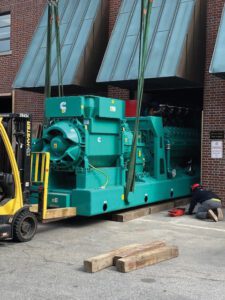
Upgrading a Campus Energy System as Part of a Carbon-Reduction Effort
Educational institutions increasingly are upgrading their physical utility infrastructure to become more efficient in their use of energy while addressing the reliability of the energy supply on their campus
-
 T&D
T&DInfrastructure Deal Could Be the Adrenaline Shot U.S. Resilience Efforts Need
With record high temperatures and wildfires gripping the West, utilities have asked residents to cut down on power usage to reduce the strain on overburdened systems. As we’ve seen following countless crises, the U.S. energy grid is being pushed to its limits. Fortunately, a $1 trillion infrastructure bill is on the horizon, and with it, a significant opportunity […]
-
 Climate change
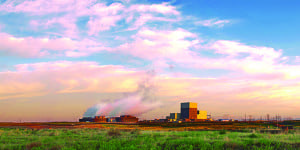
Rolling Blackouts Triggered as Historic Heatwave Grips Pacific Northwest
Utilities across the Pacific Northwest are bracing for exceptional stress on the grid as record-breaking temperatures continue to fester across the region, and at least one utility—Avista Corp.—this week began rolling outages as a measure to alleviate strain on the electric system. Despite pleas to customers to reduce their power consumption, Avista, which supplies power […]
-
 Business
Why Resiliency in the Electrical Grid Should Be Measured from the Customer’s Perspective
Reliability performance is core to the utility industry. Utilities strategically design and invest in their system to maximize reliability performance—traditionally measured by System Average Interruption Frequency Index (SAIFI), System Average Interruption Duration Index (SAIDI), and/or Consumer Average Interruption Duration Index (CAIDI). These quantitative metrics largely drive utility investment decisions, shape strategic priorities, dictate regulatory approvals, […]
-
 Renewables
The POWER Interview: Are DERs an Opportunity, or Threat?
Distributed energy resources (DERs) are physical and virtual assets that are deployed across the power distribution grid. They are typically close to load, and though they initially began as behind-the-meter assets, today may be as likely to be deployed in front of the meter. DERs include renewable energy, and are the key component in microgrids, […]
-
 News
NewsDespite Dead DOE Rule, Grid Resiliency Persists as a Major Concern
The U.S. power industry lacks forward-looking ways to measure grid resiliency and traditional reliability metrics could become irrelevant as more intermittent generation inundates the bulk power system. But rather than continually looking backward to learn from ever-increasing emergencies or close-shaves, power system operators must work to cultivate a balanced portfolio that considers all aspects of […]
-
 T&D
T&DThe Importance of a Resilient Power System
It’s hurricane season in the U.S., which runs from June 1 through the end of November, and there have already been three named storms. The most recent was Tropical Storm Christobal, which was the earliest third-named Atlantic storm on record when it formed on June 2. It made landfall in the U.S. along the northern […]
-
 T&D
T&DHow to Keep the Power On
It’s been a summer of power outages as extreme weather has been wreaking havoc on the electrical grid. Violent thunderstorms, tornadoes, and record-high temperatures have all taken turns knocking out the power across the East, from Michigan and Wisconsin to Washington, D.C. The lights even went out in Times Square and Manhattan’s West Side due […]
-
POWER Podcasts
Working with Peers Is Critical to Power System Reliability [PODCAST]
When conversations around the power industry turn to computer hacking, more often than not experts say it’s not a question of if, but rather, how systems have been compromised. William Doering, adjunct professor in the online Master’s in Business Administration program at Maryville University and a director with Guidehouse—a management consulting services provider—said he has participated […]
-
 News
NewsTrump Acts on Critical Infrastructure Resiliency Against EMP Threats
President Trump has signed an executive order (EO) to boost coordination for and national resilience against electromagnetic pulse (EMP) threats—both from nuclear warfare and natural events like solar superstorms. The action suggests new federal mandates to protect critical infrastructure against EMP events and attacks may be on the horizon. Senior Trump administration officials from the National Security […]
-
 Plant Design
Building Puerto Rican Resiliency with LPG-Fueled Engines
After Hurricane Maria left the island of Puerto Rico in ruins, the ProCaribe liquefied petroleum gas (LPG) hub continued to operate, ensuring vital energy resources were available even in the wake of this
-
 Legal & Regulatory
Can Coal and Nuclear Power Plants Be Saved?
It’s no secret that U.S. nuclear and coal-fired power plants are struggling to remain viable in competitive markets. Many plants have been retired for economic reasons long before the facilities reached the
-
 Commentary
Grid Reliability and Resilience Pricing: FERC’s Rulemaking and How Our Energy Markets Are Responding
Kenneth W. Irvin and Christopher Polito1 Sidley Austin LLP – Washington, D.C. What is “resilience,” and do we need it? As anyone who has not been on Mars knows, last year, U.S. Secretary of Energy Rick Perry petitioned the Federal Energy Regulatory Commission (FERC) to craft policies to provide for “resilience” in our generation resource […]
-
 Coal
CoalPuerto Rico’s Grid Needs Resiliency. Here’s Why It Won’t Be Easy.
Puerto Rico’s energy infrastructure must be redesigned and rebuilt with an emphasis on resilience—and that will require wide-ranging, long-term efforts, the Department of Energy (DOE) says in a new report. In its June 20 report, “Energy Resilience Solutions for the Puerto Rico Grid,” the agency lists a number of recommendations for the government of the […]
-
 Renewables
Exelon CEO Clarifies Headline-Grabbing No-Grid-Emergency Comment
Chris Crane, CEO of Exelon Corp., seemed to take umbrage with the way comments he made on June 5 were reported by Utility Dive. The website published the headline “Exelon CEO: No grid emergency to justify DOE coal, nuke bailout,” but Crane went out of his way to clarify his position while on stage participating […]
-
 Renewables
EPRI: Electrification to Reshape Power Landscape
Even in the absence of climate policy, customer adoption of electric end-use technologies over the next 30 years is expected to spur steady growth in energy consumption, a new report assessing U.S. electrification from the Electric Power Research Institute (EPRI) suggests. The April 3–released report, “U.S. National Electrification Assessment,” is based on findings by EPRI’s […]
-
 O&M
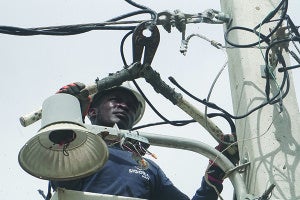
O&MReliability, Resiliency Key to Caribbean Rebuild
As another hurricane season approaches, the lessons learned by energy companies that have repaired power infrastructure in Haiti, Puerto Rico, and other areas provide a path forward for reducing the impact of