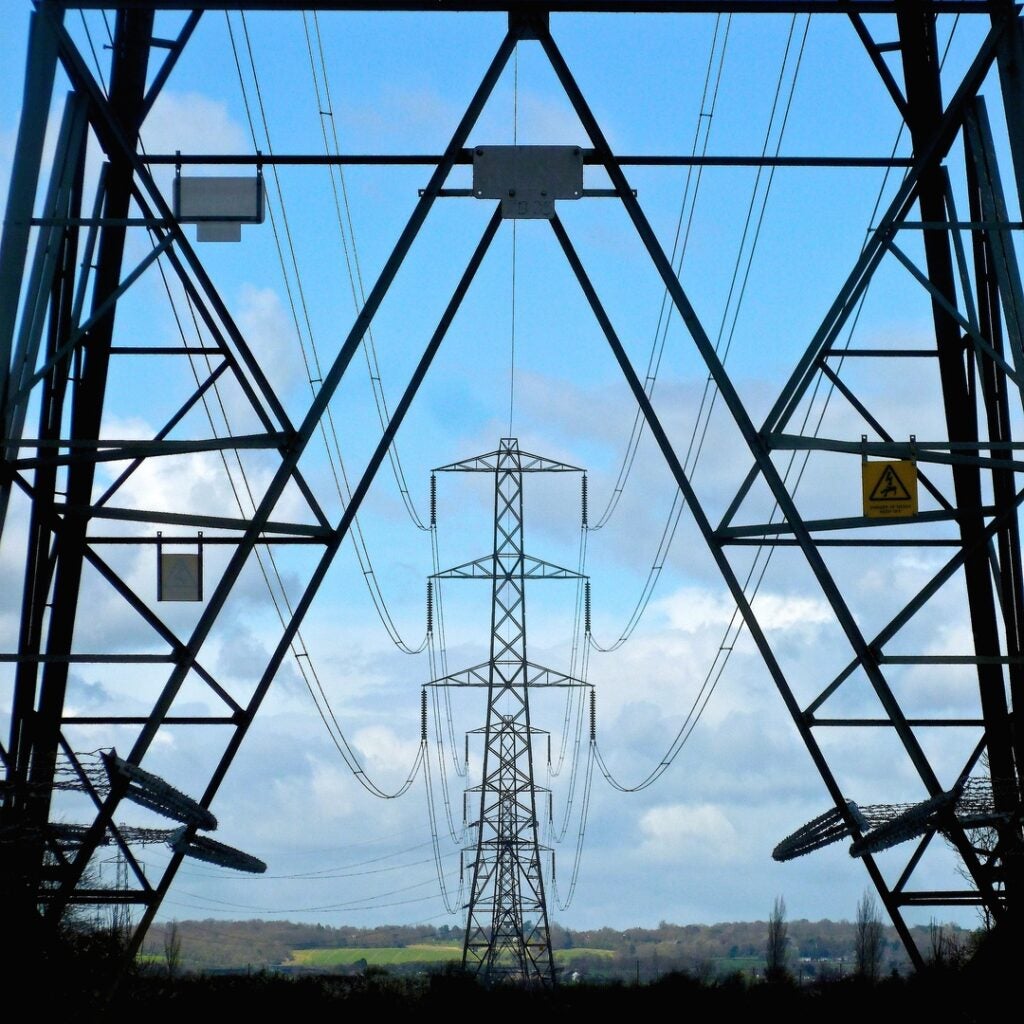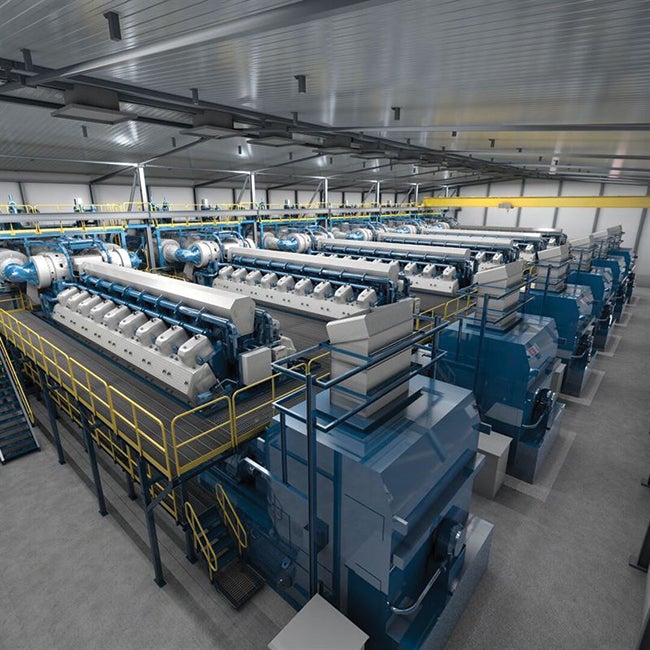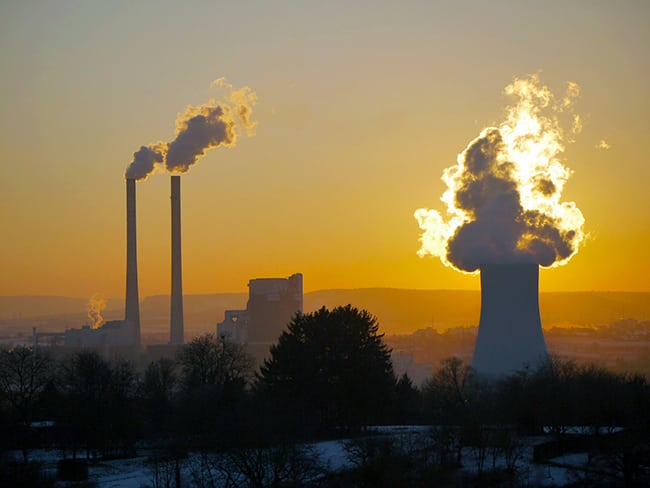
The past year saw a multitude of factors driving up electricity prices, including rapid growth in electricity demand, supply chain tightness, deployment delays for transmission and production projects, and an uncertain political and permitting climate.
We expect all of these trends to continue in 2026. Changing economics have turned the justification for project development in one of the most conservative market sectors on its head. And while new entrants and technologies entered the marketplace, we also saw technologies and developers favored by the prior presidential administration struggle to find their footing under the current one.
COMMENTARY
As businesses and policy makers strive to adapt, one underlying fact remains: the explosive growth of power demand has made energy one of the hottest sectors for investment. We expect that the whiplash and market disruption caused by policy variation in an era of massive load growth means significant opportunity for investors.
Trends Shaping the Market
Historically, companies entering the energy market faced constraints of legacy hydro and thermal generation setting the market rates below breakeven point for new technologies and products; there was little room for the cost of innovation. Flat electricity demand meant that a first-of-a-kind investment could only break even with significant government incentives and subsidies. Government grants and subsidies helped mature the solar, wind, and battery markets to the point where they could compete against fully depreciated legacy assets. With the energy grid as a static playing field, new opportunities arose only when legacy assets retired.
In recent years, this dynamic has been upended. The market now faces more entrants, greater demand, and more regulatory uncertainty. First, the Biden-era massive infrastructure investments under the Infrastructure Investment and Jobs Act and the Inflation Reduction Act dangled billions of dollars of federal funds to cost-share development across energy production, transmission, and distribution. While largely unspent, these funds did spur great interest in development, largely from wind, solar and battery developers, though also in nuclear and geothermal sectors. Second, a surge in demand—largely driven by data center development, electrification, and the return of manufacturing to U.S. soil—is straining existing infrastructure and creating new opportunities. Third, the policy shifts of the current administration—including the rescission of granted permits, issuance of stop work orders, and freezes on infrastructure funding—have created regulatory uncertainty, especially with clean energy options like wind, solar and battery storage. Concurrently, the current administration is exercising rarely-used powers in favor of coal, natural gas, and nuclear projects.
New technology developers continue to enter the market to address the misalignment of demand and supply. The current administration has prioritized fixed thermal resources such as fossil, nuclear, and geothermal and de-prioritized and reevaluated the place of wind and solar in the market. Related sectors have been affected both positively, e.g. mining for critical minerals, and negatively, e.g. transmission tied to grid-scale wind and solar projects.
Industry Response
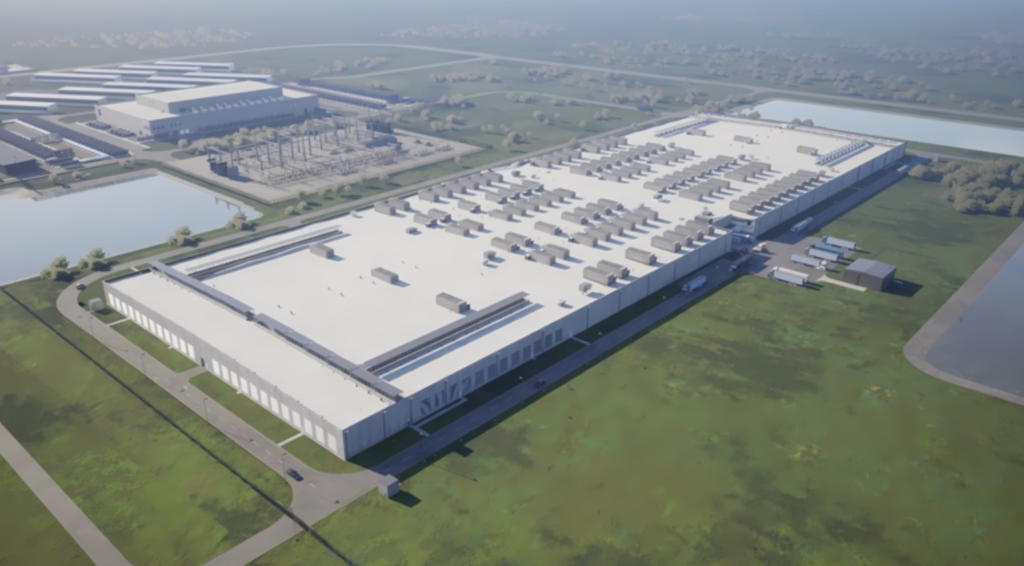
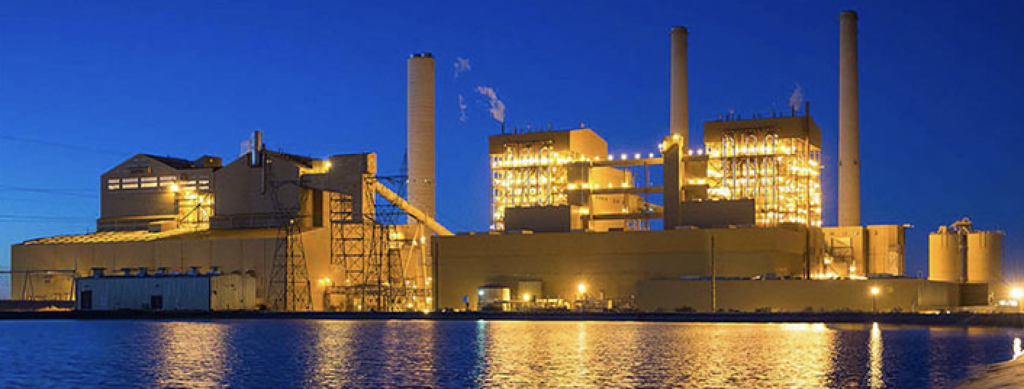
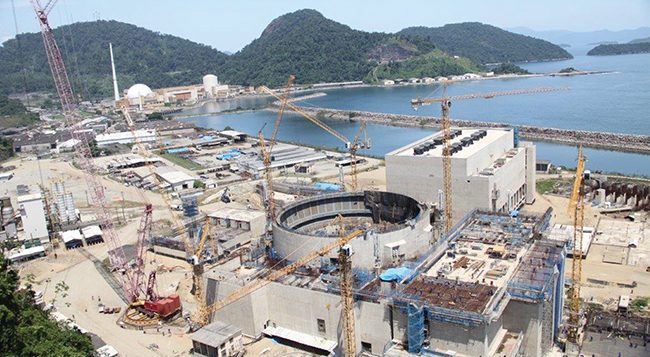
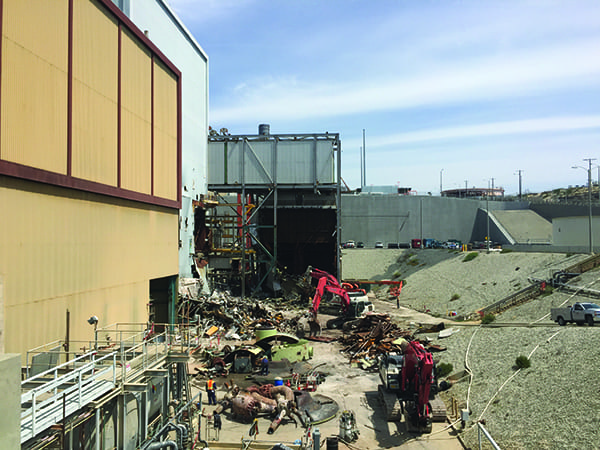
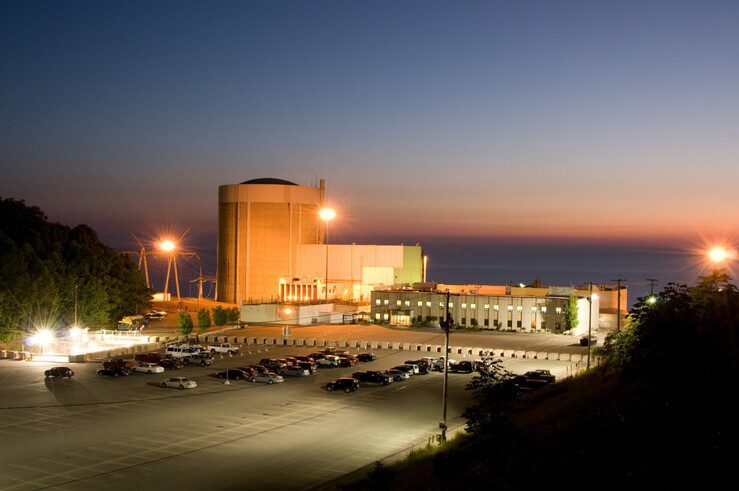
Industry players are responding by reevaluating all generating assets, including those under-subscribed or recently retired. Retired nuclear facilities at Three Mile Island, Palisades, and Duane Arnold are restarting or being considered for restart. The utility responsible for the V.C. Summer site, where construction on two AP1000 reactors was stopped eight years ago, announced that the project is being revived. A significant energy project in Texas under the leadership of former Gov. Rick Perry includes plans to deploy four AP1000 reactors and an additional four gigawatts of electricity from combined-cycle natural gas plants. Each of these projects is directly tied to, and sometimes co-located with, large-scale data centers. Co-location strategies—such as siting data centers at coal, natural gas, or other plants—are gaining traction, addressing both infrastructure buildout needs and the demand for reliable power.

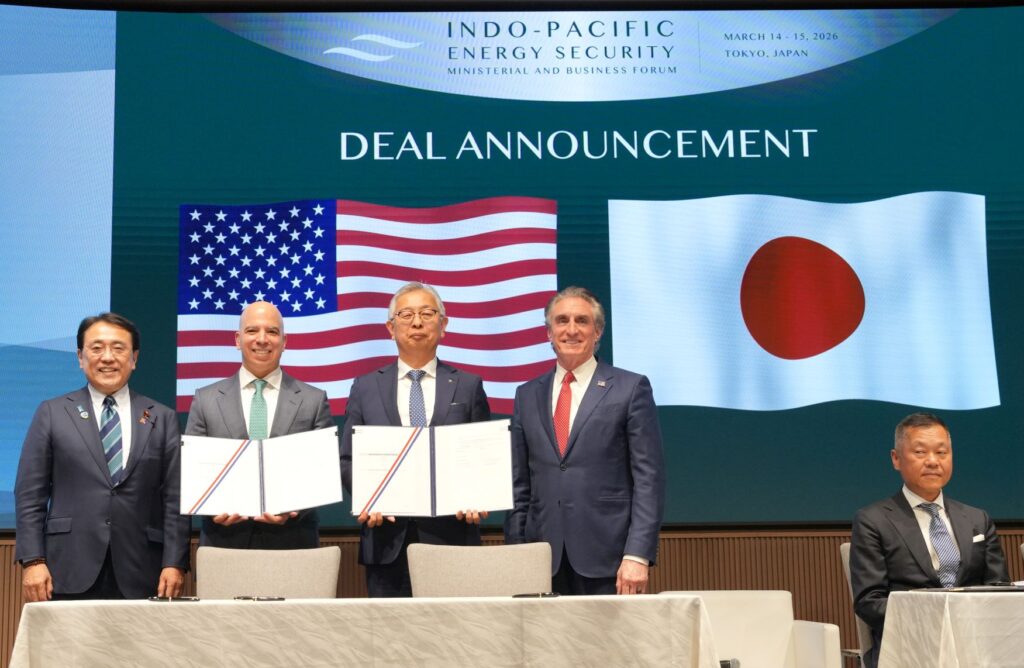
Propelling industry, the federal government is sending strong market signals that it is going to help drive the market: the U.S. Dept. of Energy is opening four of its sites for data center development and sponsoring the construction of eleven prototype nuclear reactors, and the U.S. Department of War (formerly the Dept. of Defense) anticipates building eight nuclear reactors of its own to provide grid power to military bases.
Investment Opportunities and M&A Forecast
The influx of new entrants (both big and small) into data center and energy development is reshaping the competitive industry landscape. Not all of the smaller players will survive; many are likely acquisition targets as the market consolidates. Many nascent energy companies will have several years of runway to develop and deploy projects before they must generate revenue, thanks to the massive investments received by household name technology companies. The influx of private investment has operated akin to government subsidies, but as technology gets proven, expect consolidation in the market.
Raw materials, mining, and processing are also in the spotlight. The administration’s push for onshoring source material for infrastructure buildout opens investment opportunities through 2025 and 2026, particularly in critical minerals and domestic supply chains. The administration itself is getting involved in an unprecedented way: it has taken direct equity stakes in critical minerals development, chip fabrication, and potentially nuclear reactor developers. These investments are tied to artificial intelligence and data center development, demonstrating the current administration’s prioritization of the sector. Further, government investments like these have an investment amplification effect: when the government endorses a project or company, private capital piles on.
Conclusion
The energy sector has survived significant policy change in the last few presidential administrations. Financial investors and industry players are focusing on infrastructure investments that are resilient from one administration to the next by toggling between energy transition and traditional assets. The surge in data center demand, the current presidential administration’s support for fixed thermal energy sources, and the ongoing evolution of the energy transition all point to a dynamic, opportunity-rich market for nimble investors willing to navigate uncertainty.
—Megan Ridley-Kaye is a partner in Corporate & Finance with global law firm Hogan Lovells. Stewart Forbes is counsel in Global Regulatory for Hogan Lovells. The authors thank Cameron Hughes, associate at Hogan Lovells, for her assistance with this article.