Latest
-
 Legal & Regulatory
EPA Issues Updated CSAPR Rule in Push for Compliance with More Stringent 2008 Ozone NAAQS
Updates finalized by the Environmental Protection Agency (EPA) to its Cross-State Air Pollution Rule (CSAPR) identify nitrogen oxide emission (NOx) reductions from power plants in 22 states to help states address transported pollution under the agency’s more stringent 2008 ozone air quality standards. It marks the first time the EPA has updated an existing program […]
-
 Renewables
NREL: Integrating 30% of Wind and PV into Eastern Interconnection Is “Technically Feasible”
If wind and solar photovoltaic (PV) penetrations in the Eastern Interconnection were amped up to 30%, they would decrease coal, combined cycle, and combustion turbine capacity factors by 30% to 50%, a new study from the National Renewable Energy Laboratory (NREL) suggests. The study, NREL’s Eastern Renewable Generation Integration Study (ERGIS), was released on August […]
-
 Gas
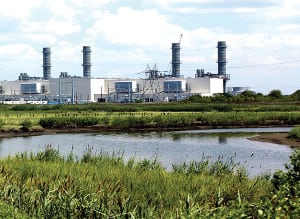
TOP PLANT: Linden Generating Station, Linden, New Jersey
Owner/operator: PSEG New Jersey’s second-largest power plant has been a leader since it opened in 2006, when it was named a POWER Top Plant for its use of reclaimed water for cooling and for fitting an advanced four-unit facility into a constrained brownfield site. Now PSEG’s Linden Generating Station becomes a two-time Top Plant winner […]
-
 Gas
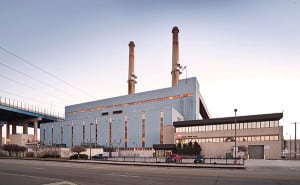
TOP PLANT: Valley Power Plant, Milwaukee, Wisconsin
Owner/operator: We Energies Converting a boiler’s fuel source from coal to natural gas involves a lot of planning and reengineering. When the plant is the sole steam service supplier to a downtown metropolitan area, it also involves a rigid schedule. The Valley Power Plant overcame several challenges to successfully complete one such conversion. The Valley […]
-
 Nuclear
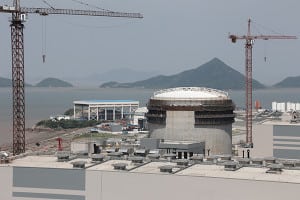
The Nuclear Power Industry Is Increasingly Global—and Complicated
The second World Nuclear Exhibition was held at a moment in time when the prospects for nuclear power are both tantalizing and frustrating. One thing is clear: The dynamics of the nuclear power industry have changed recently—and so have the solutions proposed for achieving greater certainty. One of the strongest arguments nuclear power has going […]
-
 O&M
HRSG Condition Assessments Identify CAPEX, Maintenance Priorities
As combined cycle gas turbine plants are called upon to play a larger and more flexible role in the generation mix, it’s important to schedule a comprehensive assessment of major components at key intervals to ensure reliable operation. Just like humans, power plants can benefit from regularly scheduled condition assessments, which are sometimes called “health […]
-
 Legal & Regulatory
Coal Power Plant Post-Retirement Options
Deciding to retire a coal-fired unit is often a tough call, but even tougher decisions follow. The next steps taken by a generation owner have multiple economic, environmental, and stakeholder consequences. Since 2000, U.S. generating companies (Gencos) have announced the closure of more than 200 coal-fired power plants, totaling 102 GW of generating capacity. Closures […]
-
 Waste to Energy
: An Opportunity Too Good to Waste, or a Waste of Time?
Inexpensive natural gas, increased renewable energy utilization, and ever-tightening environmental regulations have limited the use of waste feedstocks for power generation. But while often dismissed out of hand, with proper planning and understanding of the market, power producers can realize benefits from waste-to-energy projects. It was a tropically hot day at the plant, and it […]
-
 Coal
Exelon, America’s Leading Nuclear Generator, Keeps the Faith on Nukes
The U.S. nuclear power business is in trouble, and Exelon has six units totaling more than 5,300 MW of dependable capacity on the chopping block. How will the Chicago electricity giant respond? Perhaps by acquiring more nuclear capacity? Chicago-based Exelon Corp., the largest nuclear power generator in the U.S., is facing what could be the […]