
Latest
-
 News
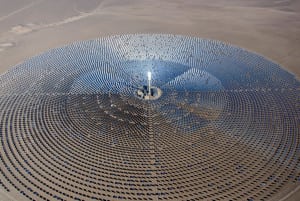
NewsMaximizing the Solar ITC Phaseout: Lessons from Wind
Every company invested in our nation’s clean energy transition is aware that 2019 is the last year that solar energy can take advantage of the 30% Investment Tax Credit (ITC) under Internal Revenue Code
-
 Gas
GasEgypt Megaproject: An Expedited Power Transformation
Winning POWER’s highest honor is a set of three gas-fired power plants and related infrastructure—the Egypt Megaproject—which was the single biggest order ever in Siemens’ long history. Completed in a
-
 News
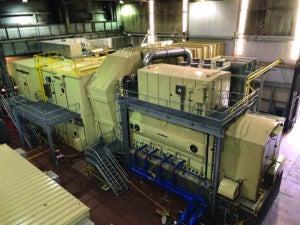
NewsDogged Determination Brings Innovation to Renovation
A group of project managers and engineers overcame a host of challenges to help an iconic Minnesota power plant complete its switch from coal-fired power to natural gas. Converting a coal-fired power plant to
-
 News
NewsA Clean Sweep for Invasive Mussel Biofouling
The rapid proliferation of dreissena rostriformis bugensis—the quagga mussel—has major implications for power plant reliability. The U.S. Bureau of Reclamation installed a groundbreaking solution at Parker
-
 News
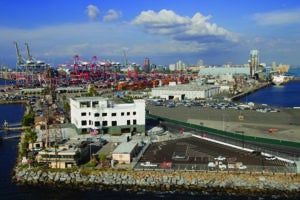
NewsPort’s Microgrid Could Be Sea Change for Industry
A new microgrid in California, at the nation’s second-busiest seaport, takes an innovative approach to providing reliable, resilient, and sustainable power, providing a glimpse at the future of such
-
 Distributed Energy
Distributed Energy Award Goes to Unique Hog Farm Microgrid
Power from pig manure is not a public relations stunt, but rather, it’s an innovative solution to several farm challenges. Installing lagoon covers not only reduces odors and eliminates rainwater ingress
-
 Nuclear
Bringing the APR1400 Reactor to Market
The U.S. Nuclear Regulatory Commission conducts an extensive evaluation of reactor technology before approving and ultimately licensing nuclear power plants. Korea Hydro and Nuclear Power Co. Ltd. began the
-
 News
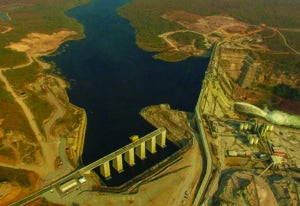
NewsHydropower Is Vital to Africa’s Future
Africa has a number of power supply challenges, many of which can be overcome with renewable energy. Foremost among the options is hydropower. While large projects can meet stiff resistance in the development
-
 T&D
T&DDrivers for Advanced Distribution Management Systems
There are many reasons for utilities to invest in Advanced Distribution Management Systems, particularly as more renewable resources are utilized and integrated, and the need for reliability and resilience of
-
 News
NewsEquipment Showcase: Construction Equipment
Successfully operating a power plant or other industrial facility depends on many things, including the vendors who supply equipment for construction of the facility, along with those who provide the materials