
Latest
-
 O&M
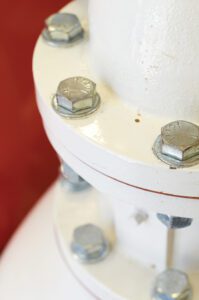
O&MFasteners and Gaskets for Power Plant Service
Anyone who works in the power industry knows how important fasteners, such as nuts, bolts, and rivets, and gaskets are to plant operation. Fasteners provide structural integrity, effectively holding everything
-
 Solar
SolarPOWER Digest [September 2024]
Investment Fund Buys Spanish Solar Projects. NextEnergy Capital, an investment fund focused on renewable energy, in August said it had an agreement to buy 12 solar power projects in Spain. The installations in
-
 Fiction
Marnie Surfaceblow: Marnie’s Mailbag—Questions on Coal Ash and Tritium Lighting
Marnie and Maya answer real questions from readers. “Ma’am, don’t you think you should take a rest?” asked Maya Sharma, lead field engineer of Surfaceblow & Associates International. “But how can
-
 Commentary
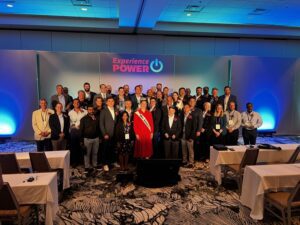
Gearing Up for Experience POWER Week
Every year, I look forward to attending several power industry events. Among my favorites is the big event POWER hosts, known as Experience POWER Week. The conference will be held this year at the Renaissance
-
 Sustainability
The Carbon Countdown: Captive Insurance Strategies for Energy’s Ticking Time Bomb
As the urgency to combat climate change intensifies, the energy sector faces unprecedented financial risks. One of the most pressing issues is the risk of stranded assets. This challenge was first brought to widespread attention by the Carbon Tracker Initiative’s 2011 report, which highlighted the financial risks associated with unburnable carbon. Now, the risk of […]
-
 Hydrogen
Can Utility-Scale Power Boilers Safely Fire Hydrogen?
There is plenty of enthusiasm around hydrogen as a possible alternative fuel to natural gas in combustion processes. Some hope it can eventually replace natural gas in applications such as utility boilers. However, any transition to 100% hydrogen has plenty of challenges to overcome due to it having such fundamentally different combustion characteristics. This gives […]
-
 Gas
GasOriginal Approach to Fogging Regains Popularity
MeeFog’s very first installation of inlet air fogging was done at Harbor Cogen in Southern California in 1991 on a GE 7EA turbine where it continues to be used for power augmentation to this day (Figure 1). When it was installed, the fogging arrays were placed upstream of the air filters. Since that time, more […]
-
 Sustainability
Navigating the Transition to Sustainable MV Switchgear Amidst Decarbonization Initiatives
The push for decarbonization in Europe is reshaping the power sector. Stringent environmental regulations and ambitious renewable energy targets have necessitated the expansion and upgradation of the electricity distribution network. This is to accommodate the increased adoption of distributed energy resources (DERs) and electrification across sectors. These factors are expected to significantly drive the demand […]
-
 Connected Plant
Data Mobility Will Define the Future of Power Operations
As the power industry becomes more complex, the ability to move contextualized data will be a catalyst for more successful, efficient operations. Power producers and distributors face a unique set of
-
 Connected Plant
Enhancing the Potential of Condition Monitoring Using Vibration Information
Condition monitoring can transform how power plants operate and maintain their assets. This article argues that to exploit the full potential of condition monitoring, it’s necessary to use data to acquire