
Latest
-
 News
NewsLiquid Ring Vacuum Pump and Compressor
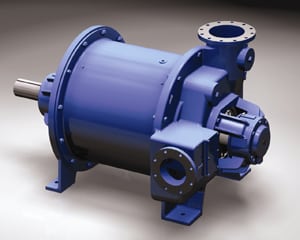
Gardner Denver Nash launched the NASH Vectra XL 750 as part of its liquid ring pump and compressor series. The NASH Vectra XL 750 offers vacuum pump operation of up to 28.5 in. HgA and compressor operation to 30 psig. It features O-ring sealing and ductile iron construction plus single-point inlet and discharge connections, which […]
-
 News
NewsElectromagnetic Flowmeter for Water/Wastewater Markets
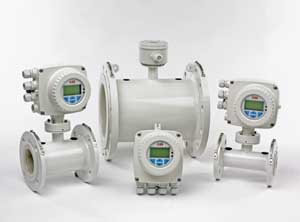
ABB Instrumentation launched the WaterMaster series, a new range of electromagnetic flowmeters that is specifically targeted at water and wastewater markets. Part of the FlowMaster portfolio, the series includes the WaterMaster magmeter, which is available in sizes 1.5 to 84 inches. For sizes up to 8 inches, the new unit incorporates an innovative octagonal sensor […]
-
 News
NewsD/P Gauge for High-Static Pressure Applications
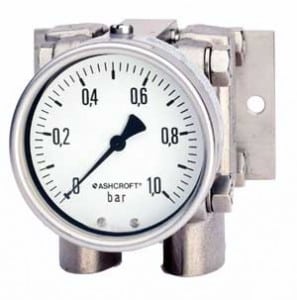
The new Ashcroft Type 5503 differential pressure (D/P) gauge provides reliable low – differential pressure measurement in high-static, wet-wet pressure applications. Equipped with wetted materials of 316SS, Monel, or Hastelloy C, the rugged Type 5503 D/P pressure gauge is specifically designed to monitor a wide variety of caustic liquids and gases. Four-inch and 6-inch dial […]
-
 Coal
CoalReport: Costs for First-Generation Carbon Capture Plants Will Soar
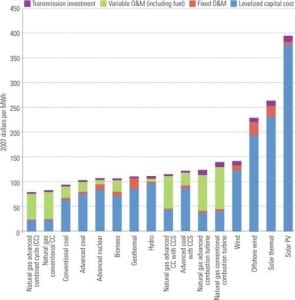
Carbon capture and storage (CCS) has of late gained steam as the best way to mitigate emissions of the greenhouse gas carbon dioxide (CO2) from fossil fuel power plants, despite evidence that the approach would require much energy and increase the fuel needs of a coal-fired plant by more than 25%. A new study from […]
-
 Nuclear
Nuclear Developments in Europe
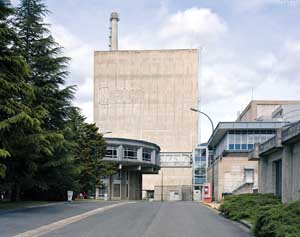
Recent months brought several developments in Europe’s much-touted “nuclear renaissance.” Spain Extends Life of Nation’s Oldest Reactor Spain’s government on July 2 granted a four-year extension to the operating permit of the 466-MW Santa María de Garoña nuclear power plant (Figure 3). The decision follows a nonbinding recommendation by Spain’s nuclear regulator in June to […]
-
 Solar
SolarSwiss Solar Plane Prototype Designed to Fly Day and Night
The first aircraft designed to fly day and night propelled solely by solar energy was unveiled at Dübendorf airfield, Switzerland, in late June. The Solar Impulse has the wingspan of a Boeing 747-400 and the weight of an average family car (1,600 kg) (Figure 4). More than 12,000 solar cells mounted onto the wings will […]
-
 Hydro
HydroScotland Officially Opens 100-MW Glendoe Hydro Plant
In late June, Scotland officially opened the Glendoe Hydro Scheme, a 100-MW project whose construction near Loch Ness in the Scottish Highlands was the region’s biggest civil engineering project in recent times. Planning for the project began in 2001, and it took three years to build. Today, the project has the highest head — the […]
-
Waste to Energy
Biomass Electricity More Efficient than Ethanol, Researchers Say
Biomass — plant matter that’s grown to generate energy — converted into electricity could result in 81% more transportation miles and 108% more emissions offsets than ethanol, according to U.S. researchers. In addition, the electricity option would be twice as effective at reducing greenhouse gas (GHG) emissions. The study, published in the May 22 issue […]
-
 Business
DOE Funds Electrification of Transportation Sector
On August 5, President Barack Obama announced that 48 new advanced battery and electric drive projects will receive $2.4 billion in funding from the Department of Energy under the American Recovery and Reinvestment Act. The announcement marks the single largest investment in advanced battery technology for hybrid and electric-drive vehicles ever made. DOE funds will […]
-