
Commentary
-
 Commentary
AI on the Edge: Can Distributed Computing Disrupt the Data Center Boom?
As artificial intelligence (AI) usage and sophistication grows, questions about the sustainability of the traditional model of utilizing huge, centralized data centers are frequently raised. Hyperscale data centers handle most AI workloads today, but they come with high energy demands and environmental costs.
-
 Commentary
Three Strategies for Seamlessly Incorporating AI into the Modern Energy Equation
In the ongoing effort to improve the profitability of energy production and delivery while mitigating the risks, companies are incorporating artificial intelligence (AI) to drive more powerful, effective analytics. This technological leap is critical as the industry navigates evolving demands, embraces new sources, and strives for greater efficiency, reliability, and sustainability. However, some energy companies […]
-
 Commentary
Safe, Secure, Economically Viable Nuclear Fuel Recycling is Here
Nuclear reprocessing technology has advanced significantly in the 80 years since aqueous technologies were developed near the end of World War II, thanks to innovation from the private sector in the U.S. Having taken up the challenge of developing a proliferation-resistant, efficient, and profitable way to recycle used nuclear fuel, American companies like Curio are […]
-
 Commentary
The Risk of Political Rebranding in the Clean Energy Industry
The U.S. solar industry has increasingly begun to rebrand itself as “MAGA-friendly,” emphasizing cost savings, energy independence, and job creation over climate concerns. This shift marks a departure from its traditionally left-leaning roots, as companies attempt to appeal to conservative consumers and policymakers. Some solar companies have changed their messaging to align with Trump-era rhetoric, […]
-
 Commentary
America Power’s Statement on EPA’s Proposal to Repeal Carbon Rule
The U.S. Environmental Protection Agency (EPA) on June 11 proposed to repeal the agency’s Carbon Rule. America’s Power president and CEO Michelle Bloodworth released the following statement: “America’s Power commends EPA for proposing to repeal the Carbon Rule. The repeal will make our nation’s electricity system more reliable and electricity prices more affordable, and enable […]
-
 Commentary
Trump Administration Moves to Allow Unlimited Pollution from Power Plants
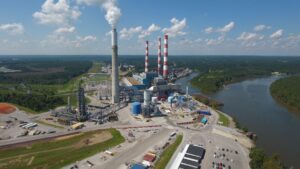
Former EPA employees at the Environmental Protection Network (EPN) strongly oppose the Environmental Protection Agency’s (EPA) proposal to repeal all federal limits on greenhouse gas (GHG) emissions from fossil fuel-fired power plants and to rescind the most recent update to the Mercury and Air Toxics Standards (MATS). These proposals represent a sweeping dismantling of critical […]
-
 Commentary
Who Will Pay for Forcing the Campbell Coal Plant to Stay Open?
The Trump administration moved forward with a controversial market intervention last month, ordering the aging J.H. Campbell coal-fired power plant in Michigan to remain open through the summer. The plant had been slated for retirement on May 31, and the unprecedented move, relying on the administration’s previous declaration of an energy emergency, raises a host […]
-
 Legal & Regulatory
Tariff Tempest: Renewables’ Route Through the Current Tariff Climate
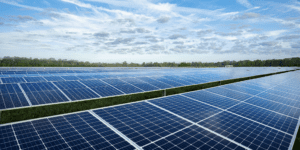
The current state of play for tariffs is creating headwinds and challenges, along with complexity and uncertainty, for global economies and certainly the renewable energy industry. While the renewable energy sector is no stranger to tariffs and the “challenge” they present, knowing the current status of such tariffs is the first step to developing mechanisms for dealing with them in a way that can give your project the best chance at success.
-
 Commentary
Deep Isolation Welcomes Presidential Action to Reinvigorate U.S. Nuclear Waste Disposal Program
Deep Isolation, a leading innovator in nuclear waste disposal technology, in a news release said the group applauds the suite of executive orders signed by President Trump on May 23. The orders prioritize revitalizing the nuclear industrial base, accelerating the deployment of advanced reactors, and advancing spent nuclear fuel (SNF) and high-level radioactive waste (HLW) […]
-
 Commentary
The Outlook for Energy M&A Amid Global Tariff War
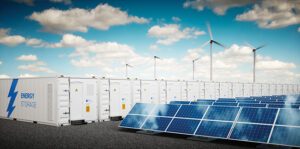
The uncertainty surrounding the global tariff war is reshaping the landscape of mergers and acquisitions (M&A) within the energy sector. This dynamic environment presents both challenges and opportunities for investors, compelling them to navigate a complex web of trade policies, supply chain disruptions, and geopolitical shifts.
-
 Commentary
Microgrids with Hydrogen: Supporting Energy Systems for the 21st Century
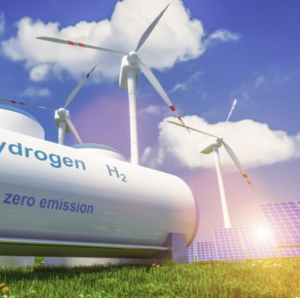
Why microgrids with hydrogen for backup power will create significant benefits for consumers and utilities. The energy grid in the U.S., particularly in regions like California, Texas, and the Northeast, is overstretched and increasingly unable to meet modern demands. California’s grid, for instance, is facing unprecedented strain with the sale of more electric vehicles (EVs), […]
-
 Commentary
An Under-Appreciated Threat from Airborne Attacks on Large Nuclear Power Plants
Most of the 440 operable nuclear power plants (NPPs) currently deployed worldwide have long been recognized as potential targets for attack by enemy military forces or terrorists. Such an attack could not only destroy the power-generating capacity of the plant but also release a large plume of radioactive material having the potential to cause long-term […]
-
 Commentary
Nuclear Is the Key to Winning AI Race
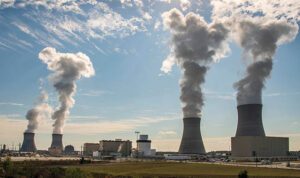
The deciding factor in the artificial intelligence (AI) race may come down to our ability to provide new data centers what they need most: massive amounts of constantly available electricity. In the U.S., data centers and their need to accommodate AI account for about half the projected growth of electricity demand through 2030. But the […]
-
 Commentary
It’s Time to Build American Energy—but It’s Getting Late
The energy and technology sectors are merging, the demand for power is surging, and the battle lines that have defined energy policy debates for decades are being overtaken by events. To lead the world in artificial intelligence (AI) and—as Adam Smith envisioned—enable people to earn a better living with greater ease, America must learn to […]
-
 Commentary
Rethinking Emergency Power: Hydrogen and the Future of Disaster Resilience
Today’s energy resilience toolkit includes a growing array of technologies, including diesel generators, natural gas systems, lithium-ion battery storage, solar-plus-battery microgrids—and now, a new class of hydrogen-based solutions that generate clean electricity from moisture in the air. No single option is universally ideal, but understanding their strengths and applications can help communities build more robust and flexible emergency energy strategies.
-
 Commentary
The Erosion of Energy Affordability
Since 2024, America’s airwaves have been flooded with phrases like “nuclear renaissance” and “drill, baby, drill.” Energy affordability has occupied the minds of the president, state legislators, regulators, energy suppliers, and utility companies, as everyday Americans confront rising energy costs. States like California have seen an increase in electricity bills between 2021 and 2024 of […]
-
 Commentary
The Next Five Years Will Define U.S. Nuclear’s Fate
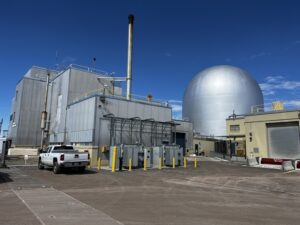
The U.S. stands at a critical juncture. We’re experiencing electric load growth for the first time in decades, as fierce global competition reshapes the energy landscape. Nuclear power, both the resurgence of fission and the promise of fusion, could secure our energy future and position the U.S. as the global leader in energy technology for […]
-
 Commentary
The Key to More Clean Energy? Wasting Less of It
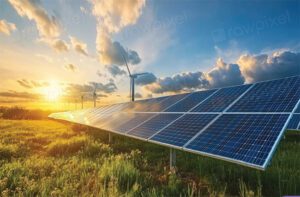
The clean energy transition is progressing rapidly, but this extraordinary transformation is not without its challenges: outdated power grids and a lack of balancing technology means that we are wasting vast amounts of clean energy and resources through curtailment. To address this, we need an integrated approach combining grid upgrades alongside the greater deployment of balancing […]
-
 Commentary
Trump’s Latest Actions Can Make America’s Grid Reliable
Recent executive actions announced by President Trump will go a long way in restoring the reliability of America’s electric grid, which has been eroding due to green energy policies and regulations that don’t reflect the real energy needs of the country. Under the Biden administration, U.S. Environmental Protection Agency (EPA) rules were designed to force […]
-
 Commentary
How Advanced Data Science Drives Value to Capital Programs
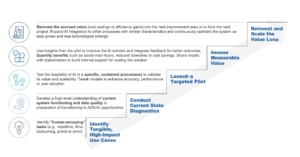
As businesses wait for artificial intelligence to mature, there is an opportunity to start implementing the data and functionality that is readily available now. Planning and delivering a complex, multi-billion dollar capital project creates a trove of actionable data and insights, if teams are able to manipulate the data to reveal these insights. The detail […]
-
 Commentary
Funding the Power Surge: Navigating the Trillion-Dollar Investment in the U.S. Power Sector
The U.S. power sector stands at a juncture, facing a confluence of factors that are poised to trigger an era of unprecedented growth and necessitate a large influx of capital. Driven by the increasing demand from data centers, the reshoring of manufacturing, and electrification across transportation, heating, and industry, the demand for electricity is rising at a pace unseen in recent decades.
-
 Commentary
Crafting Integrated Solutions to Minimize Energy and Water Consumption
Energy and water are like dance partners in a complex ballet, each intricately linked to the other. On the global stage, the greatest demand for water is for electric power generation, while the most energy-intensive sector is the extraction, treatment, and distribution of water.
-
 Commentary
Why We’re Suing the Nuclear Regulatory Commission—and Still Believe in Nuclear Regulation
At Deep Fission, we’re taking a radically different approach to nuclear energy: smaller, safer, faster to deploy—and located a mile underground. By placing reactors deep beneath the Earth’s surface, we use the natural containment of billions of tons of bedrock to dramatically improve safety and cut costs. COMMENTARY Liz Muller, CEO and co-founder of Deep […]
-
 Commentary
How Solar Developers Can Navigate California’s Ever-Changing Energy Landscape
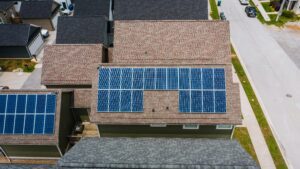
With its history of solar-friendly policies over the past two decades, California set the pace for solar adoption across the U.S., leading the nation in installed solar capacity for eight of the past 10 years, according to the Solar Energy Industries Association (SEIA).
-
 Commentary
The Time to Scale Up Geothermal Energy in Europe Is Now
We’re at a pivotal moment for geothermal energy in Europe, a clean, homegrown source of power, heating, and cooling. The signs are clear: interest from both politicians and investors is rising. In fact, there are numerous signals that now is the time to truly scale up geothermal energy in Europe. COMMENTARY Ever since Russia’s full-scale […]
-
 Commentary
What Was Learned from Building New Nuclear Reactors?
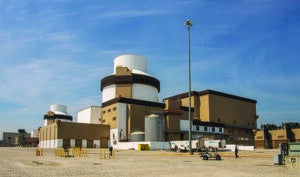
Georgia Power’s Plant Vogtle 3 and 4 are the only new reactors that have been built in the U.S. in over 30 years. At the start, Georgia Power executives claimed that, unlike the first two reactors, Vogtle 3
-
 Commentary
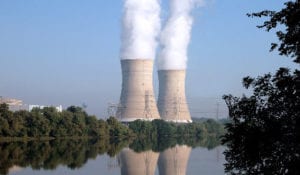
Nuclear-Powered Data Centers—What U.S. Developers Need to Know
Recognizing their desirable attributes and long-term potential to meet data center demands for power, several technology companies have announced their intention to team up with nuclear developers. At the same time, three companies with shuttered nuclear plants have notified the U.S. Nuclear Regulatory Commission of their plans to restart those facilities, which were closed for economic reasons.
-
 Commentary
From Waste to Wireless: How RF Power is Eliminating Disposable Batteries
The increasing reliance on battery-powered devices plays a substantial role in the unfolding environmental crisis. With industries and consumers dependent on single-use and rechargeable batteries, the global waste problem continues to escalate.
Lithium-ion batteries, while effective, contribute significantly to environmental degradation due to resource extraction, manufacturing emissions, and disposal challenges. Radio frequency (RF)-based wireless power technology is emerging as a viable alternative.
-
Commentary
America’s Nuclear Renaissance: How the TVA Can Lead Our Energy Future
You may have heard of the Tennessee Valley Authority (TVA), our nation’s largest public utility and source of cheap, clean, and reliable electricity for 10 million people. You may even know that its Board of Directors is appointed by the President of the United States and confirmed by the United States Senate, making it directly […]
-
 Commentary
Legal, Regulatory Risks Bring Uncertainty for the Energy Sector
Lightning-fast changes continue to happen daily as the Trump administration seeks to implement its energy policies. With stated policies firmly in support of promoting America’s fossil fuel development, curtailing renewable energy, and reducing regulatory burdens, recent and ongoing actions reflect these goals. What remains to be seen are what impacts the broad swath of energy […]