New research reveals artificial intelligence (AI)-driven water demand is set to surge nearly 130% over the next 25 years. Power generation consumes about half of that, turning water into a potential constraint on future capacity—and a catalyst for achieving a lasting transition to greater water security.
Power producers are facing a new challenge: deliver more electricity into a power system already under pressure, while protecting precious water supplies communities rely on.
AI infrastructure is expanding faster than any industrial shift in history, adding around-the-clock demand, especially in regions already vulnerable to water stress. For energy providers and plant operators, these risks are converging rapidly. As AI demand grows, water availability becomes essential to sustaining dependable power supply.
An average 30 minutes spent interacting with AI uses about 600 milliliters (ml) of water. Take an average water bottle, and almost 500 ml—all but a splash—goes into generating the electricity that powers AI data centers. A sip or two is used to fabricate semiconductor chips, and a few drops flow toward cooling servers.
That makes power plants the largest absorbers of AI’s water impact. It also shows us where the real leverage lies—not just in reducing AI’s water footprint, but in strengthening the water supply power generation depends on.
Water reliability is power reliability. Seasonal peaks and periods of water stress—caused by droughts or heatwaves—can constrain output, slow or complicate new buildouts, and invite tougher scrutiny from communities and regulators. In the AI economy, water becomes a determining factor for capacity expansion, permitting and siting, and long-term competitiveness.
Every Megawatt Has a Water Cost
As AI growth surges, all eyes have been on its energy appetite, not its water bill. But with AI driving an expected 129% increase in water demand across the value chain by 2050, and 40% of data centers located in water-stressed regions, water security is increasingly becoming a strategic priority.
Watering the New Economy, a report published by Global Water Intelligence (GWI) and Xylem, provides a comprehensive assessment of how the new economy is reshaping global water use.
The analysis shows AI could add 30 trillion liters of annual water demand by the middle of the century—with offsite power generation currently accounting for about half of the AI value chain’s water footprint and remaining near that level as renewables scale. As AI growth accelerates in parts of the world facing elevated water risk, power providers have a central role in ensuring that future power generation is built on a secure water foundation.
A Plant-Level Pressure Point
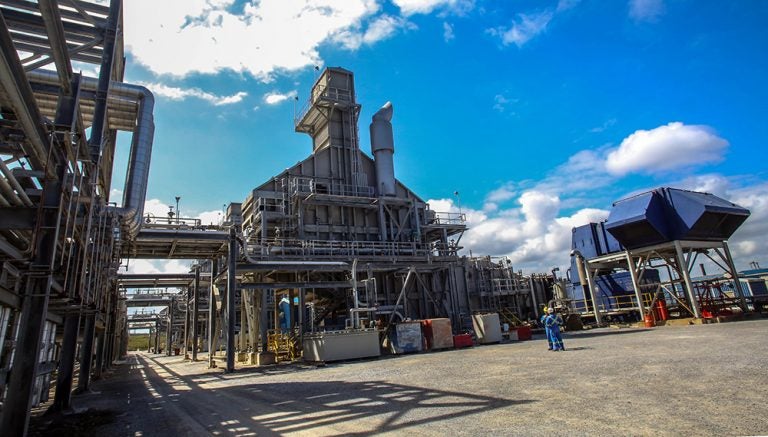
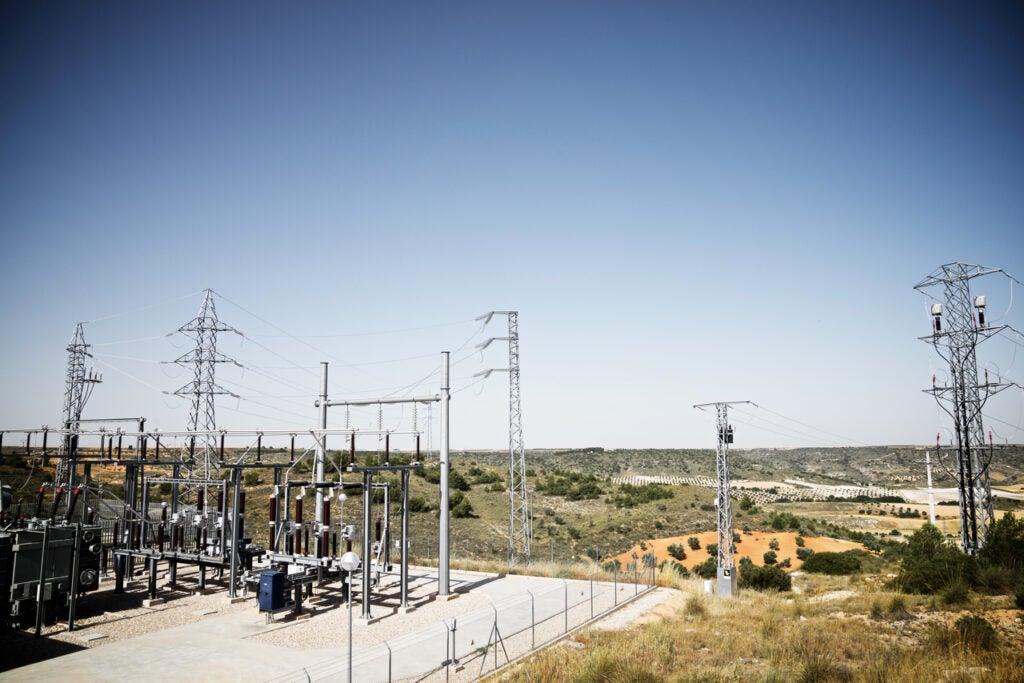
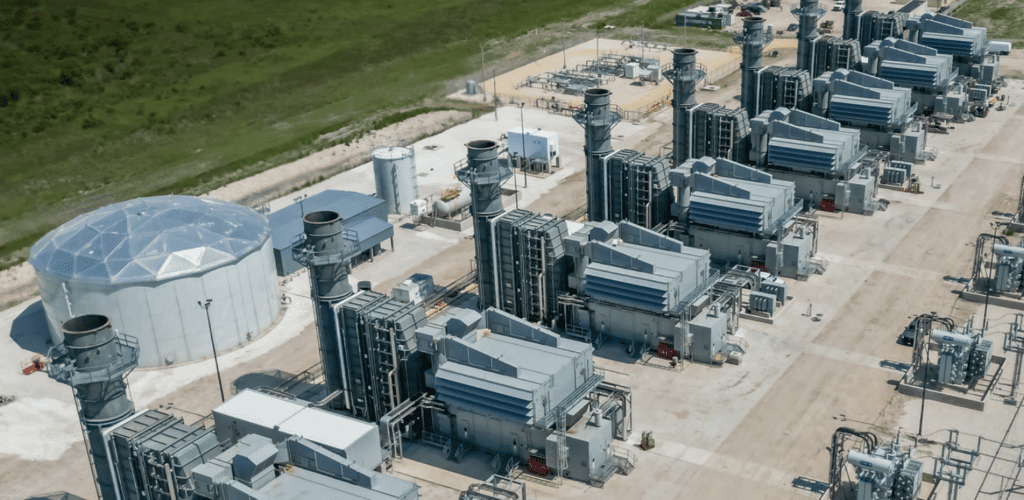
Most of AI’s water use is indirect, used offsite at power plants to generate electricity. Thermal power plants—especially coal, gas, and nuclear—are particularly reliant on a consistent water supply. This makes water planning a systems issue for reliable power generation.
As of last year, AI-related water use stood at about 23.7 trillion liters per year. Spending on AI is expected to approach $2 trillion this year. Given the projections, water is now a critical AI vulnerability—every megawatt of power depends on a reliable supply of clean water. Put simply, there’s no AI without water.
But power generation is also where we can make the greatest impact in driving a coordinated, broad-based water transition. By reusing water, investing in digital infrastructure to stop leaks and improve water efficiency, and partnering with power utilities or governments, we can substantially offset water demand, and help ensure industries and communities can rely on this shared resource.
The choice is clear. AI progress is not a zero-sum contest with communities, it’s a catalyst for a global transition toward greater, lasting water security. And it starts with a shift toward water-smart AI growth.
A Water-Smart Playbook for the Power Sector
Leading data centers and semiconductor fabs are increasingly reusing or recycling treated water, sending it back to communities, agriculture, and neighboring industries.
In water-scarce Arizona, Intel funded a water treatment facility that’s achieving about 96% water recovery and reuse. The treatment plant is owned and operated by a local utility. This partnership allows the City of Chandler to improve public infrastructure, while strengthening the region’s water supply chain, which Intel relies on.
For power generators, similar models—whether for reclaimed water sourcing, digital monitoring, or demand-side collaboration—are now part of strategic infrastructure planning.
Don’t Let Water Loss Weaken the System
Strengthening shared systems also means stopping leaks. According to our report, global wastewater volumes total about 320 trillion liters a year, and up to 100 trillion liters lost to leaking pipes could be recovered—far exceeding the additional water demand AI is expected to add.
Here, technology can help. In Mexico, Amazon has partnered with local utilities to deploy smart water management solutions that use data, analytics, advanced pressure management, and real-time leak detection to reduce water loss—an approach power producers can replicate with municipalities to secure dependable water supplies while improving service to communities.
Collaboration and targeted investment in intelligent infrastructure deliver resilience and protect community water systems. Upgrading infrastructure plays an important role, given the expected growth of renewables for data centers and chip factory power supply. Our report estimates renewables could save just over 100 trillion liters of water by 2050.
A Pivotal Moment for the Power Sector
Water underpins the entire AI supercycle, from power generation to data centers and chip manufacturing. The data warns that the amount of water these three industries will use will more than double by 2050.
We’re seeing community opposition, protests, and political debates flare up over AI infrastructure expansion. This could affect future approvals for new power plants, increase water costs, and lead to increased public backlash.
The report provides us with a strategic blueprint to turn these risks into resilience: reuse more water, fix leaks, and forge partnerships to modernize systems. We have all the tools we need to get to work.
Ultimately, the new AI economy will require not just ramping up power generation, but a successful water transition. This moment calls for leadership, and the power sector is uniquely positioned to deliver it. Handled well, the transition can unlock new megawatts. It can become a foundation to build on, turning today’s power generation challenges into tomorrow’s competitive edge.
—Matthew Pine is president and CEO of Xylem.