
severe weather
-
 Interview
The POWER Interview: Addressing Data Priorities as Severe Weather Season Looms
Though severe weather can happen at any time, April 1 is often considered the start of severe weather season—and now more than ever, utilities need reliable, accessible weather information to keep their staff safe and operations running smoothly.
-
 Commentary
Five Trends Shaping the Future of Demand Response in 2025
The energy grid is confronting unprecedented challenges, including surging demand, aging infrastructure, and the increasing frequency of extreme weather events. A deep freeze across the East Coast recently generated an all-time winter high demand on the PJM grid, while Texas and Florida dealt with a rare snowstorm. Demand response has emerged as a proven and […]
-
 Commentary
Examining the Real Cost of Renewable Resiliency
In the face of escalating climate challenges, renewable energy asset owners come to a critical crossroads: invest in resilient, hardened assets or opt for standard equipment to minimize upfront costs. In the context of solar energy, resilience refers to an asset’s ability to withstand, adapt to, and quickly recover from disruptions caused by extreme weather […]
-
 Connected Plant
Takeaways from 2024’s Biggest Outage Events
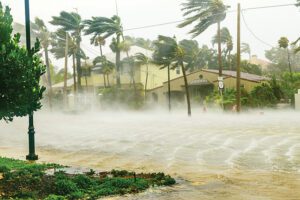
In an era when utilities and power generators rely on digital information technology (IT) infrastructure to help manage oversight of plant operations, ensuring uptime has never been more essential. Unfortunately, severe weather events can strike at any time—ranging from heavy snowfalls to scorching heat and hurricane winds—causing power outages that could bring production to a […]
-
O&M
How Power Companies Benefit from Accurate Weather Forecasts
It’s pretty easy to understand how the weather affects certain forms of power generation and infrastructure. Sunlight is obviously needed to generate solar power, wind is required to produce wind energy, and extreme storms of all kinds can wreak havoc on transmission and distribution lines, and other energy-related assets. Therefore, having accurate and constantly updated […]
-
 Solar
SolarEffects of Evolving NatCat Risks on Reliability and Insurability of Renewable Assets
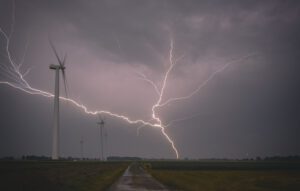
News on extreme weather events in the U.S. report an increase in both frequency and size over the last couple of years, including thunderstorms, tornadoes, convective storms, flash floods, hurricanes, and winter storms. This has a massive impact on a renewable energy asset’s reliability and insurability; there have even been cases where lenders won’t approve […]
-
O&M
Keeping Critical Facilities Running in the Aftermath of a Storm: Lessons Learned from Hurricane Ida
Hurricanes are the leading cause of power outages in the U.S. Power outages can make storms exponentially more dangerous for local populations, especially if they affect critical facilities like hospitals, fire stations, and police departments, which are vital in times of crisis. But what can utilities and municipalities do to prepare for natural disasters? How […]
-
 Press Releases
CON EDISON CLOSE TO COMPLETING $1 BILLION IN POST-SANDY STORM PROTECTIONS
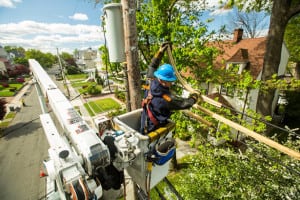
NEW YORK – Four years after Hurricane Sandy caused more customer outages than any storm in Con Edison’s long history, the energy company is on schedule to complete $1 billion in upgrades to protect its systems from severe weather events. The company has installed submersible equipment that can withstand flooding, redesigned underground electrical networks, installed […]