
EIA
-
 Fuel
FuelCoal-Fired Generation Down 30% in U.S., 8% Worldwide
Analysis from a global energy organization said power generation from coal-fired units fell 8.3% in the first half of 2020, with the world’s coal fleet running at less than half its capacity. The drop for U.S. coal generation was more steep, with the U.S. Energy Information Administration (EIA) reporting the output from the nation’s coal […]
-
 Fuel
FuelEIA Details Impact of Coal-to-Gas Switching
U.S. utilities have made a significant move away from coal-fired power generation in the past decade, evidenced by a continuing stream of announced coal plant retirements. That transition has been partly driven by new generation from renewable resources, such as wind and solar power. New data from the Energy Information Administration (EIA) released August 5, […]
-
 News
NewsU.S. Coal-Fired Generation at Lowest Level Since 1976
U.S. coal-fired power generation last year was at its lowest level since 1976, according to data released May 11 by the U.S. Energy Information Administration (EIA). The EIA in its latest Short-Term Energy Outlook report said energy from renewable resources could this year for the first time surpass coal-fired generation in the U.S. The agency […]
-
 News
NewsWind Energy Leads U.S. Power Generation Growth
The trade group representing the U.S. wind energy industry says the sector emerged as the top provider of new utility-scale power generation in the nation in 2019, with 9.1 GW of large wind power projects coming online. The American Wind Energy Association (AWEA), in its Wind Powers America Annual Report 2019 released April 16, said […]
-
 News
NewsNYISO: Power Consumption Down as Much as 18%
The New York Independent System Operator (NYISO) on April 16 said weekday morning reductions in power consumption have averaged as much as 18% below typical levels, with the most dramatic drops noted in New York City as businesses remain closed during the COVID-19 pandemic. NYISO, in an updated analysis of estimated coronavirus demand impacts released […]
-
 News
NewsEIA Notes Power Demand Destruction From Coronavirus
The coronavirus pandemic is altering the power landscape, with utilities and other power generators forced to adjust for load disruptions. Power consumption is changing as commercial and industrial electricity users close their businesses, and load is shifting to the residential sector with workers now settled in home offices, and students practicing remote and distance learning. […]
-
News
New Report Analyzes Power Demand Destruction Due to Coronavirus
The coronavirus pandemic is altering the power landscape, with utilities and other power generators forced to adjust for load disruptions. Power consumption is changing as commercial and industrial electricity users close their businesses, and load is shifting to the residential sector with workers now settled in home offices, and students practicing remote and distance learning. […]
-
 News
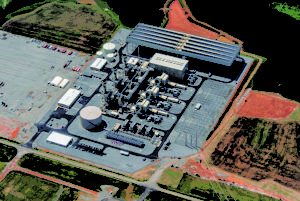
NewsNatural Gas a Powerful Force, Despite Industry Headwinds
Gas prices remain low worldwide, and the challenge for producers is to find a market for their supply. Gas remains the No. 1 source of U.S. power generation, and will continue in that spot for several more
-
 News
NewsBattery Storage: Perils and Promise
Lithium-ion battery technology promises the first realistic approach to fully integrating intermittent solar and wind into the U.S. power system. Despite its recent growth and great potential, the battery
-
 Nuclear
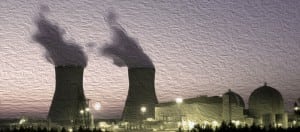
COVID-19 Threatens Outages Scheduled at 97% of U.S. Nuclear Sites in 2020
Challenged by the COVID-19 pandemic, the U.S. nuclear industry has asked the Trump administration to ensure nuclear workers, suppliers, and vendors will have access to nuclear plants and personal protective equipment (PPE) during the 2020 spring and fall refueling outage seasons and beyond. All but two of the nation’s nuclear sites had scheduled planned outages […]
-
 News
NewsWind Energy Group Says $43 Billion at Risk from COVID-19
Energy groups continue to assess the industry disruption caused by the coronavirus, with the American Wind Energy Association (AWEA) on March 19 saying the global pandemic is putting $43 billion of wind industry investments and payments at risk. Utilities, grid operators, and other have been altering their routines as state and local governments call for […]
-
 Wind
WindThe Year Wind Surpassed Hydro as the Top Renewable in the U.S.
Annual wind power generation exceeded hydroelectric generation for the first time in 2019, according to data published by the U.S. Energy Information Administration (EIA) on Feb. 26, making wind the top-producing renewable source of electricity in the country, a position long held by hydro. The EIA’s Electric Power Monthly with Data for December 2019 report […]
-
 Fuel
FuelIs Biomass Dead?
With subsidies running short and emissions regulations still a challenge, the promise of biomass as a sustainable source for utility-scale power generation remains elusive. Yet, there are novel applications
-
 News
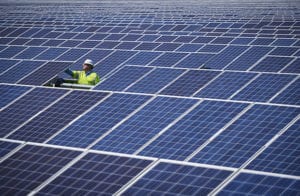
NewsEIA: Renewables Will Surge Past Coal, Nuclear to 22% of U.S. Power Mix in 2021
The U.S. Energy Information Administration (EIA) in its first forecast for 2021 suggests the share of renewables in the utility-scale U.S. power generation mix will surge to 22%, up from 17% last year, while coal and nuclear’s shares will be further diminished. According to the agency’s latest Short-Term Energy Outlook (STEO), released Jan. 14, coal’s […]
-
 Nuclear
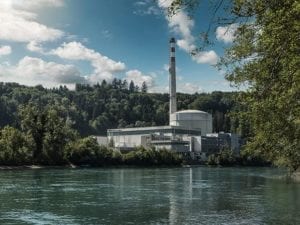
A Decade of Turmoil: How Nuclear and Coal Have Struggled to Survive
The past 10 years have been filled with trials and tribulations for both the nuclear and coal power industries. From accidents to plant closures there has been little to cheer about. Still, nuclear and coal power continue to provide reliable baseload generation to billions of customers around the globe. Here’s a look back at the […]
-
 News
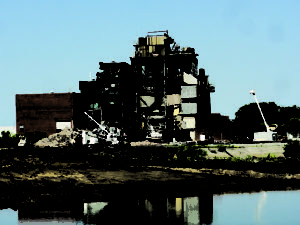
NewsWell-Planned Retirement: Keys to Successful Coal Plant Decommissioning
Hundreds of coal-fired power plants are now retired or facing retirement in the near future, and utilities face a number of decisions. Are there commercial reuse options for the plant or the site itself? Are
-
 History
Why the 2010s Were a Definitive Decade for Power
Every one of the 13 decades that POWER magazine has been in print has been definitive for electric generation technology, policy, and business in some significant way, but few have been as transformative as the 2010s. The decade opened just as the global economy began to crawl toward recovery from a historically unprecedented downturn that […]
-
 News
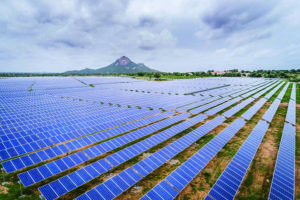
NewsEIA: Renewables Will Account for Half of Global Power Generation by 2050
Solar power is expected to take a larger share of global power generation across the next 30 years, according to the U.S. Energy Information Administration (EIA), as renewable energy continues to be adopted worldwide. The EIA’s International Energy Outlook 2019 (IEO2019), released Oct. 2, shows 28% of the world’s power came from renewables in 2018, […]
-
 News
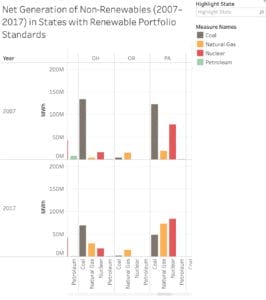
NewsHow Net Generation Has Changed in States with Renewable Portfolio Standards
As of August 2019, 29 U.S. states and the District of Columbia had renewable portfolio standards (RPSs), and eight others had non-binding renewable portfolio goals. Three states also had clean energy standards, which set targets for low-carbon non-renewables, like nuclear, and two had clean energy goals. Our monthly infographic in September 2019 shows how shares for each […]
-
 News
NewsTHE BIG PICTURE: Renewable Portfolio Standards
As of August 2019, 29 U.S. states and the District of Columbia had renewable portfolio standards (RPSs), and eight others had non-binding renewable portfolio goals. Three states also had clean energy standards, which set targets for low-carbon non-renewables, like nuclear, and two had clean energy goals. Shown in the bars below are the shares of generation by source […]
-
 News
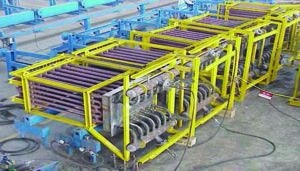
NewsChanging Power Market Conditions Warrant Smart Boiler Services
There have been a lot of changes in how power plants do business. As financial pressure mounts and lean-staffing strategies are implemented, finding time to do all the work that needs to be done can be a
-
 News
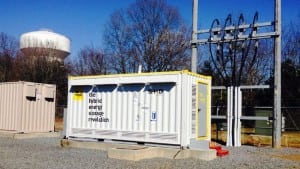
NewsInvestments in Energy Storage Grow as Battery Costs Fall
A new report released July 31 details continued growth in global energy storage, driven by lower costs for lithium-ion batteries. Research company BloombergNEF (BNEF) in its latest forecast published Wednesday said energy storage installations worldwide will grow across the next two decades, from the 9 GW/17 GWh of capacity deployed as of last year, to […]
-
 News
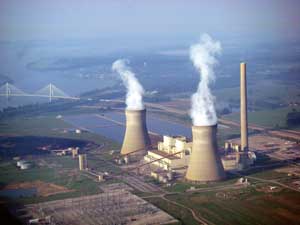
NewsAEP Will Close 1,300-MW Indiana Coal Unit
A federal judge in Ohio on July 18 approved American Electric Power’s (AEP’s) plan to close Unit 1 of its two-unit, 2,600-MW coal-fired Rockport Plant in Indiana. The modified consent decree approved by the U.S. District Court for the Southern District of Ohio on Thursday is the latest chapter in a long-running dispute among AEP, […]
-
 Fuel
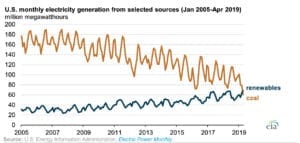
FuelAs Renewables Surge Ahead of Coal, Lawmakers Introduce National Renewable Standard
A bill introduced by Senate Democrats on June 26 establishes a national electricity standard that would require large retail suppliers to source at least 1.5% of their power from renewables by 2020 and gradually grow that share through 2035. The measure comes a day after the Energy Information Administration (EIA) revealed monthly generation from renewable […]
-
 News
NewsEIA: Gas, Renewables Outpacing Coal for Power Generation
The percentage of coal-fired generation in the U.S. electricity mix will continue to decline, the Energy Information Administration (EIA) said May 9, with gas-fired generation accounting for at least 40% of the nation’s power this summer and output from renewables continuing to rise. EIA’s latest Short-Term Energy Outlook (STEO) said coal-fired units will produce only […]
-
 News
NewsRenewables Provided 18% of U.S. Power Generation in 2018
Renewable generation in the U.S. has doubled over the past 10 years. In 2018, generation from solar, wind, hydro, and other renewables soared to a record 742 TWh—or 17.6% of total U.S. generation. According to the Energy Information Administration (EIA), since 2008—when renewables provided 382 TWh—wind generation rose from 55 TWh and generated 275 TWh […]
-
 Renewables
How Did MATS Affect U.S. Coal Generation?
Industry aggressively fought the Mercury and Air Toxics Standards (MATS) when the Obama administration proposed it in 2011 and finalized it in February 2012, warning it would precipitate the closure of a swathe of coal capacity nationwide. Six years later, the rule appears to have had a sizable impact on the power sector, but not […]
-
 Infographics
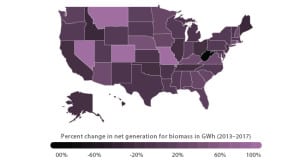
Interactive Chart: Change in U.S. Biomass Generation (2013 to 2017)
While the larger conversation about plant economics and mass retirements in the U.S. has been focused on coal and nuclear power plants, the nation’s much smaller biomass power industry is grappling with similar issues in markets where cheap natural gas, wind, and solar generation resources are proliferating. See more at: “U.S. Biomass Power, Dampened by […]
-
 Infographics
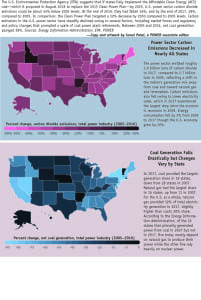
THE BIG PICTURE: A Power Sector Carbon Decline
The U.S. Environmental Protection Agency (EPA) suggests that if states fully implement the Affordable Clean Energy (ACE) rule—which it proposed in August 2018 to replace the 2015 Clean Power Plan—by 2025, U.S. power sector carbon dioxide emissions could be about 34% below 2005 levels. At the end of 2016, they had fallen 24%, and by the end […]
-
 Fuel
FuelU.S. Biomass Power, Dampened by Market Forces, Fights to Stay Ablaze
Though experts say biomass should continue to play a key role in the U.S. renewable power portfolio for its baseload properties, contributions to forest management, and other reasons, a swathe of uneconomic