
For decades, utilities have deployed distributed generation along distribution circuits primarily for single-circuit capacity support and voltage regulation. While these applications remain valuable, a broader opportunity is emerging: siting generators directly at substations to unlock system-level benefits that extend far beyond any single feeder.
For rural electric cooperatives, municipal power systems, and even investor-owned utilities seeking flexible capacity solutions, substation-sited generation offers a compelling value proposition—often delivering multiple benefits simultaneously from a single installation.
COMMENTARY
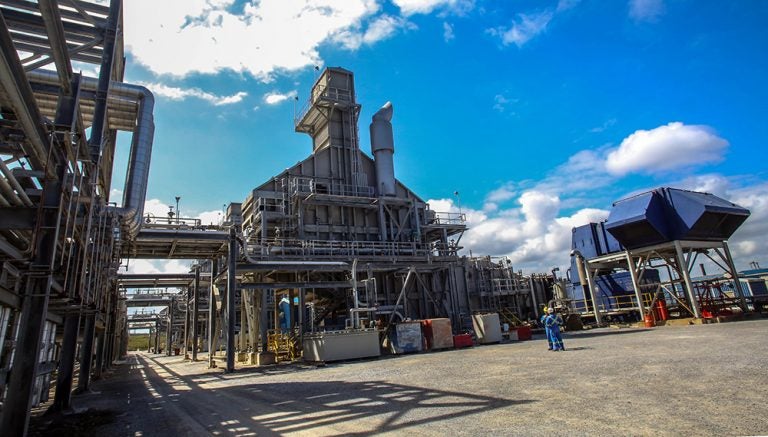
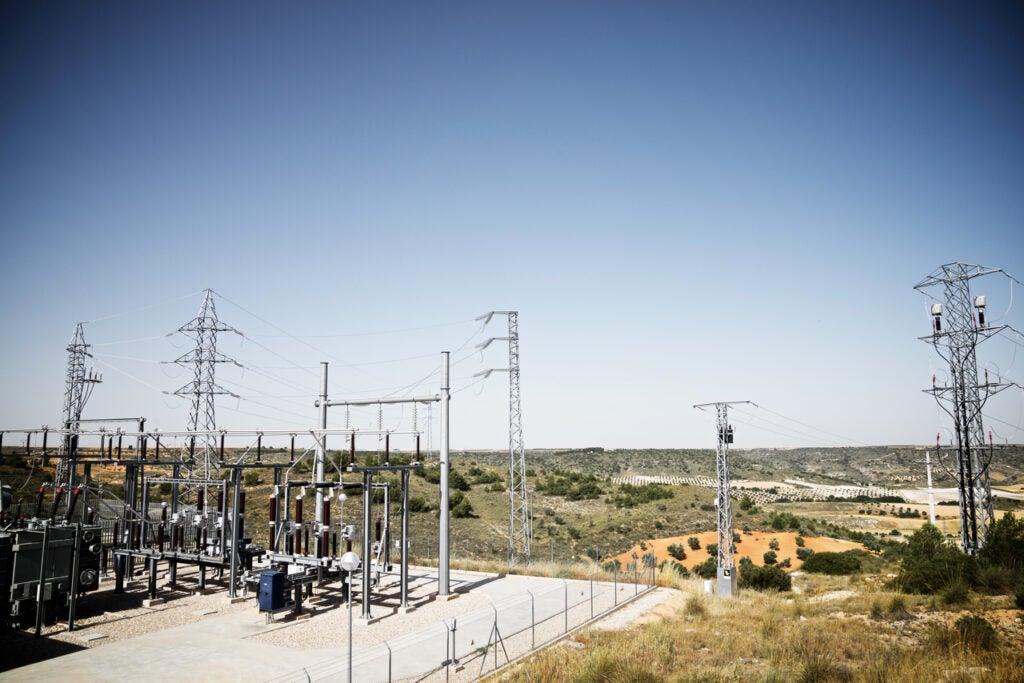
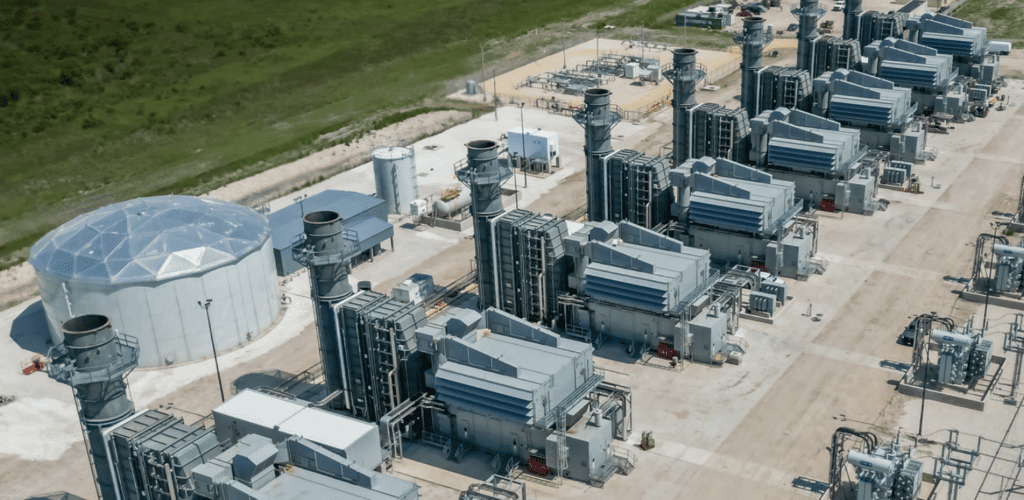
Mesa Power Solutions provides natural gas and propane-fired generators in both stationary and portable configurations. These units can be installed within or adjacent to existing substations, transforming these critical nodes into sources of dispatchable generation that serve the broader system. Depending on a utility’s needs, total installed capacity at a substation might typically range from 2 MW to 30 MW. Below are five distinct advantages utilities can realize from this approach.
Meeting System Peak Capacity Requirements
Every utility faces the challenge of meeting peak demand, and capacity shortfalls—whether due to load growth, generation retirements, or supply constraints—can result in costly emergency purchases or reliability concerns. Substation-sited generators offer a practical solution for adding peaking capacity precisely where it enters the distribution system.
A key advantage of this approach is fuel flexibility. While natural gas provides economical operation for extended run times, propane stored on-site eliminates dependence on pipeline infrastructure for peaking applications. A utility might determine, for example, that eight hours of supplemental peaking capacity is needed during summer demand peaks. By sizing on-site propane storage accordingly, that capacity becomes available regardless of gas system constraints or curtailments. This independence from real-time fuel delivery makes substation generation particularly attractive for cooperatives and municipal systems serving areas with limited gas infrastructure.
Emergency Resilience During Transmission Outages
Transmission system reliability is never guaranteed. Equipment failures, severe weather, or upstream system emergencies can interrupt the flow of power to substations, leaving entire distribution networks without supply. When generators are pre-positioned at the substation, they can be activated to energize distribution circuits and maintain service to customers during transmission outages.
This emergency resilience capability transforms the substation from a passive delivery point into an active resource that can island and sustain local load. For utilities serving customers who depend on reliable power for agricultural operations, medical equipment, or essential services, this capability represents a meaningful improvement in service reliability. The generators effectively provide backup for the transmission system itself, offering a layer of protection that was previously unavailable without costly redundant transmission facilities.
Mitigating Rolling Blackout Impacts
Regional transmission organizations and reliability coordinators occasionally mandate rolling blackouts to balance supply and demand during system emergencies. These controlled outages, while necessary for grid stability, create hardship for affected customers and can damage the utility’s relationship with its community.
Substation-sited generation allows utilities to bridge these mandatory curtailment periods. When the regional authority calls for load shedding, the utility can activate its generators to cover the required reduction, maintaining service to customers who would otherwise experience interruption. This capability is particularly valuable for municipal systems and cooperatives where customer satisfaction and community relations are paramount, and where the economic and social costs of blackouts fall directly on the utility’s member-owners.
Participation in Regional Power Markets
For substations interconnected within organized regional markets, on-site generation opens opportunities for economic dispatch and market participation. Generators can be offered into energy markets during periods of high prices, generating revenue that offsets capital and operating costs. They can also participate in capacity markets, providing committed resources that earn capacity payments.
This market participation transforms substation generation from a pure cost center into a potential revenue stream. Municipal systems and cooperatives with power supply portfolios can use these resources strategically—running when market prices exceed operating costs and remaining idle when wholesale power is less expensive. The economic optimization possible through market engagement can substantially improve the business case for substation-sited generation.
Portable Generation for Distribution System Emergencies
When generators are deployed in portable configurations, they offer an additional dimension of flexibility: the ability to relocate assets to serve critical loads along disrupted distribution circuits. Consider a scenario where a major storm damages distribution infrastructure serving a remote community, with restoration expected to take several weeks. Portable generators can be transported to that location and connected directly to serve critical facilities such as grocery stores, municipal buildings, or social services offices.
This mobile capability extends the value of the generation investment beyond the substation, providing emergency response options that address the most acute customer needs during extended outages. The same assets that provide system-level benefits during normal operations become front-line restoration tools during emergencies.
A Turnkey Approach
Mesa Power Solutions supports utilities throughout the implementation process—from arranging fuel supply and storage to collaborating with substation engineers on interconnection requirements and coordinating any necessary power system operating procedures. For utilities without existing SCADA coverage at target substations, Mesa’s built-in telemetry can integrate into the overall control scheme, ensuring reliable monitoring and dispatch capability.
Substation-sited generation represents an evolution in how utilities think about distributed resources. The opportunity to address capacity needs, enhance resilience, avoid blackout impacts, participate in markets, and respond to emergencies—potentially from a single installation—merits serious consideration as utilities navigate an increasingly complex operating environment.
—Tom Poteet is Senior VP Corporate Development at Mesa Power Solutions.