
Latest
-
 Legal & Regulatory
Coal Ash Utilization Surged in 2014 After Half-Decade of EPA Rule Uncertainty
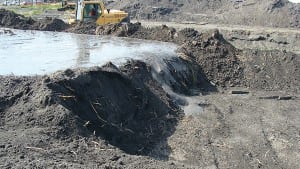
Coal ash utilization, which had stalled between 2009 and 2013 as the Environmental Protection Agency (EPA) prepared a final federal coal ash rule, increased significantly in 2014. According to the American Coal Ash Association’s (ACAA’s) most recent “Production and Use Survey,” 62.4 million tons of coal combustion products were beneficially used in 2014—up from 51.4 […]
-
 Legal & Regulatory
GAO: EPA Used Covert Propaganda to Promote WOTUS Rulemaking
The U.S. Government Accountability Office (GAO) issued a decision concluding that the Environmental Protection Agency’s (EPA’s) use of Thunderclap—a crowd-speaking social media platform that allows a single message to be mass-shared, flash-mob style—constituted “covert propaganda,” in violation of the publicity or propaganda prohibition. The decision was issued in response to a request from Sen. James […]
-
 Legal & Regulatory
COP21 Climate Deal Draws Praise, Fire
Delegates of 195 nations, including the U.S., on Dec. 12 reached a landmark deal at the Paris COP21 conference that commits the world to reducing greenhouse gas (GHG) emissions in an effort to combat the effects of climate change. Though scientists have said global temperature increases need to kept below 2 degrees C to avoid […]
-
 Legal & Regulatory
AEP Reaches Settlement on Ohio Coal-Fired Power Plants
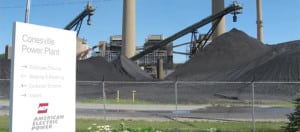
American Electric Power (AEP), through its subsidiary AEP Ohio, announced on Dec. 14 that it had filed a stipulated agreement with the Public Utilities Commission of Ohio (PUCO) in support of the company’s expanded power purchase agreement. Details of the Agreement The stipulated agreement, which the company expects the PUCO to rule on in early […]
-
Partner Content
Video: Condition Based Maintenance Demonstration for Power Generation
Demo: The PI System for Condition Based Maintenance
This video demonstration using the PI System for Condition Based Maintenance (CBM) includes the, management, analysis and presentation of historic and real-time data. You’ll see it from a plant engineer’s perspective, including operational data for a specific asset, notification, an event frame report, and how the process data -
Partner Content
eBook: Implementing Condition-Based Maintenance Using Real-Time Data
This guidebook provides recommendations for integrating operational data when implementing Condition Based Maintenance (CBM) solutions. Content includes:
– a getting started guide to developing a successful CBM implementation
– CBM configuration including quantitative and qualitative based meters
– a PI System ecosystem overview for condition monitoring
– CBM solution examples
….and more! -
 Legal & Regulatory
AEP to Withdraw From ALEC, Cut Funding for Clean Coal Coalition
American Electric Power (AEP), one of the biggest coal generators in the U.S., is withdrawing funds and staff resources from heavy lobbying efforts against the Clean Power Plan, sinking them instead into preparations for compliance with the controversial climate rule. The company has informed the American Legislative Exchange Council (ALEC) that it will not be […]
-
Partner Content
Case Study: Fingrid Oyj’s Investment in a Real-Time Condition Monitoring System Pays Off
With a network combining about 14,000 km of transmission lines and more than 100 substations, Fingrid Oyj, the electricity transmission operator in Finland, needed to find new ways to optimize network reliability while minimizing maintenance and investment costs. Download this case study to find out how they accomplished this.
#download
{
background-image: url(https://partners.decisionbriefs.com/osisoft/wp-content/plugins/decisionbriefs-partners/content/icons/download-icon.png);
background-repeat: no-repeat;
padding-left: 54px;
padding-top: 18px;
height: 30px;
font-size: 16px;
clear:both;
}Download
-
 Legal & Regulatory
Political Opposition to Clean Power Plan Looms Large, Experts Say
The Environmental Protection Agency’s (EPA’s) Clean Power Plan (CPP) is likely to be complicated at least as much by political and legal opposition as by technological challenges in reducing carbon emissions, several speakers at POWER magazine’s inaugural conference on legal issues in the generation industry noted on Dec. 7 in Las Vegas. “Navigating Legal Implications of […]
-
 Legal & Regulatory
Amid “Corporate Welfare” Flak, FirstEnergy Gets Davis-Besse Extension
FirstEnergy Corp., which may enter into a settlement with Ohio to safeguard the future of its Davis-Besse nuclear plant—a deal critics have blasted as “corporate welfare”—just got the Nuclear Regulatory Commission’s permission to operate the 1978-built reactor until 2037. The 20-year license extension marks a milestone for Akron-headquartered FirstEnergy, which has warned it might have […]