
Latest
-
News
Study: Deregulated Generators Continue Reaping Profits Despite Economic Downturn
Owners of unregulated power generation in the Mid-Atlantic continued to enjoy high profits in 2008, despite the economic downturn, according to a study of financial data released on Monday by the American Public Power Association (APPA).
-
Wind
Gone with the Wind
Secretary of the Interior Ken Salazar, speaking in Atlantic City on April 6, added more hot air to the discussion about offshore wind when he stated that windmills off the East Coast could generate enough electricity to replace most, if not all, of the coal-fired power plants in the U.S. I’m disappointed Salazar didn’t take a few minutes for fact-checking and back-of-the-envelope ciphering before his speech.
-
 Waste to Energy
Microbe Turns Carbon Dioxide into Methane
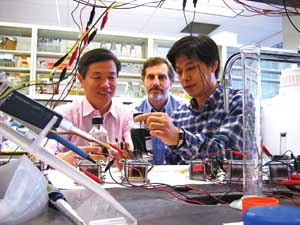
Microbe Turns Carbon Dioxide into Methane A team of Penn State engineers say that a tiny self-perpetuating microbe can take electricity and directly convert carbon dioxide and water into methane, potentially producing a portable energy source with a carbon-neutral footprint. Methanogenic microorganisms produce methane in marshes and dumps, but scientists thought that the organisms turned […]
-
 O&M
Steam Turbines: San Onofre Nuclear Generating Station Gets Upgraded Generator Rotors
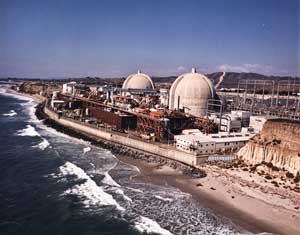
Southern California Edison’s (SCE) 2,250-MWe San Onofre Nuclear Generating Station (SONGS) recently took receipt of a new and upgraded generator rotor for one of its two Alstom steam turbine generator units (Figure 1). Following the successful installation and flawless start-up of this new rotor in the Unit 2 generator, the former Unit 2 rotor was […]
-
Legal & Regulatory
Looking Downstream After the Cooling Water Case
In the wake of the recent U.S. Supreme Court ruling related to cooling water intake practices at large power plants, many utilities are relieved to be off the hook as far as implementing expensive control upgrades to protect fish and other aquatic organisms.
-
 O&M
Advanced Modeling Tools Slash Combustor Analysis Chores
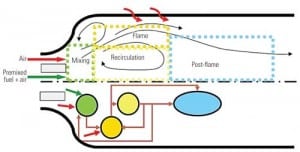
Combustor design simulation requires the resolution of complex geometry, turbulent flow patterns, heat transfer, and detailed chemistry. Although computational fluid dynamics (CFD) can simulate the reacting flow in realistic geometries, it requires the use of severely restricted chemistry models that are too simple to accurately simulate emissions and operational stability. A new simulation tool is now available that eliminates this CFD shortcoming while significantly reducing computing time.
-
 Coal
Canada Moves to Rebalance Its Energy Portfolio
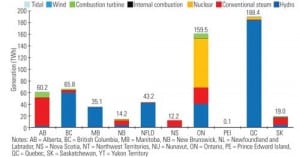
Though Canada is rich in fossil fuels, nuclear power may fuel a significant portion of the nation’s future electrical generation needs, especially in provinces that have traditionally relied on hydropower and fossil fuels.
-
 O&M
Turkey Opens Electricity Markets as Demand Grows
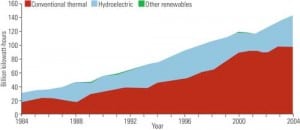
Turkey’s growing power market has attracted investors and project developers for over a decade, yet their plans have been dashed by unexpected political or financial crises or, worse, obstructed by a lengthy bureaucratic approval process. Now, with a more transparent retail electricity market, government regulators and investors are bullish on Turkey. Is Turkey ready to turn the power on?
-
 Coal
CHP: Helping to Promote Sustainable Energy
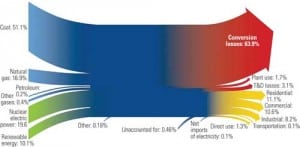
Because combined heat and power (CHP) plants optimize energy use, they cut fuel costs and pollution. Even though U.S. power plants have been using CHP for decades, today’s energy experts have a newfound appreciation for its ability to promote sustainable energy use.
-
 O&M
Focus on Organics in Steam
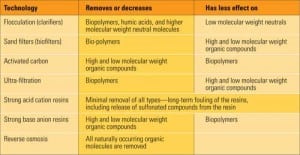
Organic compounds can enter the steam cycle from a number of sources, including water treatment chemicals, or as part of a manufacturing process. Regardless of the source of the organics, their effects range from fouling polisher resins to causing significant steam turbine damage. Conventional water pretreatment systems are available to remove organics from water, but removing organic compounds at their source is the best place to start addressing the problem.