
Latest
-
 Geothermal
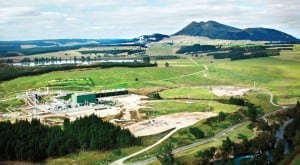
140-MW Geothermal Plant Starts Up in New Zealand
One of the world’s largest geothermal power stations was officially opened this May on New Zealand’s North Island. A joint venture between Mighty River Power and Tauhara North No. 2 Trust, the new 140-MW Nga Awa Purua Geothermal Power Station increases geothermal’s share of power in New Zealand to around 14%—a proportion that has more than doubled since 2005.
-
Gas
Qatar Opens 2,000-MW Gas Plant
The gas-rich emirate of Qatar, holder the world’s third-largest gas reserves, inaugurated another massive 2,000-MW gas power plant in the industrial city of Mesaieed, south of the capital Doha this May.
-
Business
POWER Digest (July 2010)
Alstom and Schneider Electric Close AREVA T&D Acquisition Deal. Alstom and Schneider Electric on June 7 closed a €2.29 billion (US$2.75 billion) transaction to acquire AREVA’s transmission and distribution arm, AREVA T&D, after obtaining approvals from relevant competition authorities and the French Commission des Participations et des Transferts. A consortium agreement for the joint acquisition […]
-
Legal & Regulatory
Climate Change: Avoid Political Thickets
A federal judge recently dismissed a lawsuit in which the plaintiffs alleged that defendants’ production of chemicals and electricity had “added to the ferocity of Hurricane Katrina.” The judge’s reasoning reveals the inherent limitations of courts unilaterally initiating policies to address climate change issues.
-
 History
China: A World Powerhouse
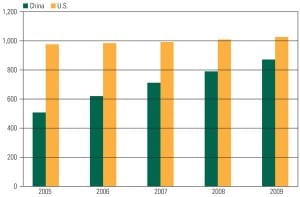
It’s no surprise that China leads the world in recent power capacity additions. What may surprise you is the precise mix of options this vast country is relying upon to meet its ever-growing demand for electricity. As a result, this ancient civilization is fast becoming the test bed and factory for the newest generation and transmission technologies.
-
 Water
WaterReACT Reduces Emissions and Water Use
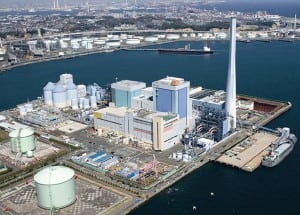
Regenerative activated coke technology (ReACT) is an integrated multipollutant control approach that removes SOx, NOx, and Hg from coal-fired plants by adsorption with activated coke to attain emissions levels found at natural gas–fired plants. One big advantage of this technology is that it uses only a fraction of the water used by conventional wet flue gas desulfurization. A recent license agreement brings this technology to the U.S.
-
 Water
WaterCirculating Fluid Bed Scrubbers Bridge the Gap Between Dry and Wet Scrubbers
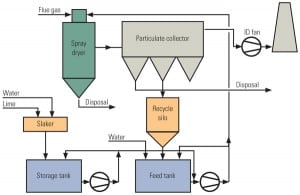
Circulating fluid bed (CFB) dry scrubbing technologies provide distinct advantages over conventional spray dryer absorber scrubbers for removing SO2 from flue gases. The CFB also competes well against wet limestone flue gas desulfurization processes typically favored for large boilers firing high-sulfur coals. With high SO2 removal rates in a dry treatment process, the CFB scrubber appears to be the best of both technologies: a water-stingy scrubber with high SO2 removal rates.
-
 Coal
CoalDrax Offers Model for Cofiring Biomass
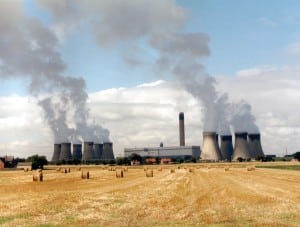
When it is completed, later this summer, the UK’s Drax Power Station biomass facility will become the largest dedicated cofiring project of its kind in the world. As U.S. coal-fired generators come under increasing pressure to cut emissions and take advantage of incentives to promote power generation from renewables, Drax offers an example of what is possible.
-
 O&M
O&MUse Dry Fog to Control Coal Dust Hazards
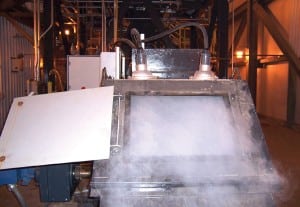
Fogging systems have been successfully used in the material-handling industry for more than 30 years to control explosive dust at transfer points. Today, fogging systems are an EPA Best Demonstrated Technology for subbituminous coal preparation plants.
-
Environmental
Regulations and Economics Drive Wet FGD Upgrades
Today’s coal-fired power plants face the twin challenges of improving their wet flue gas desulfurization (FGD) systems’ emission control capabilities in order to comply with environmental regulations while at the same time cutting their operational and maintenance costs. Smart strategies for retrofitting existing FGD systems can help plant personnel meet both of these objectives.