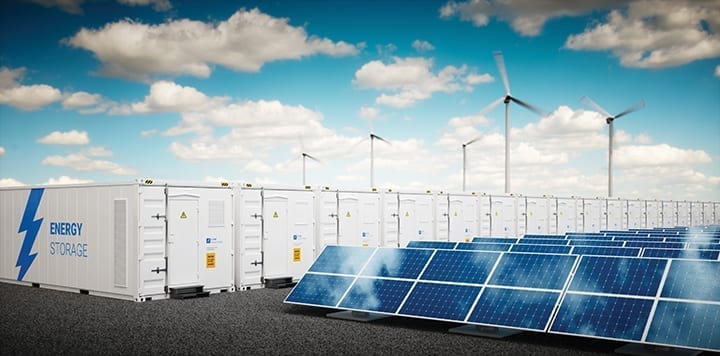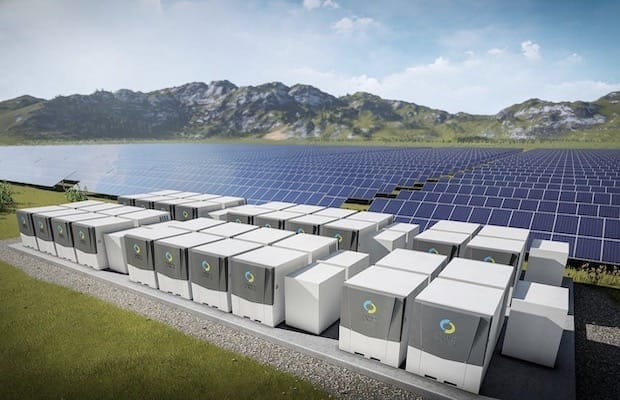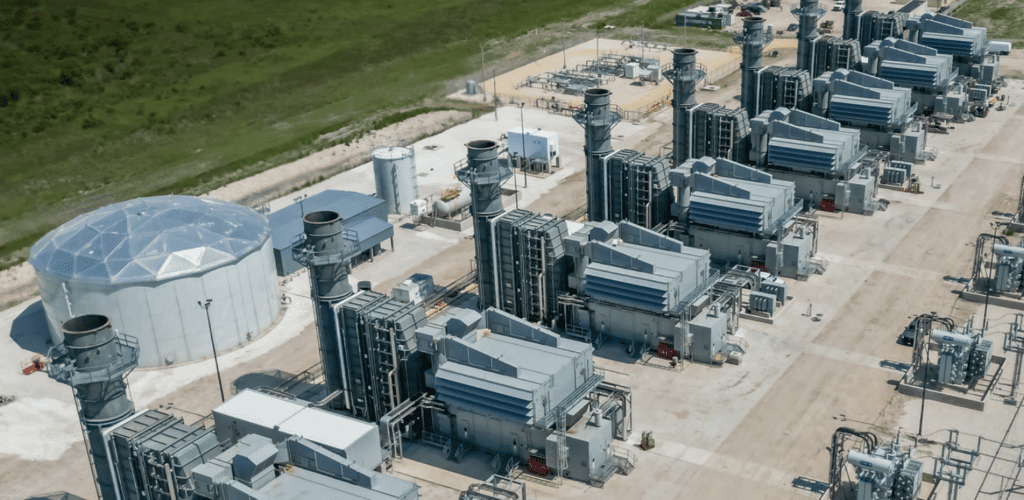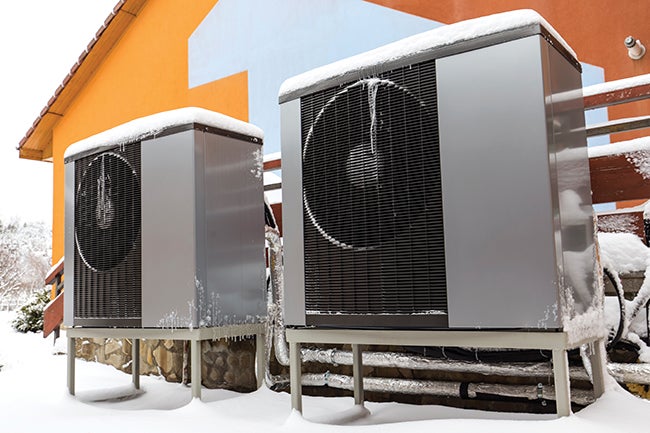
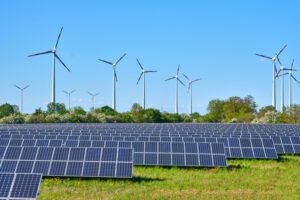
The energy industry continues to transition at a rapid pace. Across nearly every market, renewables are reliably and economically transitioning the grid from fossil fuels. Artificial intelligence (AI) is being embraced throughout the supply chain. Battery energy storage continues to expand exponentially. Plus, retail suppliers and their customers are increasingly responsible for the generation of the energy itself.
Renewables Are Driving Grid Transformation
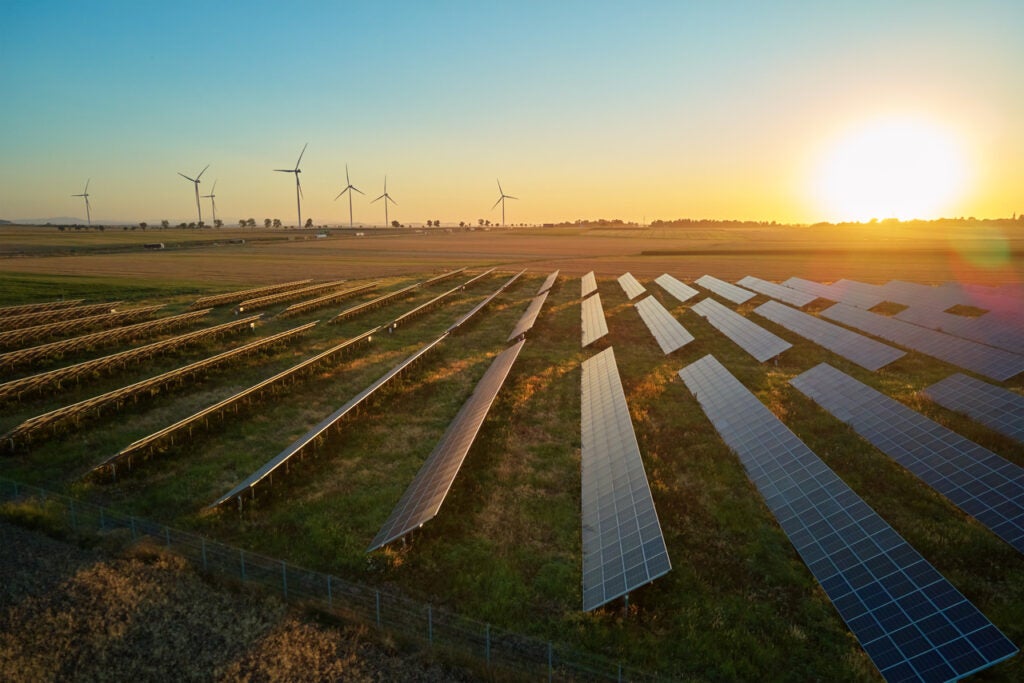
Renewables are getting cheaper all the time. Last summer, we saw solar power account for 11.6% of the Electric Reliability Council of Texas’s (ERCOT’s) total summer demand—a 40% increase from the year before. The transformation in California has been equally pronounced. In those regions, solar energy is playing a key part to overall grid reliability, especially during times when the grid is most tested.
COMMENTARY
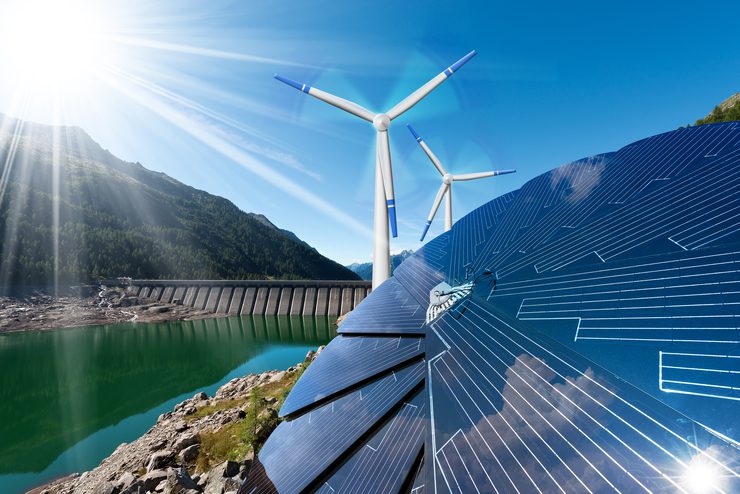
Of course, as well as the desire to be green, the path toward net zero is equally being driven by economics. Renewable energy production is getting cheaper and cheaper. The capital expenditure required for solar panels and batteries is coming down all the time. This has made them far more palatable than they were in the past.

In addition, there continue to be government subsidies available in many regions. The average cost of generating a MWh of electricity is now as little as $27 for onshore wind farms, and $29 for solar photovoltaic, even before government subsidies are taken into account. This compares favorably with the up to $108 per MWh it costs with natural gas, and the $168 per MWh it costs with coal.

In This Issue
Full issueEfficiency Challenges and Customer Participation
Efficiency gains are still needed. Continued growth in solar capacity will push renewables’ share of total energy produced even higher over the next few years. In fact, according to ERCOT data, the Texas grid expects an additional 6,380 MW of solar capacity to be added to the system this year alone.
However, there is no doubt that efficiency gains could be improved. After all, it is said that 6% to 10% of energy is still lost during its journey through the grid. This is primarily due to the waste heat released in the air when it is traveling through power lines, and it also includes conversion losses in transformers and other line equipment. Having customers deploy their own generation methods can help mitigate such line losses, and will reduce the strain on the grid.
As such, many energy retailers are now incentivizing both residential and corporate customers to assist with the generation side. We are also seeing the emergence of suppliers entering the market as 100% “Gentailers,” bringing their own generation resources to maximize margins.
It is not all rosy, however, and the power sector is still learning about new patterns. While the ongoing transition toward net zero has to be applauded, it does disrupt both the supply side and the demand side of the energy ecosystem. Electric vehicles (EVs), residential solar, and electric heating are changing demand patterns past anything we have seen before. At the same time, an increase in renewables on the grid can make supply more difficult to predict. After all, a wind farm cannot produce electricity without wind, and a solar farm cannot produce electricity without the sun.
Digital Technologies and Battery Storage Power the Future
Luckily, AI is very effective at learning these new patterns and deploying models into use rapidly to support demand flexibility. The benefits can be immediate. By better predicting when the energy system will experience an imbalance in supply and demand means that the charging of EVs, for example, can be scheduled better. The reward is cheaper electricity for all.
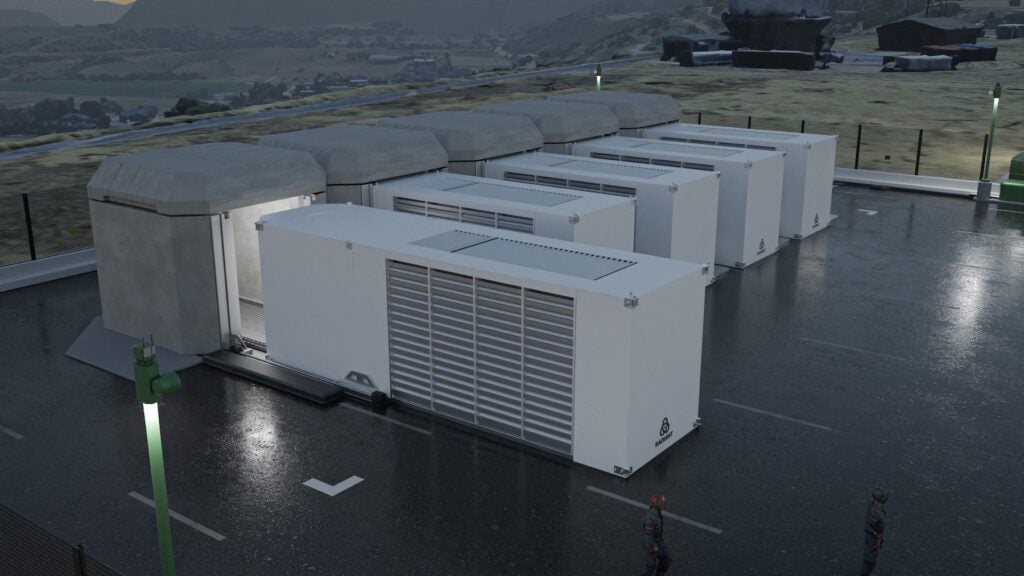
Much of the digital transformation, and increase in the use of renewable energy on the grid, can be attributed to the improvement in battery energy storage technologies. Modern lithium-ion batteries have far better energy density than in the past, allowing for longer-lasting batteries in smaller, lighter packages. The transformation has been rapid, too. Just four years ago, there was essentially zero battery energy storage capacity across the grid in the U.S. Now there is more than 20,000 MW, and it is increasing monthly.
Battery storage is playing an important role in helping with net peak demands for power, which generally occur after the sun has set and solar generation has ended. Without the additional energy from batteries flowing back onto the grid during these net peak hours, additional thermal generation from non-renewable means would be required.
Even amid a changing regulatory and policy environment, particularly for renewable energy, the power sector continues to transition at an impressive rate. The amount of solar power and battery energy storage capacity, in particular, has risen sharply over the past couple years and is expected to continue climbing in the future.
With the weather extremes we are increasingly seeing, the transition to cleaner forms of energy, and efforts to make the power grid more reliable and resilient, is being supported by renewable energy and battery energy storage. The use of these technologies feels particularly timely, and is helping illustrate how renewables and storage can reliably produce power as many countries move away from fossil fuels. It’s a transition that feels like a win for energy consumers, and a win for the power generation industry.
—Matt Tormollen is CEO of POWWR, a solutions provider for the global energy marketplace.