
MATS
-
 Legal & Regulatory
Unintended Consequences from EPA Rules
New rules from the Environmental Protection Agency (EPA) have several unintended consequences for the power sector, an expert said at a POWER magazine event on Dec. 7. Floyd Self, an attorney with Florida-based law firm Berger Singerman, said that the bevy of new EPA rules have helped forged mergers between electric and gas utilities and necessitated […]
-
 Legal & Regulatory
Don’t Fear the Clean Power Plan, Chief EPA Lawyer Says
The power sector should view the Environmental Protection Agency’s (EPA’s) recent drive to tighten regulations on air and water emissions as an opportunity to improve its efficiency and environmental footprint rather than as an obstacle, said EPA General Counsel Avi S. Garbow at POWER magazine’s inaugural conference on legal issues in the generation industry. “We want […]
-
 Legal & Regulatory
Costs of MATS Don’t Change Rule Justifications, EPA Says
The Environmental Protection Agency (EPA) on Nov. 20 issued a supplemental finding that consideration of costs does not affect its previous conclusion that regulation of coal- and oil-fired power plants is “appropriate and necessary” under section 112 of the Clean Air Act. The finding was in response to a June decision by the U.S. Supreme […]
-
 Commentary
Get Ready for MATS 2.0
On June 29, much of the power sector rejoiced when the U.S. Supreme Court struck down the Environmental Protection Agency’s (EPA’s) Mercury and Air Toxics Standards (MATS) rule, finding that the EPA had
-
 Legal & Regulatory
Committed to “Ambitious Schedule,” EPA Wants to Reissue MATS Rule by April 2016
The Environmental Protection Agency (EPA) will issue revised Mercury and Air Toxics Standards (MATS) and legally required cost-benefit analyses by April 15, 2016, court documents show. In an Aug. 10 motion filed with the D.C. Circuit for White Stallion Energy Center v. EPA (12-1100), the EPA said it intends to seek remand without vacatur (which […]
-
 Renewables
Report: Power Plant Air Emissions Continue Steady Decline
In a report released this week, M.J. Bradley & Associates found that in 2013 power plant SO2 emissions were 80% lower and NOx emissions were down 74% compared to releases in 1990—the year Congress passed major amendments to the Clean Air Act. The report, Benchmarking Air Emissions of the 100 Largest Electric Power Producers in […]
-
 Legal & Regulatory
McCarthy: Supreme Court Decision on MATS Won’t Affect the Clean Power Plan Rule
Environmental Protection Agency (EPA) Administrator Gina McCarthy remains firm in her resolve to create a landmark rule to reduce carbon emissions from power plants later this year. Speaking at the St. Regis Hotel in Washington, D.C., during an event sponsored by AREVA and hosted by The Christian Science Monitor, McCarthy said, “Last week’s ruling will […]
-
 Legal & Regulatory
The Voters Were Right: Colorado and Minnesota’s Paths to Clean Energy
Voters in Colorado and stakeholders in Minnesota forced through unique managed generation transformation plans that paved the way for aggressive state renewable and clean energy standards—inadvertently pushing their utilities out in front of proposed and now actual federal policies. As the power industry struggles with rising costs of adaptation, many beleaguered executives are anxiously focusing […]
-
 Coal
CoalUsing an Optical PM CEMS with Wet FGD for MATS Compliance
Of the three ways to comply with the Mercury and Air Toxics Standards for particulate matter (PM) measurement, using an optical PM continuous emissions monitoring system (CEMS) also delivers valuable side benefits, especially for units using wet flue gas desulfurization (FGD). Editor’s Note: This issue was published before the June 29, 2015, ruling by the […]
-
 Legal & Regulatory
Supreme Court Strikes Down EPA’s MATS Rule
In a 5–4 decision announced on June 29, the U.S. Supreme Court overturned the Environmental Protection Agency’s (EPA’s) rules limiting mercury and other hazardous air pollutants released from power plants. In April 2014, the U.S. Court of Appeals for the D.C. Circuit upheld the Mercury and Air Toxics Standards (MATS), ruling in a 2–1 decision […]
-
 Legal & Regulatory
How U.S. Power Generators Are Preparing for 2015
In mid-November, members of the POWER Generating Company Advisory Team responded via email to the following set of questions. Their comments have been edited for style. POWER: What changes in your fleet’s
-
Legal & Regulatory
Supreme Court Agrees to Consider MATS Case
The U.S. Environmental Protection Agency’s (EPA’s) Mercury and Air Toxics Standards (MATS) have been seen by many in the coal-fired power industry as potentially more expensive and onerous than its Clean Power Plan, which addresses greenhouse gases. On Nov. 25, the Supreme Court agreed to review a consolidated case that could potentially prevent the MATS […]
-
 Legal & Regulatory
EPA Finalizes Changes to MATS Startup and Shutdown Rules
The Environmental Protection Agency (EPA) on Wednesday finalized changes to the Mercury and Air Toxics Standards (MATS), applying to periods of startup and shutdown at new and existing coal- and oil-fired power plants nationwide. As published in the Federal Register on Nov. 19, the final action on the EPA’s reconsideration of the startup and shutdown […]
-
 Legal & Regulatory
A U.S. Power Industry Regulatory Update
The U.S. power sector has seen a number of developments on the regulatory front in recent months. Here’s where major federal rules stand today. (For a more dynamic and graphic version of this article, see http://powermag.com/long-form-stories/bw-power/ .) GHG Rules New Power Plants. The Environmental Protection Agency (EPA) in September 2013 revised a 2012 proposal to […]
-
 O&M
O&MNon-Carbon Reagent Injection for MATS Compliance
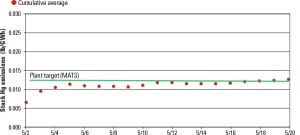
The upcoming implementation of the Environmental Protection Agency’s (EPA’s) Mercury and Air Toxics Standards (MATS) is putting pressure on coal-fired power plants to develop and implement compliance
-
 Legal & Regulatory
Power Plant Pollution Control Is Focus of Conference
Strategies for compliance with the Mercury and Air Toxics Standards led the list of topics covered during the Power Plant Pollutant Control “MEGA” Symposium held Aug. 19–21, in Baltimore, Md., but carbon dioxide (CO2) control solutions and sessions dealing with water problems weren’t far behind. The conference—hosted by the U.S. Department of Energy, the Electric […]
-
Coal
Is the U.S. Coal Fleet “Under Threat?”
The nation’s coal fleet is under threat, alleged Dr. Larry S. Monroe, chief environmental officer and senior vice president for research and environmental affairs with Southern Co. during the keynote plenary session at the Power Plant Pollutant Control “MEGA” Symposium on Aug. 19 in Baltimore, Md. Monroe was part of a four-member panel, which included […]
-
 Environmental
Is Your Plant Ready for MATS?
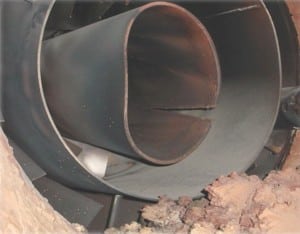
It has been more than two and a half years since the Environmental Protection Agency (EPA) issued national emission standards for hazardous air pollutants from coal- and oil-fired electric utility steam generating units (EGUs), and standards of performance for fossil fuel–fired electric utility, industrial/commercial/institutional, and small industrial/commercial/institutional steam generating units. Specifically, the rule created mercury […]
-
Legal & Regulatory
[UPDATED] Federal Court Upholds Final MATS Rule, Thwarts Industry Challenges
A federal court on April 15 upheld the Environmental Protection Agency’s (EPA’s) February 2012-finalized Mercury and Air Toxics Standards (MATS), ruling in a 2–1 decision that the agency is not required to take costs into account when it promulgates rules that are “appropriate and necessary” to address hazards to public health. In the U.S. Court […]
-
 O&M
O&MUsing Neural Network Combustion Optimization for MATS Compliance
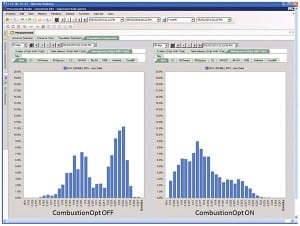
The Mercury and Air Toxics Standards (MATS), promulgated by the Environmental Protection Agency (EPA) on Dec. 21, 2011, set maximum achievable control technology (MACT) emission standards for specific classes
-
 Coal
CoalOptimized SCR Catalysts Maximize Mercury Removal Co-Benefits
The new Mercury and Air Toxics Standards (MATS) have given coal-fired power plant owners a short time to bring their plants into compliance with rules that require significantly less mercury (Hg) in stack