
fukushima
-
 Nuclear
Japan Restarts Unit at World’s Largest Nuclear Power Plant
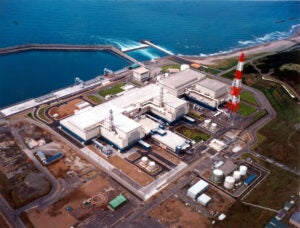
The world’s biggest nuclear power plant is again operating, after an earlier attempt to bring the facility back online was suspended due to an equipment problem.
-
 Nuclear
Japan Prepares to Restart Unit at World’s Largest Nuclear Power Plant
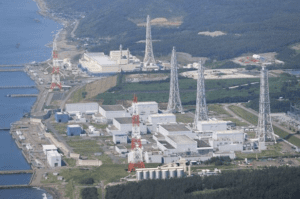
Local government officials in Japan have given approval for the restart of a reactor at the world’s largest nuclear power plant. The Kashiwazaki-Kariwa facility, where seven reactors have total generation capacity of nearly 8,000 MW, has sat idle since early 2012 in the wake of the Fukushima nuclear disaster in 2011, which caused Japan to shut down its nuclear power industry.
-
 Top Plant
Shimane 2 Highlights Progress in Japan’s Nuclear Restart Program
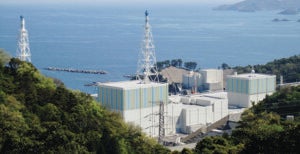
The Unit 2 reactor at the Shimane nuclear power station resumed operation in January 2025, more than a decade after it, and all other reactors in Japan, were taken offline. Japanese officials want restarted nuclear units to help supply needed power and lower the cost of energy across the country.
-
 Wind
WindJapan’s Largest Onshore Wind Farm Begins Commercial Operation
Japan’s largest onshore wind farm has entered commercial operation. GE Vernova’s Onshore Wind business, the turbine supplier for the project, on April 3 said the Abukuma wind farm has begun producing power, with the 147-MW wind farm utilizing 46 of GE Vernova’s 3.2 MW–103-meter onshore wind turbines. The Abukuma facility was designed by Fukushima Fukko […]
-
 Nuclear
Tear It Down or Start It Back Up? Plant Owners Weigh Options Around Retired Reactors
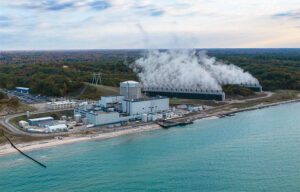
Nuclear power plants are still being dismantled, and the business of decommissioning remains strong, but the need for more baseload power and emissions-free generation has some companies ready to restart idled
-
Nuclear
Japan Could Be Nearing Restart of World’s Largest Nuclear Power Plant
The world’s largest nuclear power plant, among the facilities taken offline after the 2011 Fukushima disaster in Japan, could be nearing a restart. Japanese media reported that on March 14, Takeshi Saito—Japan’s minister of Economy, Trade and Industry—asked Hideyo Hanazumi, the governor of Niigata Prefecture, for permission to restart the first of seven reactors at […]
-
 Coal
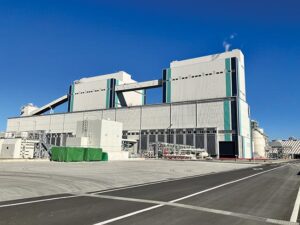
CoalCoal Continues as Key Part of Japan’s Energy Mix
Japan’s energy mix is in flux as the country slowly brings idled nuclear reactors online. The 2011 Fukushima disaster upended the nation’s power generation, resulting in more reliance on coal and natural
-
 Wind
WindOnshore Wind Farm Part of Fukushima Rebuild in Japan
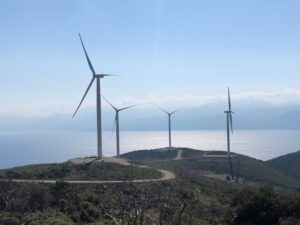
GE Vernova announced it will supply the turbines for an onshore wind farm being developed in Japan, an energy project that is part of the effort to support industry in the area impacted by the Fukushima disaster in 2011. GE Vernova’s Onshore Wind business on Jan. 31 said that Abukuma South Wind Power LLC selected […]
-
 Nuclear
12 Nuclear Reactors Operating in Japan After Takahama Unit 2 Restart
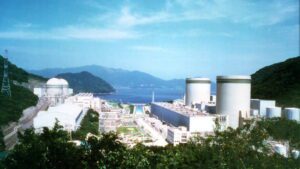
Japan’s Kansai Electric Power has restarted another reactor at its Takahama nuclear power plant, the 12threactor to be returned to service in that country since the Fukushima disaster in March 2011 led to the idling of Japan’s entire nuclear fleet. Kansai on September 15 said the 826-MW Takahama No. 2, which originally entered service in […]
-
 Nuclear
Japan Moving Forward on Nuclear Accident Tolerant Fuels
Efforts by Japanese nuclear fuel manufacturers to develop accident tolerant fuel (ATF) materials are making progress, and their commercialization is currently expected between 2030 and 2035 after key
-
 Nuclear
South Korean President: Country Needs More Nuclear Power
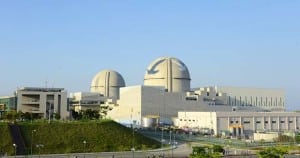
South Korean President Yoon Suk Yeol said his country’s push to be carbon-neutral by 2050 must include construction of more nuclear power generation, in a reversal of his predecessor’s call to move away from the technology. Yoon, speaking Jan. 16 at an event in the United Arab Emirates (UAE), said his country would renew its […]
-
 Nuclear
Nuclear Power Is Finally Poised to Ramp Up Again in Japan
The Japanese have been hesitant to re-embrace nuclear power following the triple reactor meltdowns at the Fukushima Daiichi plant in 2011, but there are indications that nuclear power could ramp up again in
-
 Hydrogen
Fukushima Hydrogen Energy Research Field Demonstrates Hydrogen Integration
The Fukushima Hydrogen Energy Research Field is revitalizing an earthquake-stricken region and providing a remarkable boost to Japan’s ambitions to launch a hydrogen society. While global interest in
-
 Press Releases
Jacobs Selected by TEPCO to Support Fukushima Clean-up
Framework to tackle environmental challenges at world’s most complex decommissioning site DALLAS – Jacobs (NYSE:J) was selected by Tokyo Electric Power Company Inc. (TEPCO) to support decommissioning of the Fukushima Daiichi nuclear power plant in Japan. Under a five-year framework agreement, Jacobs will draw on deep domain knowledge and decades of experience on major U.S. […]
-
 Nuclear
Fukushima Touched by Another Earthquake, Some Deficiencies Reported at Nuclear Plants
A 7.3-magnitude earthquake caused some deficiencies at two of the three nuclear power plants (NPPs) located in relatively close proximity to the fault, but it did not cause any safety concerns, according to Japan’s Nuclear Regulation Authority (NRA). The quake struck about 60 kilometers off the coast of Japan on March 16 at 2:36 p.m. […]
-
 Commentary
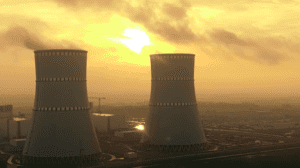
End the War on Nuclear Power—Start with Radiation
Governments and non-governmental organizations worldwide are clamoring for reduction in human-generated CO 2 emissions. Yet, America’s largest carbon-free energy source is regulated and demonized to the
-
 Nuclear
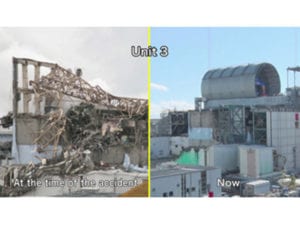
Fukushima’s Decade-Long Shadow Made Nuclear Safer
Koji Okamoto, director general of the Japan Atomic Energy Agency’s (JAEA’s) Collaborative Laboratories for Advanced Decommissioning Science (CLADS), can pinpoint the specific moment that cemented his
-
 News
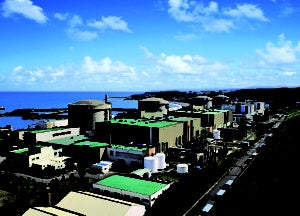
NewsSouth Korea Continues Nuclear Phase-out
South Korea has announced the permanent closure of another nuclear reactor, as the country continues to phase out thermal power generation and increase the use of renewable resources for electricity. The
-
 Hydrogen
THE BIG PICTURE: Hydrogen Power
Hydrogen is emerging as a formidable player in the energy transition, owing to its potential to decarbonize a range of sectors and its versatility. According to a June 2019–released report prepared for the G20 by the International Energy Agency (IEA) and the government of Japan, 76% of dedicated hydrogen produced today (around 70 metric tons) […]
-
News
TEPCO Says It Will Decommission Second Fukushima Nuclear Plant
Tokyo Electric Power Co. (TEPCO) on July 24 said it will decommission its Fukushima Daini nuclear station. The plant is located just south of the larger Fukushima Daiichi plant, site of a meltdown in March 2011 after an earthquake and tsunami heavily damaged the Daiichi facility. The four reactors at Daini automatically shut down after […]
-
 News
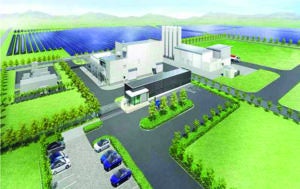
NewsJapan Will Explore New Avenues for Energy Self-Sufficiency
Japan’s government this June adopted a new energy white paper that suggests the country must rely on a larger share of nuclear and renewables to slash its carbon emissions and meet its target of a 26%
-
News
VIDEO: Progress and Challenges to Decommission Fukushima Daiichi
Tokyo Electric Power Co. (TEPCO), the Japanese utility that took on the behemoth task of controlling and decommissioning the six-unit Daiichi nuclear power plant in Fukushima prefecture after the March 11, 2011, accident, recently released a video showing progress at the site. Source: https://www4.tepco.co.jp/en/news/library/archive-e.html?video_uuid=t820ghcq&catid=61795 The disaster began as a 15-meter (49-foot) tsunami inundated and disabled the […]
-
 News
NewsTHE BIG PICTURE: Japan’s Nuclear Comeback
After the Great Tohoku Earthquake and tsunami, and ensuing crisis at the Fukushima Daiichi nuclear plant in March 2011, Japan issued stringent safety regulations and reviews that affected its entire 50-reactor fleet. It meant that as each Japanese nuclear reactor entered its scheduled maintenance and refueling outage, it could not returned to operation until restart […]
-
 News
NewsNRC Greenlights Final Rule Governing Nuclear Plant Mitigation of Severe Events
A final rule the Nuclear Regulatory Commission (NRC) plans to publish this spring to replace pivotal actions it issued after the Fukushima accident will require U.S. nuclear generators to ensure they can mitigate severe events at reactors within a two-year compliance timeframe. More than three years after it was proposed, the NRC’s five commissioners on […]
-
 Supply Chains
Japan Program for Reuse of Nuclear MOX Fuel in Doubt
The Japanese government has pushed for the reuse of mixed-oxide (MOX) fuel in the country’s nuclear reactors, but utilities that finance the reprocessing have not funded those operations since fiscal year 2016, according to financial reports released by the power companies on September 2. Japan’s KYODO News reported that sources said 10 utilities, including Tokyo […]
-
 Renewables
Japan’s New Energy Plan Commits to Renewables—And Nuclear and Coal, Too
Japan’s government on July 3 approved a new Basic Energy Plan for the country, saying it is committed to increasing the role of renewable resources for power generation while also confirming it wants nuclear power to remain a vital part of the nation’s energy strategy. Japan issues a revised Basic Energy Plan, which outlines the […]
-
Nuclear
Eighth Reactor Restarts in Japan, Seven Years After Fukushima
Unit 4 of Japan’s Ohi nuclear power plant is online again, the eighth reactor in the country to resume service after the Fukushima disaster in 2011. Japan idled all 50 of its remaining nuclear units after the incident at the Fukushima Daiichi plant, which occurred when a 9.0-magnitude earthquake in March 2011 caused a massive […]
-
 Legal & Regulatory
Challenges for the Nuclear Regulatory Commission in Licensing Accident Tolerant Fuel
After the meltdowns at Japan’s Fukushima Daiichi nuclear plant in March 2011, Congress directed the Department of Energy (DOE) to support development of new fuel designs that could tolerate loss-of-cooling
-
Press Releases
Cloud Peak Energy Signs Long-Term Coal Export Agreement with JERA Trading to Supply New Japanese IGCC Power Plant
GILLETTE, Wyo.–(BUSINESS WIRE)–Cloud Peak Energy announced today that its wholly-owned subsidiary, Cloud Peak Energy Logistics (“CPEL”), has entered into a term coal export sales agreement with JERA Trading Pte Ltd. (“JERAT”), which is a trading company based in Singapore (http://jeratrading.com/). Shipments are expected to commence as early as the end of 2019 and continue for […]
-
 Legal & Regulatory
The Big Picture: Energy Transitions [INFOGRAPHIC]
An energy transition is underway across the world. Market upheaval, defining events, and recent policy changes have accelerated a shift away from coal toward renewables. Here is how this transformation played out for some of the world’s major economies over the past decade. Graphs show percent of each fuel source of total generation for that […]