
commentary
-
 Commentary
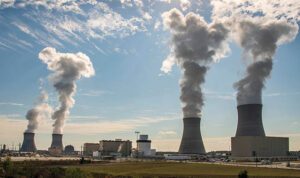
Nuclear Power is Not Just About AI—It’s the Linchpin of American Geopolitical Strength
As nations compete for energy dominance, America’s policy framework demands strategic clarity and bold ambition, and nuclear must be at the center of it. As an advocate for an “all-of-the-above” approach where the U.S. invests in energy sources that make sense and are proven economically viable at scale, I champion natural gas for its flexibility, […]
-
 Hydrogen
Power Density, Not Just Cost, Will Define Next Generation of Hydrogen Fuel Cells
For decades, fuel cell innovation has been guided by two main benchmarks: cost per kilowatt and stack durability. These remain important, especially in applications driven almost entirely by project economics. However, in many of the sectors where fuel cells are poised to make the biggest impact—including aviation, long-haul mobility, and distributed energy—traditional metrics no longer […]
-
 Commentary
Why Grid Hardening Is No Longer Optional
In the past decade, we have seen “once in a century storms” almost every year, flash floods wiping out entire towns, and extreme heat that melts shoes on pavement. Our climate is becoming more extreme, and we need to be proactive in preparing our infrastructure for more to come. The annual average for U.S. billion-dollar […]
-
 Commentary
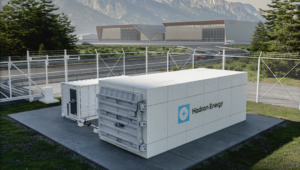
Powering the Data Center Future: Understanding the Resurgence of Nuclear
With billions of dollars pouring into the sector from power players like Google and Amazon, the data center industry is having a moment. But this surge in investment and interest has also brought up serious questions—particularly around how we are going to power these massive computing engines. According to the U.S. Department of Energy, data […]
-
 Commentary
Nuclear Industry Ponders Risks of Building New Reactors
Everybody is now jumping on the pro-nuclear bandwagon. With U.S. electricity demand ramping up due to the rapid build-out of energy-intensive data centers across the country, there is finally broad political and business support for dispatchable 24/7 nuclear power to help meet projected load growth and ensure overall grid reliability. The Trump White House, the […]
-
 Commentary
How Smarter Cooling Choices Can Cut AI’s Energy Use
Artificial intelligence (AI) is evolving, and so is the demand for the infrastructure behind it. However, for those looking to build a sustainably conscious system, this growth raises a crucial question: What does an energy-efficient data center system look like? While rightfully, much of the attention has focused on controlling energy usage of bigger systems […]
-
 Solar
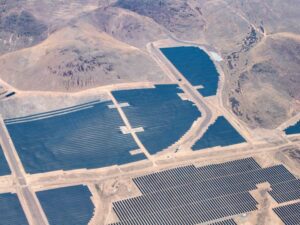
SolarRush Toward Another ‘Safe Harbor’ Begins for Solar Industry
It’s no secret the solar industry has been stockpiling components such as panels and racking since before the Inflation Reduction Act. Under threat of a shortened runway to qualify for credits recently made reality with the passage of the reconciliation bill, the trend has very definitely accelerated.
-
 Commentary
Unlocking Opportunities in AI Through Power Demand, Administration’s Initiatives
The U.S. is bracing for a reality where artificial intelligence and data centers overwhelm the power grid, and rightfully so, as America seeks to lead the global AI race. But this push is coming at the same time that the federal government is reshuffling fiscal priorities and prioritizing energy independence. While that dynamic may seem like a challenging juxtaposition, one thing is clear: regardless of political affiliation or preferred priority, if the U.S. wants to lead the world in AI, it must power it first.
-
 Legal & Regulatory
Nuclear Fusion, Climate Change, and IP Rights: Striking the Right Balance
Net power through nuclear fusion may finally be within reach. Fusion technology is moving out of the lab, and many companies, driven by the shared dream of carbon-free energy to combat climate change, are striving to commercialize technologies to make fusion a reality.
-
 Commentary
IBEW ‘Strongly Opposes’ GOP’s Draft of ‘Big, Beautiful Bill’; Cites Hundreds of Thousands of Lost Jobs
IBEW International President Kenneth W. Cooper on June 29 issued the following statement on Senate Republicans’ draft reconciliation bill, the so-called “Big Beautiful Bill” that threatens several sectors, including renewable energy: “This budget reconciliation bill is a direct attack on working families, shoveling tax breaks to the rich while turning its back on the people […]
-
Commentary
Energy Policy—We Can’t Afford to Hit ‘Pause’ Now
As Donald Trump took office in January, the administration immediately declared a national energy emergency, explaining that “we need a reliable, diversified and affordable supply of energy to drive our Nation’s manufacturing, transportation, agriculture, and defense industries.” Both ends of the political spectrum agree that the U.S. desperately needs more power on the grid—among other […]
-
 Commentary
Three Strategies for Seamlessly Incorporating AI into the Modern Energy Equation
In the ongoing effort to improve the profitability of energy production and delivery while mitigating the risks, companies are incorporating artificial intelligence (AI) to drive more powerful, effective analytics. This technological leap is critical as the industry navigates evolving demands, embraces new sources, and strives for greater efficiency, reliability, and sustainability. However, some energy companies […]
-
 T&D
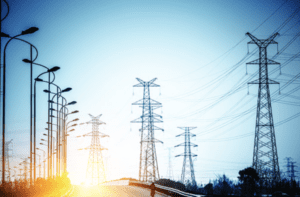
T&DHow Grid Edge Computing Is Revolutionizing Real-Time Power Management
The speed of decision-making at the grid edge has become critical for maintaining stability, preventing cascading failures, optimizing efficiency and integrating intermittent renewable resources. With the proliferation of distributed energy resources (DERs), electric vehicles and smart loads, grid edge intelligence has moved from a luxury to a necessity.
-
 Hydrogen
Hydrogen at a Crossroads: What’s Next for U.S. Infrastructure?
The federal government in 2021 passed the Bipartisan Infrastructure Investment and Jobs Act (BIIJA), which allocated $8 billion in funding to establish hydrogen hubs at multiple locations across the U.S. Seven hubs were approved for funding by the Biden administration, and some work has already begun to build centers of low-carbon hydrogen production within these […]
-
 Legal & Regulatory
FEOC May Expand in Scope and Application for Inflation Reduction Act
The energy industry, and particularly those participating in renewables, battery storage, and electric mobility, and their supply chain (solar panels, wind turbines, battery components, etc.), are facing
-
 Commentary
How Advanced Data Science Drives Value to Capital Programs
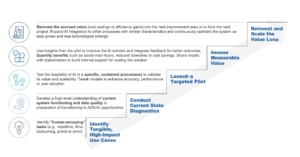
As businesses wait for artificial intelligence to mature, there is an opportunity to start implementing the data and functionality that is readily available now. Planning and delivering a complex, multi-billion dollar capital project creates a trove of actionable data and insights, if teams are able to manipulate the data to reveal these insights. The detail […]
-
 Data Centers
Innovative Solutions Imperative to Meet Data Center Energy Demand
Today’s data centers, the workhorses of our digital economy, face a paradox. While they are asked to fuel the rapid advancement of generative AI, they must do so under increasingly tight energy budgets, with sustainability mandates and power constraints threatening to slow innovation. The question isn’t whether AI will transform industries—it already is—but whether our infrastructure can keep up without buckling under the weight of AI’s energy appetite.
-
 Commentary
How Solar Developers Can Navigate California’s Ever-Changing Energy Landscape
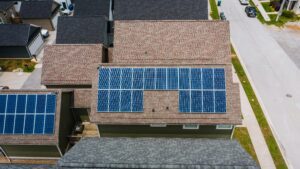
With its history of solar-friendly policies over the past two decades, California set the pace for solar adoption across the U.S., leading the nation in installed solar capacity for eight of the past 10 years, according to the Solar Energy Industries Association (SEIA).
-
 Commentary
Nuclear-Powered Data Centers—What U.S. Developers Need to Know
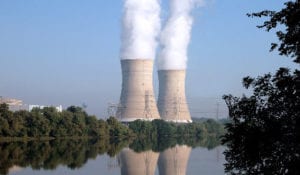
Recognizing their desirable attributes and long-term potential to meet data center demands for power, several technology companies have announced their intention to team up with nuclear developers. At the same time, three companies with shuttered nuclear plants have notified the U.S. Nuclear Regulatory Commission of their plans to restart those facilities, which were closed for economic reasons.
-
 Commentary
Legal, Regulatory Risks Bring Uncertainty for the Energy Sector
Lightning-fast changes continue to happen daily as the Trump administration seeks to implement its energy policies. With stated policies firmly in support of promoting America’s fossil fuel development, curtailing renewable energy, and reducing regulatory burdens, recent and ongoing actions reflect these goals. What remains to be seen are what impacts the broad swath of energy […]
-
 Data Centers
The Security Imperative for Data Centers in an Innovation-Driven World
Data centers serve as the silent backbone of our daily lives, the epicenter of digital communication, corporate data, and countless innovations including artificial intelligence (AI), cloud computing, and the Internet of Things. To ensure maximum uptime, data centers rely on robust security and consistent utility infrastructure—critical considerations in the design and development of data center […]
-
Data Centers
Navigating the Energy Future of Data Centers
Increasing adoption of cloud computing gave rise to the development of data centers, but the rapid growth of artificial intelligence (AI) and the increasing demand for digital services has resulted in an exponential surge of data center growth. The industry is in a transformative phase that will be marked by significant developments in infrastructure, technology […]
-
 Commentary
Emerging Risks in Energy Trading, and Best Practices for Navigating Them
The energy market is the newest frontier for Anti-Money Laundering (AML) and Know Your Customer (KYC) compliance risk. This sector is highly complex; it is dynamic, volatile, and under mounting regulatory pressures.
-
 Commentary
Transitioning to a Cleaner Energy Future Without Sacrificing Reliability
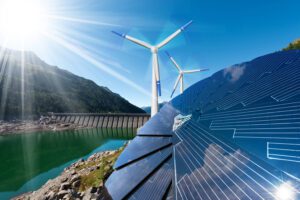
As 2025 kicks off with new leadership, the U.S. faces new challenges like a rapidly growing demand of electricity driven in large part by data center expansion, electric vehicle adoption, bitcoin mining operations, and continued industrial growth. Electricity supply and security remains a critical concern, particularly as aging infrastructure and supply chain disruptions complicate efforts […]
-
Commentary
BESS Decommissioning and End-of-Life Planning: Why Care Today?
As renewable energy generation continues to grow, the use of battery energy storage systems (BESS) in solar farms has become increasingly important for stabilizing the grid and enabling the integration of intermittent solar and wind power. The permitting process to build a BESS facility often requires a formal plan for site decommissioning and disposal, even […]
-
 Coal
CoalU.S. Coal Plants Get Reprieve as Market and Policies Change
Several U.S. utilities in recent months have said they plan to keep coal-fired units in their generation fleets operating past their scheduled retirement dates, in most cases citing increased demand for electricity in their service areas. Some also note that the Trump administration is likely to eschew enforcement of current pollution standards, and attempt to […]
-
Legal & Regulatory
Growth of Data Centers Likely Faces Economic, Legal Challenges
Is it possible that the digital infrastructure and energy/power industries are overestimating the need for data centers, and for development of new energy facilities to be used to power them? The growth of generative artificial intelligence (Gen AI) is expected to account for 3.5% of global electricity consumption by 2030, according to Gartner, a consultancy. […]
-
 Commentary
Gauging the Impact of Trump 2.0 on U.S. Energy and Jobs
During the 2016 U.S. presidential campaign, then-candidate Donald J. Trump took an extremely tough stance on bringing back jobs lost to foreign countries by incentivizing domestic manufacturing. Trump took a hard line against the Clean Power Plan, many times referring to it as a “jobs killer” and an “inflation creator.” Energy independence became a resounding […]
-
Commentary
Factors Impacting the Transition to Carbon-Free Energy
The production and consumption of carbon-free energy (CFE) has accelerated worldwide in recent years, driven by large private energy consumers who have been leading this transition. For example, Google has been matching 100% of its global annual electricity consumption with purchases of renewable energy since 2017. The public sector is also an increasing driver, as […]
-
 Electrification
C&I Sector Must Diversify Power Sources to Lessen Costs, Supply Chain Risks
Surging demand for electricity, soaring electricity prices, and risks to supply chains are creating an imperative for innovative ways to control energy costs, and increase resilience by diversifying commercial and industrial power sources. U.S. electricity prices are soaring amid growing demand, extreme temperatures, gas price volatility, inflation, and the cost of new grid infrastructure and […]