
The dream of operating power facilities with little or no staff has progressed from a hypothetical concept to a proven reality.
There have been countless articles written on the theoretical application of advanced technology to enable self-controlled and remotely operated power generation plants. Advanced and ubiquitous sensors, artificial intelligence and advanced learning, and highly reliable networks will one day facilitate fully autonomous operation of facilities and generate significant operation savings and efficiency.
That promise has not only been fulfilled but is in active operation at multiple locations around the globe. This article describes the technology that is making such advancements possible, and it provides real world examples where this concept has been implemented.
A changing power generation landscape
The challenges for the power generation industry are legion. The electrical grid has become extraordinarily complex as intermittent renewable energy sources are brought online, demanding fast response, low cost, and highly reliable power generation. These requirements have driven the installation of numerous peaking sites, and a trend toward using existing power plants under new conditions, in both cases to provide power at a moment’s notice for grid stabilization.
The rapidly evolving and diverse energy landscape is driven by renewable generation demands and other factors, requiring flexible solutions, especially when operating hours of conventional power plants are limited. This requires optimizing interactions between equipment and operators without needing the entire team on-site. Additionally, there is a growing shortage of experienced and skilled operating and engineering personnel due to various factors. The ideal solution is remote operation or fully autonomous power generating facilities, but that concept has been a hypothetical exercise, until recently.
Bringing technology to bear
Power facility automation begins with a strong foundation of enabling technology. Equipment and processes are monitored by a suite of diagnostic sensors and advanced instrumentation to provide an accurate and high-resolution, real-time window into operations. A digital control system functions above that layer, gathering information from various sources, including large equipment sub-controls and integrated safety systems.
While many power generation facilities employ much of this automation, autonomous and remotely operated sites typically include more extensive diagnostic smart sensors—along with advanced control software that performs real-time analytics, predictive maintenance, and process optimization. Remote monitoring and operations are enabled by multiple, redundant high-availability networks employing multifaceted cybersecurity layers of defense, with diverse communications paths for maximum reliability.
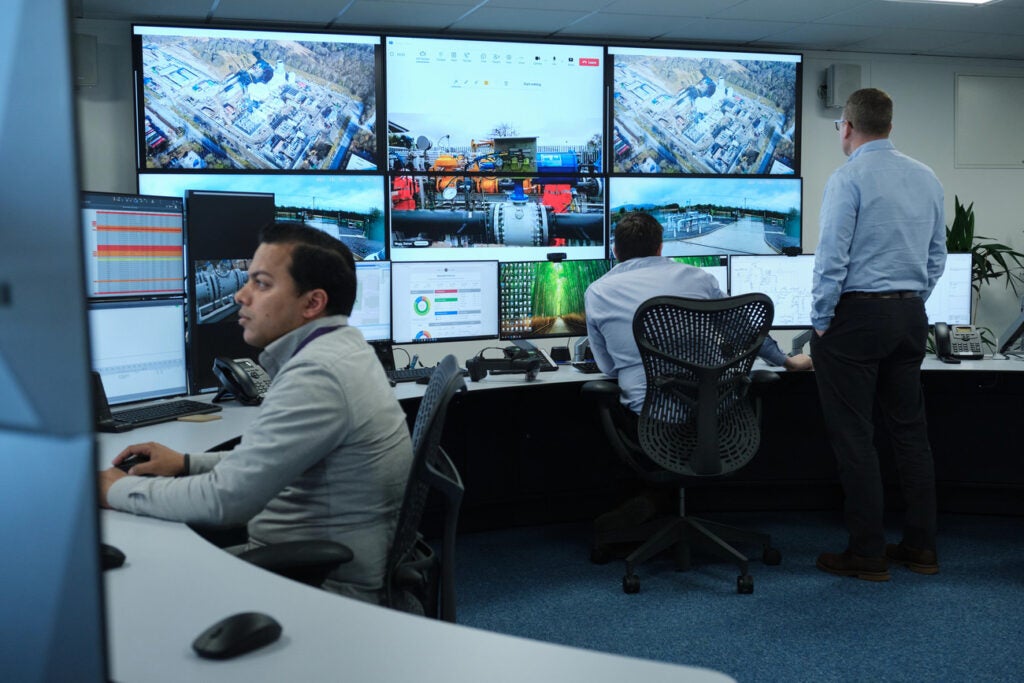
The path to fully autonomous operation typically starts with local operations personnel being backed by a remote operations center, which provides highly experienced operating support and grid control expertise (Figure 1). Gas turbines can be remotely tuned, major equipment can be diagnosed, and potential deviations within operations can be detected before they occur. As successful operations are proven, the sites usually transition to fully remote-control operations, with a small onsite staff to repair equipment and address safety issues as required. Some sites can be designed to operate in a fully autonomous mode with no local or remote support for days or even weeks at a time.
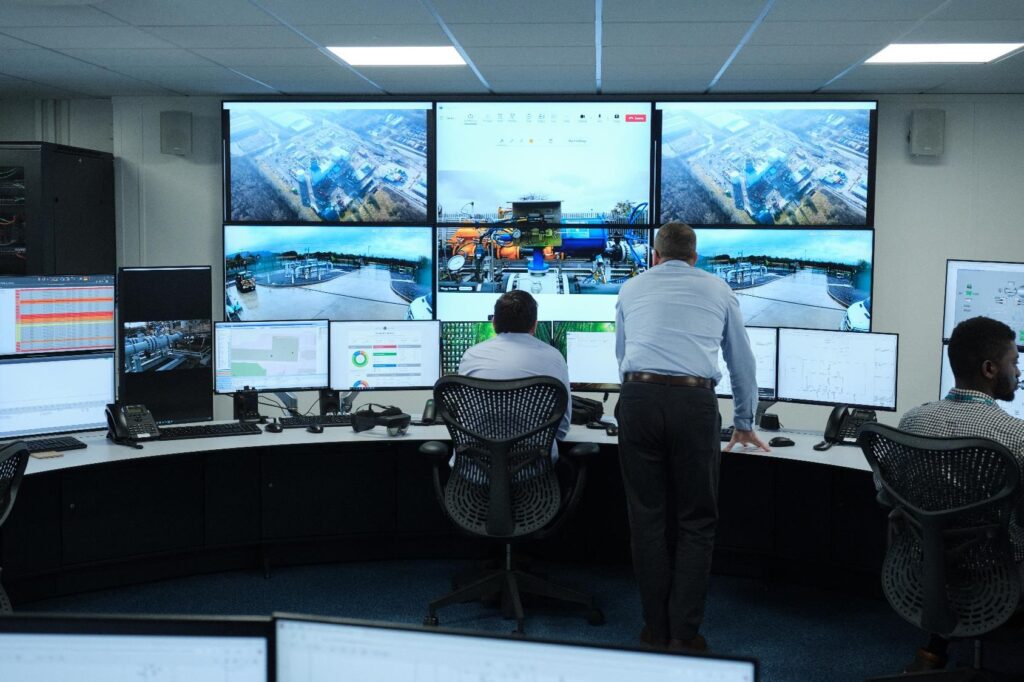
These types of remote and fully autonomous operations have already been successfully implemented, as the following case studies show.
Case study 1 – remotely controlled peaking facility
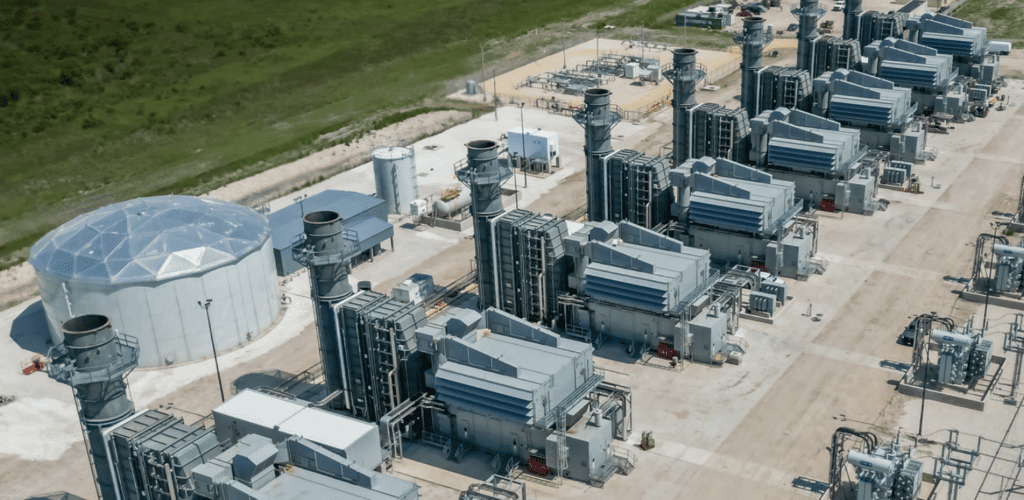
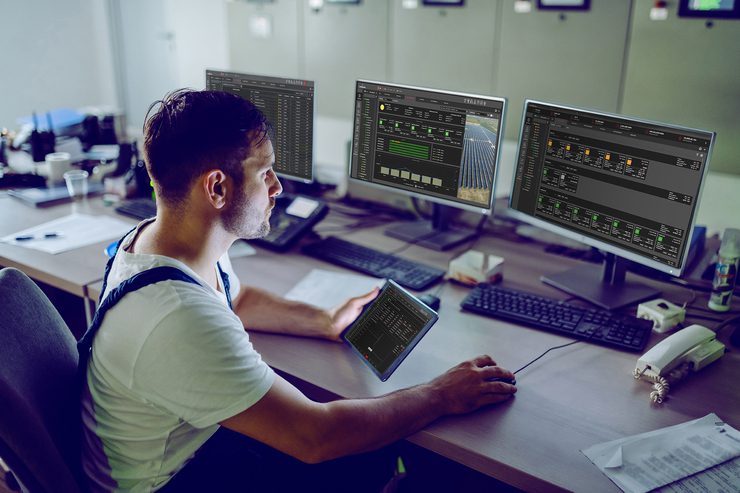
The Leipheim 300MW gas-fired peaking plant (Figure 2) n Bavaria Germany operates intermittently as required to provide power during high demand conditions or help stabilize the national grid during upsets. The site has been in operation since 2023 and has no onsite operating staff beyond a small team of maintenance technicians. The facility is fully controlled by a remote operations center located 150 km away, and it can be ramped up from idle to full production in under 30 minutes.
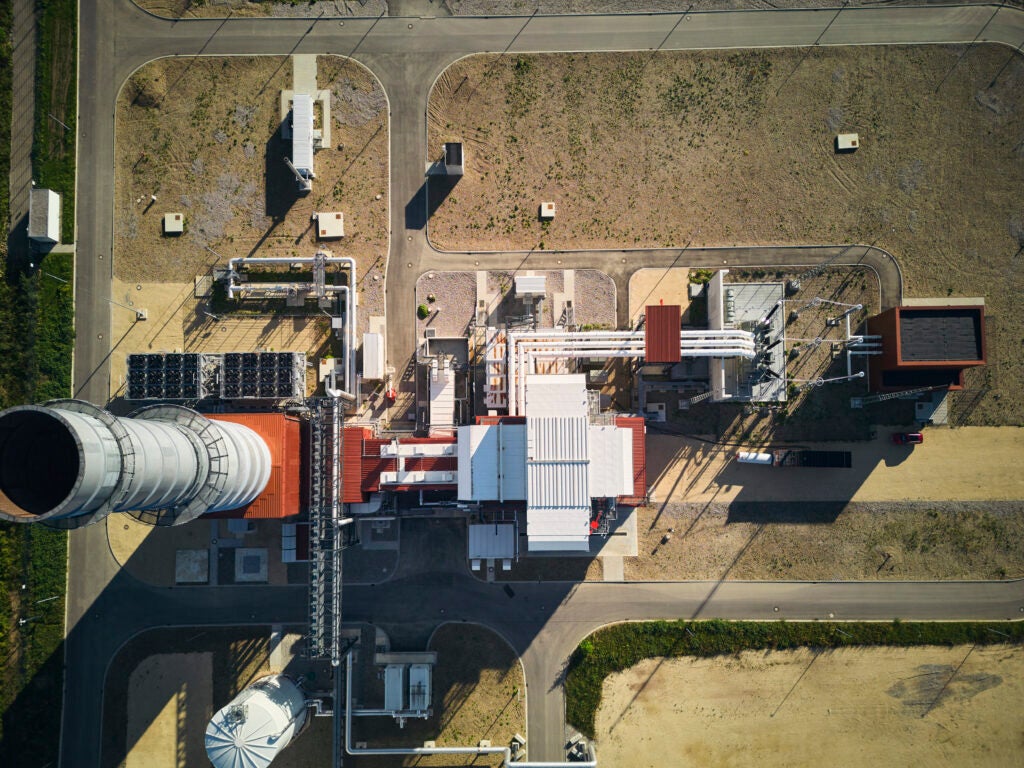
Such remote operated facilities allow a small staff of highly trained operations and technical personnel to control many sites across a broad area. Staff is constantly exposed to a broad range of operating conditions, keeping their skills sharp and responses quick. They also have ready access to equipment and system experts, further leveraging their capabilities and ensuring efficient and reliable plant performance.
Case study 2 – fully autonomous power facility
The Volkswagen coal fired power plant was recently upgraded with low emission Siemens Energy SGT-800 gas turbines (Figure 3). The equipment was specifically designed to operate in fully autonomous operation and has proven itself capable of running up to 72 hours without onsite operating support. The fully automated site responds to remotely issued load commands, monitors and optimizes its operations, automatically responds to abnormal conditions, and can trigger both controlled safe shutdowns and emergency shutdowns as required.
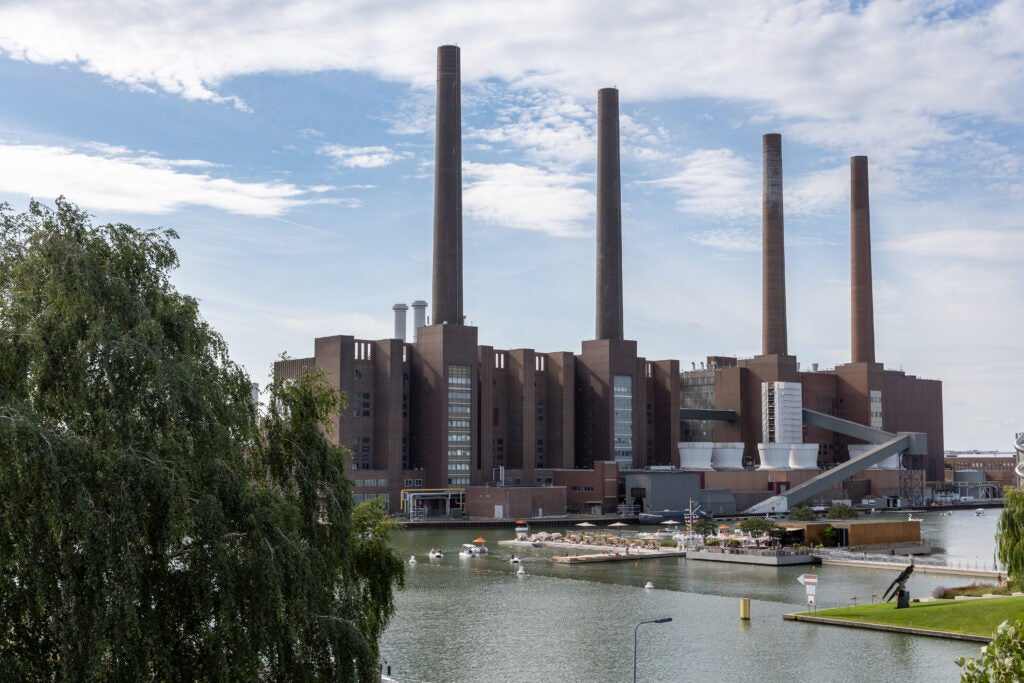
Fully automated operations allow power producers to run unmanned sites throughout the weekend without any onsite operators at all, and these same sites require minimal onsite staff, significantly reducing operating costs.
Conclusion
The concept of remote control and autonomous power plant operations has moved from theory to successful implementation at multiple sites. Enabled by a host of diagnostic sensors, advanced control software, and cyber-secure redundant networks, this technology is allowing power plant operators to respond to the challenges of a rapidly variable power grid, even as they minimize operating costs.
You can find further details on the equipment and technology that make this possible here. Whether you are designing a new power plant or upgrading an existing one, let Siemens Energy demonstrate the proven equipment, controls, and networking that can create dramatic improvements in site operations, reliability, and efficiency.
All Figures courtesy of Siemens Energy
For more information, explore Siemens Energy’s Autonomous Power Plant solution here: https://www.siemens-energy.com/us/en/home/products-services/service/autonomous-power-plant.html