
Latest
-
 O&M
O&MBoiler Tube Failure Thermohydraulic Analysis
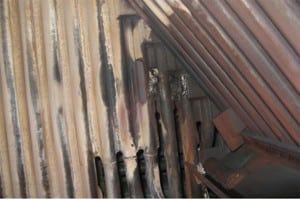
Eskom operates 23 power stations in South Africa with a total capacity of more than 42 GW. It supplies about 95% of all the electricity used in the country. One of its coal-fired power stations was experiencing frequent boiler tube fatigue failures in the hopper section—the bottom part of the boiler—of all six units. The […]
-
 Legal & Regulatory
Simplify MATS Compliance with Particulate Matter Continuous Emission Monitors
Now that power plant operators have some experience under their belts related to Mercury and Air Toxics Standards (MATS) compliance, it’s time to reevaluate the options for demonstrating compliance. Starting
-
 O&M
O&MEmissions Catalyst Issues for Fast-Start Combined Cycle Power Plants
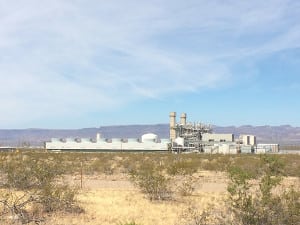
When gas-fired plants are required to cycle more than they were designed for, added stress on plant components isn’t the only consequence. You also need to pay closer attention to turbine catalyst systems. Traditionally, many combined cycle gas turbine (CCGT) power plant units were designed and permitted for a baseload or similar operating profile. Startups […]
-
Coal
Circulating Fluidized Bed Dry Scrubber Effectively Reduces Emissions
When owners of the Big Stone Plant researched air quality control system technology, they considered all available options and eventually settled on a design that was not in widespread use. Now that the
-
 Legal & Regulatory
Real-Time Environmental Data Integration Improves Air Quality Reporting
As power plant reporting requirements for emissions regulations increase in number and complexity, yesterday’s data collection and reporting systems can make the job harder than it needs to be. The electrical power generation sector is reportedly the largest source of greenhouse gas emissions in the U.S. As such, it is the focus of the Environmental […]
-
 Legal & Regulatory
Avoiding Wildlife Impacts from Renewable Energy in Europe
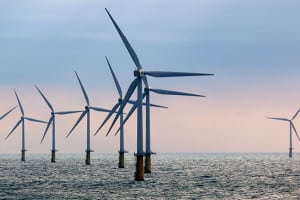
Courtesy: Ad Meskens/Wikimedia Commons Europe has been in the forefront of renewable energy development, and though the scientific research on wildlife impacts is limited, European environmentalists and developers are beginning to create baseline frameworks and guidelines. Developers around the world can learn from their experience. As more renewable energy systems come online, providers hope to […]
-
 Coal
CoalPRB Coal Users’ Group Plant of the Year: Ameren’s Rush Island Energy Center
Rush Island Energy Center has successfully fired Powder River Basin (PRB) coal for two decades, as proven by the plant’s excellent performance stats, dedication to minimizing its environmental footprint, and sterling safety record. The PRB Coal Users’ Group top award recognizes the plant staff’s long-term dedication to continuously improving its safe handling and efficient combustion […]
-
 Legal & Regulatory
The Coal Refuse Dilemma: Burning Coal for Environmental Benefits
The niche alternative energy industry that generates power from hazardous piles of coal waste that litter the U.S. is facing an environmental Catch-22. The torrent of coal mined and processed in the U.S. since
-
 Waste to Energy
Energy from Waste: Greenhouse Gas Winner or Pollution Loser?
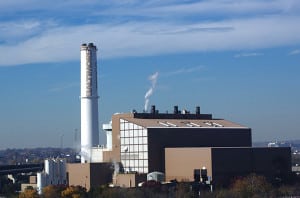
Is waste-to-energy the best greenhouse gas fighter among electric generating technologies? Or do trash burners spew dangerous air emissions? The answer may be a surprise. What electricity-generating technology results in net greenhouse gas (GHG) reductions, not just zero new emissions? According to the U.S. Environmental Protection Agency (EPA), it’s not nuclear, not wind, not solar. […]
-
 Legal & Regulatory
Nuclear Regulatory Commission Down to Three Active Commissioners
Following the end of William C. Ostendorff’s term on June 30, the Nuclear Regulatory Commission (NRC) is now down to only three active commissioners on staff. Ostendorff became a commissioner on April 1, 2010, following a distinguished career as a U.S. naval officer, engineer, lawyer, and policy advisor. His departure adds another vacancy to the […]