
Latest
-
 O&M
O&MSteam Turbines: San Onofre Nuclear Generating Station Gets Upgraded Generator Rotors
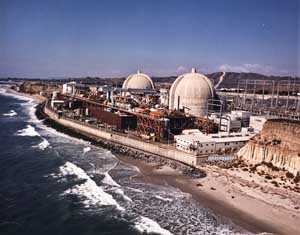
Southern California Edison’s (SCE) 2,250-MWe San Onofre Nuclear Generating Station (SONGS) recently took receipt of a new and upgraded generator rotor for one of its two Alstom steam turbine generator units (Figure 1). Following the successful installation and flawless start-up of this new rotor in the Unit 2 generator, the former Unit 2 rotor was […]
-
Legal & Regulatory
Looking Downstream After the Cooling Water Case
In the wake of the recent U.S. Supreme Court ruling related to cooling water intake practices at large power plants, many utilities are relieved to be off the hook as far as implementing expensive control upgrades to protect fish and other aquatic organisms.
-
 O&M
O&MAdvanced Modeling Tools Slash Combustor Analysis Chores
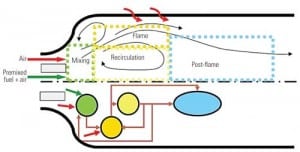
Combustor design simulation requires the resolution of complex geometry, turbulent flow patterns, heat transfer, and detailed chemistry. Although computational fluid dynamics (CFD) can simulate the reacting flow in realistic geometries, it requires the use of severely restricted chemistry models that are too simple to accurately simulate emissions and operational stability. A new simulation tool is now available that eliminates this CFD shortcoming while significantly reducing computing time.
-
 Coal
CoalCanada Moves to Rebalance Its Energy Portfolio
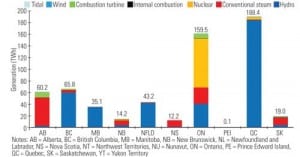
Though Canada is rich in fossil fuels, nuclear power may fuel a significant portion of the nation’s future electrical generation needs, especially in provinces that have traditionally relied on hydropower and fossil fuels.
-
 O&M
O&MTurkey Opens Electricity Markets as Demand Grows
Turkey’s growing power market has attracted investors and project developers for over a decade, yet their plans have been dashed by unexpected political or financial crises or, worse, obstructed by a lengthy bureaucratic approval process. Now, with a more transparent retail electricity market, government regulators and investors are bullish on Turkey. Is Turkey ready to turn the power on?
-
 Coal
CoalCHP: Helping to Promote Sustainable Energy
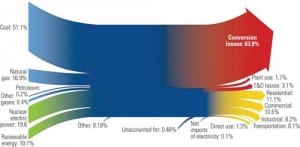
Because combined heat and power (CHP) plants optimize energy use, they cut fuel costs and pollution. Even though U.S. power plants have been using CHP for decades, today’s energy experts have a newfound appreciation for its ability to promote sustainable energy use.
-
 O&M
O&MFocus on Organics in Steam
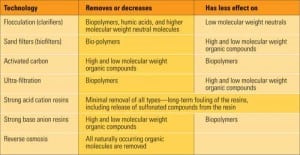
Organic compounds can enter the steam cycle from a number of sources, including water treatment chemicals, or as part of a manufacturing process. Regardless of the source of the organics, their effects range from fouling polisher resins to causing significant steam turbine damage. Conventional water pretreatment systems are available to remove organics from water, but removing organic compounds at their source is the best place to start addressing the problem.
-
 O&M
O&MComputer Simulation of HRSGs Can Improve O&M
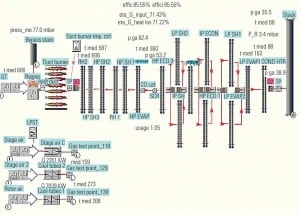
Obtaining accurate data about the performance of a plant’s heat-recovery steam generator is crucial to ensuring the smooth operation and maintenance of the equipment. Software designed to model and simulate HRSG operations can provide valuable information about corrosion and other operational problems.
-
 O&M
O&MSolving Fouling Problems with an HRSG Upgrade
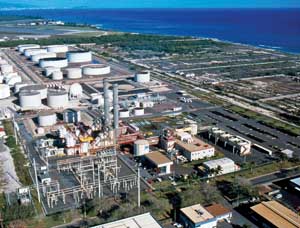
Despite being located on the beautiful Hawaiian island of Oahu, the Kalaeloa Cogeneration Plant had trouble in paradise: Large amounts of ash from #6 low-sulfur fuel oil coated the finned tubes of its heat-recovery steam generators (HRSGs). The fouling added an extra $5 million dollars a year to the plant’s fuel bill. By retrofitting the HRSG with new panels and improved fin design, the plant overcame the fouling problems, stopped tube leaks, and cut fuel costs.
-
 Coal
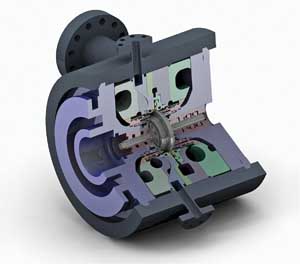
CoalCapturing CO2: Gas Compression vs. Liquefaction
Carbon capture and sequestration is very likely to be a key element of any future greenhouse gas legislation. Integrated gasification combined-cycle plants now under design have provisions to separate the CO2 at elevated pressures. Coal-fired plants have a far more difficult and expensive task — separating and compressing CO2 from pressures just above atmospheric conditions.