
Latest
-
 Nuclear
I&C Update on Plant Vogtle Units 3 and 4
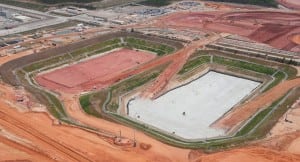
Development of Vogtle Electric Generating Station Units 3 and 4—the first new nuclear power plant units in the U.S. in decades—has generated considerable excitement. The next generation of nuclear plants, represented by these units, includes at least two major improvements: the use of passive safety systems and a reliance on digital control systems. The latter represents a gigantic leap in modernization and a fundamental change in control of the plant.
-
 O&M
O&MNew Tools for Diagnosing and Troubleshooting Power Plant Equipment Faults
The Electric Power Research Institute has developed a pair of diagnostic tools that combine and integrate features from multiple sources of plant information. The Diagnostic Advisor and the Asset Fault Signature Database will improve diagnostics for and troubleshooting of equipment faults by providing a holistic view of the condition of plant equipment.
-
 Gas
GasAutomated Exhaust Temperature Control for Simple-Cycle Power Plants
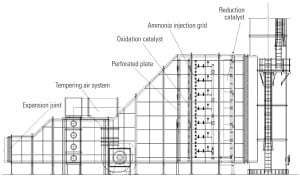
A common concern for gas turbine power plants is treating exhaust gases to comply with laws restricting pollutants present in the gases that are emitted into the ambient atmosphere. The challenge for designers is to control the exhaust gas operating temperature within a range that maximizes performance of the oxidation and reduction catalysts.
-
 Instrumentation & Controls
Thermocouple Response Time Study for Steam Temperature Control
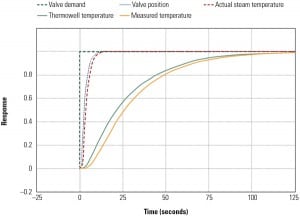
One important factor in power plant control system performance is the response time of the process measurement used in the control system. The response time of boiler steam temperature sensors and thermowells is examined, as is those sensors’ and thermowells’ effect on desuperheater temperature response time and, therefore, steam temperature control performance.
-
 Instrumentation & Controls
Concerns About Temperature-Equalizing Columns Used for Steam Drum Level Measurement
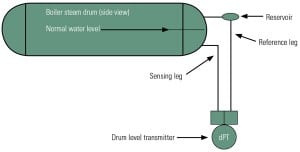
In the 1950s, temperature-equalizing columns were commonly used in steam drum differential pressure–based devices for measuring water level. However, these columns are problematic because a portion of the reference leg can flash to steam on a pressure decrease (load increase), and this will result in a temporary, false, high-level measurement, which adds to the swell effect. The columns can also result in measurement inaccuracies. It’s time to replace these antiquated instruments with a more modern reference leg.
-
 Coal
CoalDesigning Fuel Systems for Large Biomass Plants
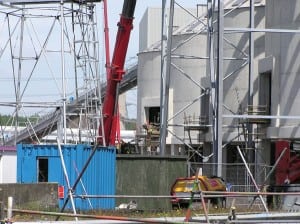
Compared with other solid fuel–fired plants, the systems and components required for handling and processing biomass appear quite familiar, but important fuel differences must be considered. A successful biomass plant design must provide flexibility for handling the expected wide range of biomass fuel properties and characteristics.
-
 News
NewsSelf-Propelled Trailers for In-Plant Use
Wheelift Systems introduced its self-propelled trailers (SPT) in capacities up to 100 tons. They were developed for in-plant operation in congested, confined areas and in narrow intersecting aisles. Highly maneuverable, the Wheelift SPTs feature computerized independent steering, on-center rotating front axles, remote control operation, low-profile design, and on-board power generation. Each SPT has two on-center […]
-
 News
News500-kV Proximity Voltage Detector
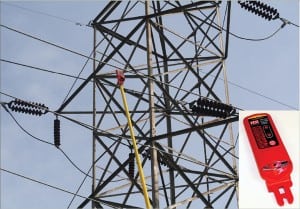
HD Electric Co.’s new PRX-500 Proximity Voltage Detector is an addition to its voltage detector product line. With nine selectable voltage ranges from 120 V to 500 kV, the PRX Proximity Voltage Detector features an easy-to-use electronic touch pad with large buttons. The PRX provides an audible and visual indication of voltage detected from elbow […]
-
 News
NewsExtended Generator Drive Ratings for Diesel Engine
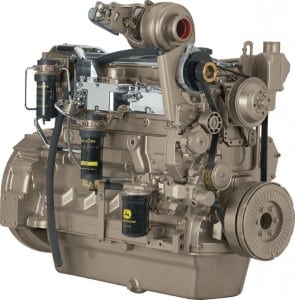
John Deere Power Systems (JDPS) introduced extended generator drive emergency stationary power ratings for its PowerTech E 6.8L diesel engine—the first John Deere engine to carry both U.S. Environmental Protection Agency Tier 3 Emergency Stationary and European Union Stage III A certification, with dual frequency ratings of 1,800 and 1,500 rpm. The 212-kW rating at […]
-
 News
NewsThermodynamic Steam Trap
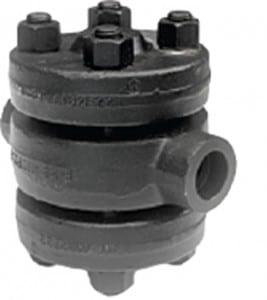
Spirax Sarco launched the TD120M Thermo-dynamic Steam Trap, a product engineered for pressure ratings of up to 3,190 psig that is ideal for draining saturated and superheated steam mains. The steam trap has a maintainable disc and seat, which means it can be serviced in-line—a considerable benefit to customers with welded installations. The trap has […]