
Latest
-
 History
Japan Scrambles to Revamp Its Electricity Sector
The March 2011 Japanese earthquake and tsunami that destroyed a number of Japanese power plants—most notably, four nuclear units—hit quickly. Almost as speedy were calls to take all other nuclear units out of service for safety reviews. What will take much longer is developing a new, sustainable energy plan to fill the generation gap left by a potential total lack of nuclear power.
-
 Business
Going the Distance: Online Courses for Power Industry Professionals
Online learning is opening up new opportunities for those unable to attend classes on campuses. Bismarck State College and the University of North Dakota, for example, offer innovative online courses and degree programs to students who want successful careers in the electric power industry.
-
 O&M
O&MStartup Purge Credit Benefits Combined Cycle Operations
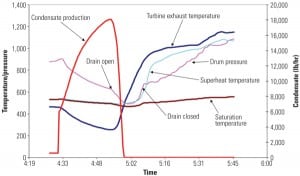
Combined cycle power plants use fuels and other materials that can cause fires or explosions in the combustion turbine, ducting, or heat recovery steam generator. Purging that equipment with ambient air to displace residual combustible gases before starting is a normal safety practice. But when plants are cycled, the disadvantages of purging often outweigh the advantages.
-
 O&M
O&MImprove Condenser Performance Through Better Instrumentation
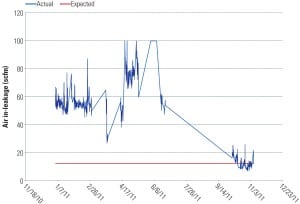
Most power plants use some form of condenser performance-monitoring protocol. Some of those protocols are deficient because the proper instrumentation is not installed to collect the necessary data. Three case studies illustrate how collecting good condenser performance data enabled plant staff to troubleshoot problems and make good plant performance improvement decisions.
-
Nuclear
Too Dumb to Meter, Part 2
As the book title Too Dumb to Meter: Follies, Fiascoes, Dead Ends, and Duds on the U.S. Road to Atomic Energy implies, nuclear power has traveled a rough road. In this POWER exclusive, we present the second chapter, “Manhattan Transfer,” which covers the open fight for control of the development of nuclear power between the newly created Atomic Energy Commission and the military services, with the politicians playing both sides against each other.
-
 News
NewsNew Paperless Recorder
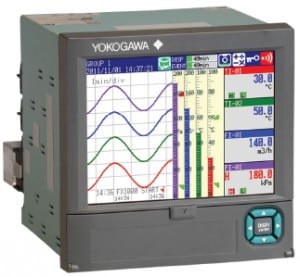
Yokogawa’s new FX1000 paperless recording system provides premium features and performance for cost-sensitive OEM suppliers and end user process recording applications. Delivering a high level of measurement, recording, and networking functionality in a compact package, the shallow 6.5-inch case depth behind the panel allows for installation in tight locations and easy system integration. A high-precision, […]
-
 News
NewsSmart Welding Helmet
South Carolina–based ESAB Welding & Cutting Products introduced the Aristo Tech 5-13 Welding Helmet with Variable Shade ADF. Designed for the professional welder, the helmet features Auto-Darkening Filter Lens Technology (ADF) and has a variable 5-13 digital control for adjustment of shade level, sensitivity, and delay. The helmet’s Quick Set feature allows for easy change […]
-
 News
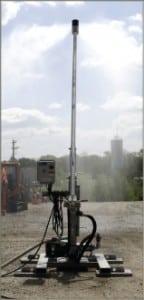
NewsDust Suppression for Slag or Ash Handling
The new DustBoss from Dust Control Technology DB-M is designed for applications in which a fan-driven mist could generate undesirable turbulence and is well-suited to operating conditions involving very fine dust particles, including slag dust or fly ash. The unit generates an umbrella-shaped cloud of atomized droplets averaging 50 to 200 microns in size and […]
-
 News
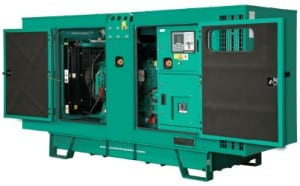
NewsNew Diesel Generator Sets
Cummins Power Generation announced two new internationally styled and designed diesel generator set ranges for global markets. Powered by Cummins engines, both are maintenance-friendly. CE-certification and compliance with international standards make them ideal for a wide variety of applications, including in remote locations. The new low-range 40- to 75-kVA generator sets feature the Cummins S3.8 […]
-
Commentary
Climate and Energy Policies: Two Sides of the Same Coin?
In a 2006 statement, former UK Prime Minister Tony Blair said, “We must treat energy security and climate security as two sides of the same coin.” Are energy security and climate change best addressed by reducing fossil fuel combustion, as he suggested?