Power company leaders face mounting challenges in asset management—keeping aging equipment reliable, integrating diverse assets from renewables to baseload units, and meeting strict reliability standards. Advanced software solutions address these issues head-on, enabling managers to predict failures, optimize maintenance, and maximize efficiency across their fleets.
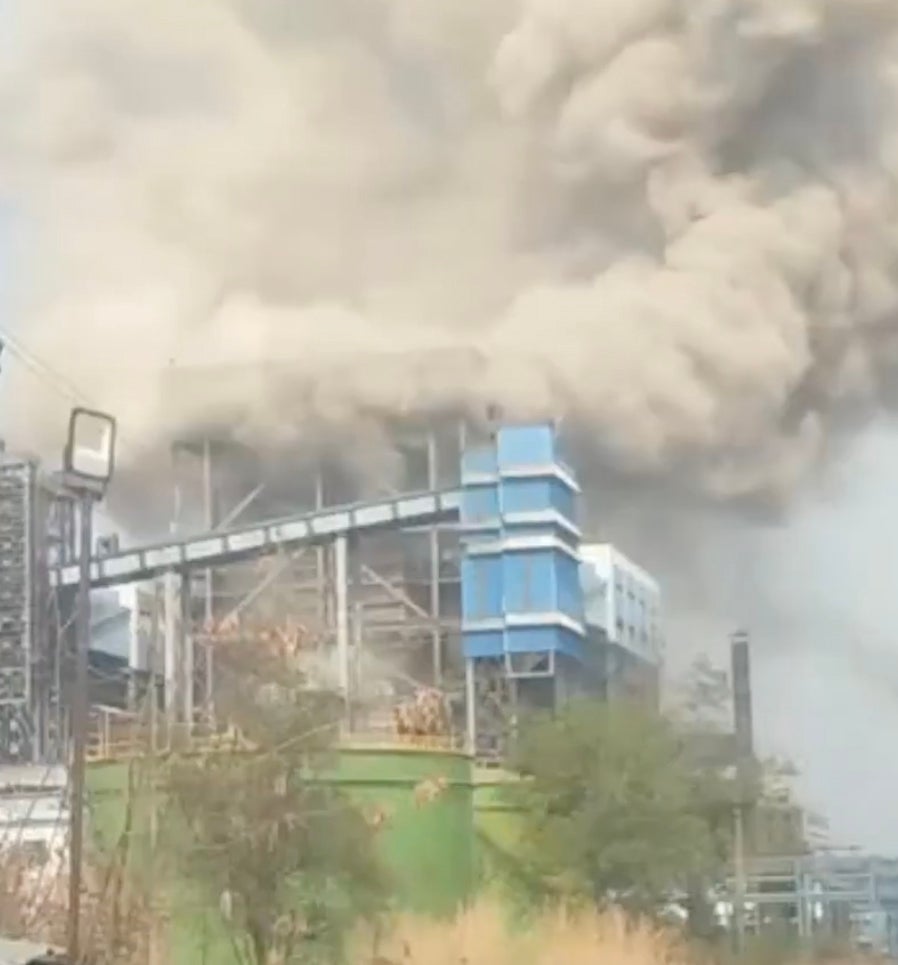
Power companies operate under unique pressures. When a turbine fails unexpectedly or a transformer goes offline without warning, the consequences ripple far beyond plant walls—from emergency power purchases at premium rates to potential grid instability and regulatory penalties. In this high-stakes environment, the difference between reactive maintenance and predictive asset management can mean the difference between profitable operations and catastrophic losses.
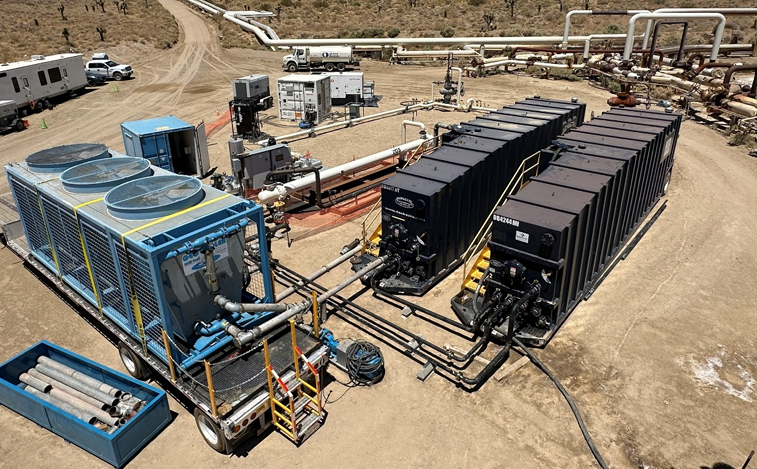
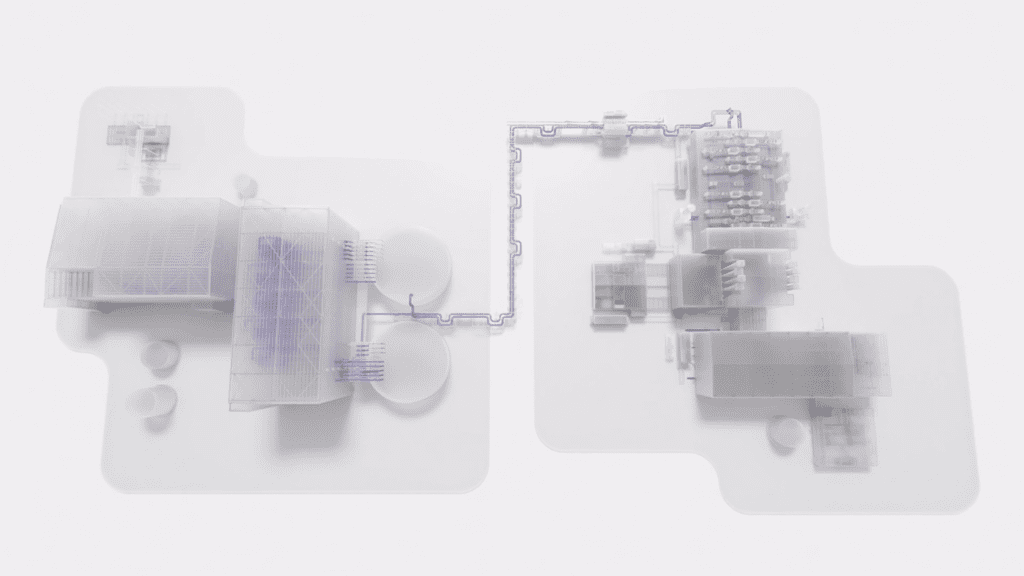
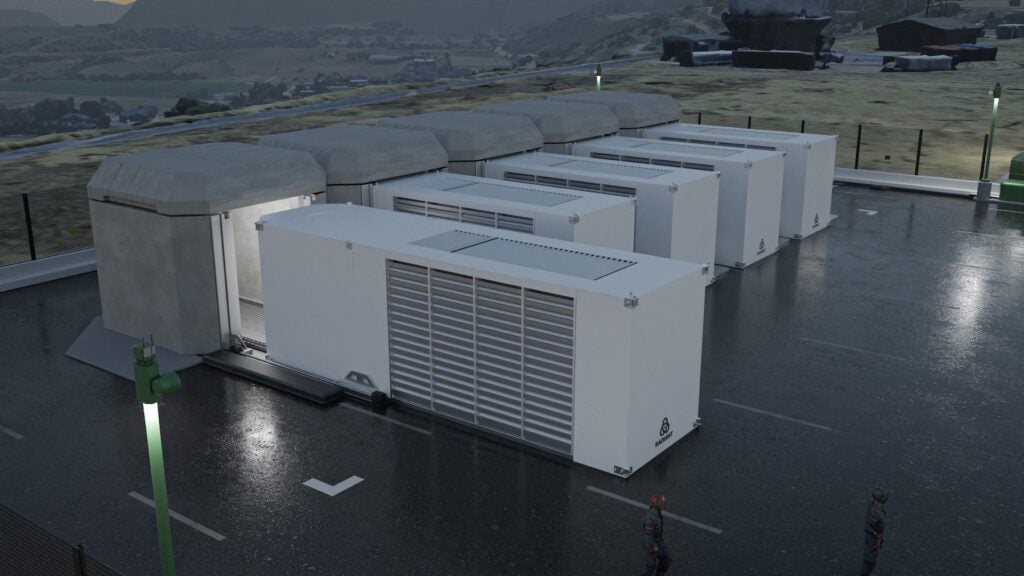
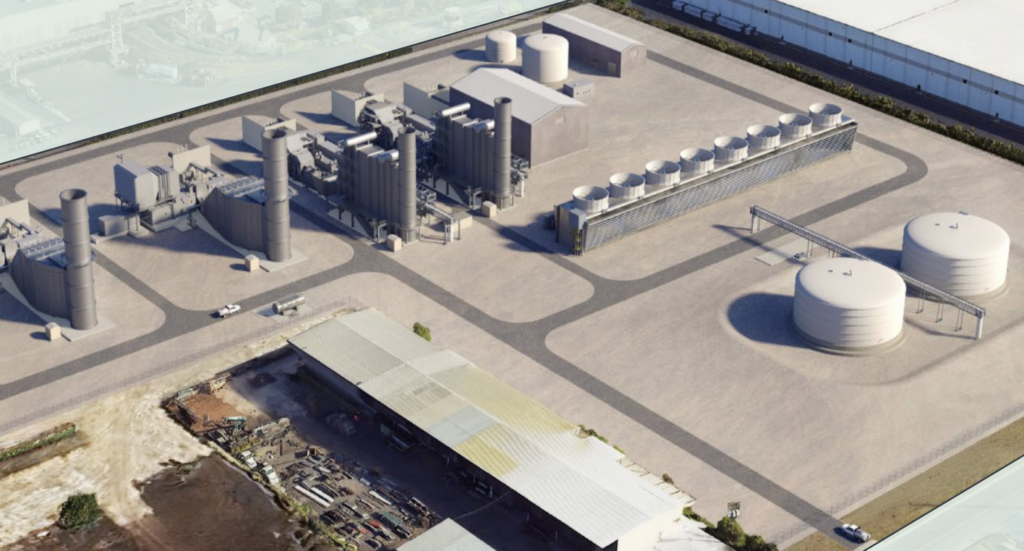
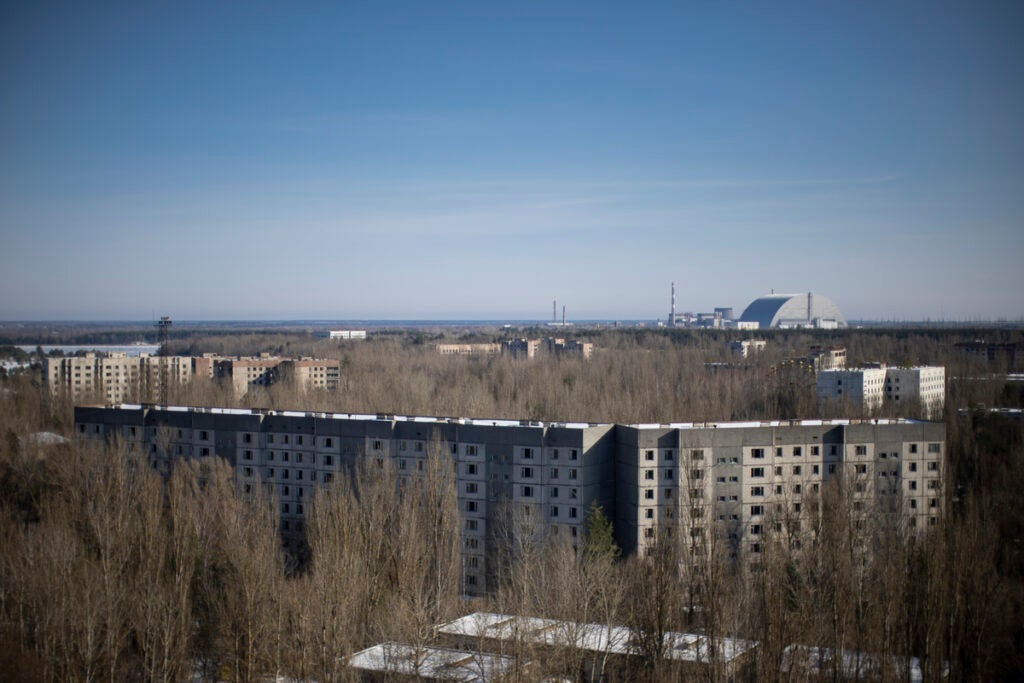
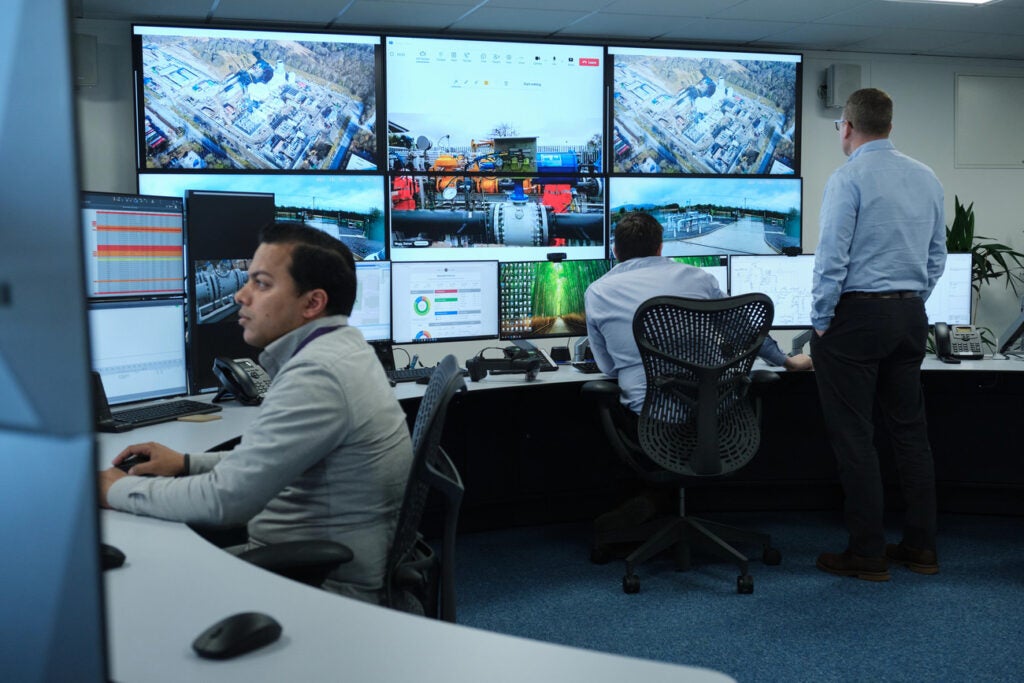
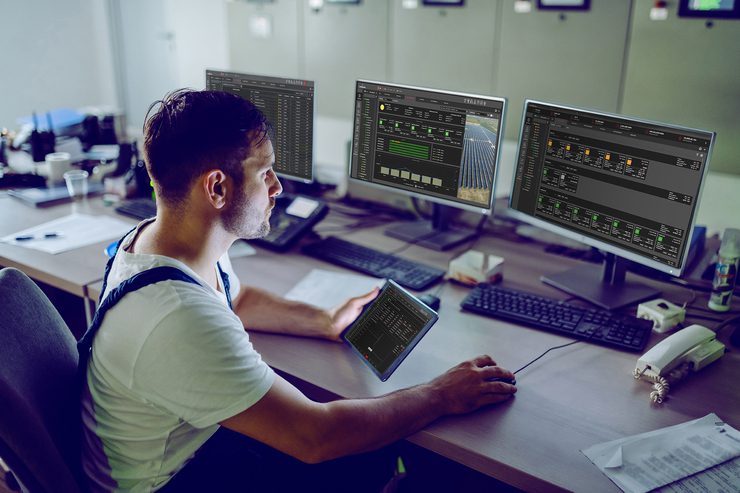
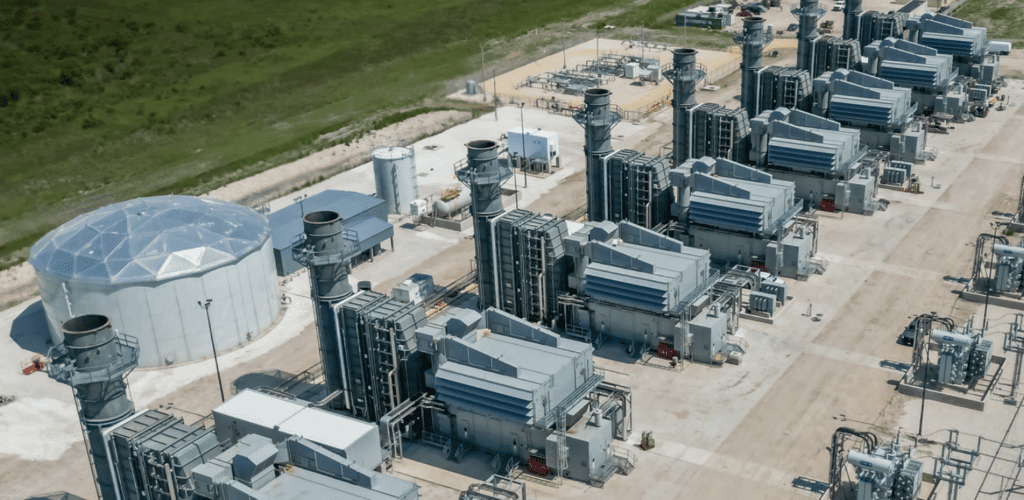
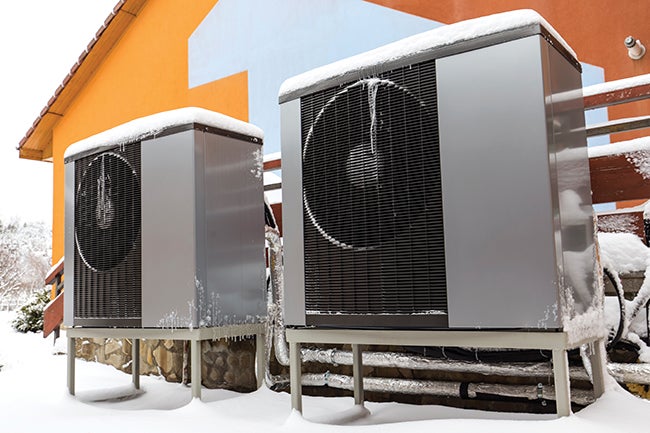
Modern asset management software has become the nerve center for power generation operations (Figure 1), providing the real-time monitoring, predictive analytics, and decision support that managers need to maintain grid reliability while optimizing capital deployment. These platforms integrate data from thousands of sensors across generation assets—from boiler tubes and steam turbines to substation equipment and transmission infrastructure—using artificial intelligence (AI) and machine learning to detect anomalies, predict component failures, and recommend optimal intervention strategies.
 |
|
1. Asset management software empowers plant managers to boost reliability, reduce downtime, and optimize maintenance for maximum efficiency. Source: Envato Elements |
Companies including Yokogawa, Emerson, Siemens Digital Industries Software, Siemens Energy, and GE Vernova have developed solutions specifically attuned to the power sector’s unique requirements. They offer capabilities that range from plant-wide condition monitoring and thermal performance optimization to enterprise asset lifecycle management and regulatory compliance tracking. The solutions profiled in this article demonstrate how digital innovation is helping power providers maximize the value of existing assets while navigating the complexities of a rapidly evolving energy landscape.
Yokogawa
Yokogawa offers a comprehensive suite of asset management solutions specifically designed to help power plant operators maximize equipment reliability, optimize performance, and reduce maintenance costs. At the core of their offering is the Plant Resource Manager (PRM), an integrated device management software package that centrally manages large amounts of status and maintenance information from automation and production assets. PRM enables a more predictive and proactive maintenance approach that reduces total cost of ownership, allowing operators to monitor field devices remotely, perform online diagnostics, and shift from reactive breakdown maintenance to predictive and condition-based maintenance strategies. The system supports multiple field communication protocols including FOUNDATION fieldbus, HART, ISA100 Wireless, and PROFIBUS, and integrates seamlessly with Yokogawa’s CENTUM distributed control systems to provide operators visibility into device health directly from their control room stations.
In This Issue
Full issueComplementing PRM is Exaquantum/PPC (Power Performance Calculations), which provides real-time power performance calculations for primary and auxiliary equipment such as boilers, turbines, and heat exchangers, as well as overall plant efficiency. The solution provides key performance indicator dashboards that enable improved power plant efficiency, optimized maintenance, better asset utilization, bottleneck identification, and energy loss identification. The configuration environment uses pre-built blocks based on American Society of Mechanical Engineers (ASME) Performance Test Code (PTC) standards, and includes “what-if” analysis capabilities that allow operators to examine different operating scenarios and their impacts. By identifying equipment degradation and performance deficiencies early, the system guides maintenance decisions and helps operators improve thermal efficiency through heat balance analysis, ultimately reducing fuel consumption and environmental impact.
Together, these solutions form part of Yokogawa’s broader OpreX Asset Management and Integrity portfolio, which has been deployed across numerous power generation facilities worldwide. The systems have proven effective at improving power plant efficiency through seamless integration of multivendor control systems with field digital technology, enabling power operators to extend equipment life, reduce unplanned downtime, and make data-driven decisions about maintenance scheduling and capital investments.
Emerson
Emerson provides an integrated portfolio of asset management solutions designed to help power plant operators maximize equipment reliability, improve plant availability, and adapt to the increasingly challenging operational demands of modern power generation. The company’s Power and Utilities practice brings a unique combination of reliability and maintenance expertise coupled with deep industry insight to help increase asset availability, reduce maintenance costs, improve maintenance effectiveness, and integrate the Industrial Internet of Things (IIoT) into asset management decisions. These solutions are particularly valuable as power plants face the stresses of plant cycling, where frequent startups and shutdowns create thermal stress, contribute to forced outages, and increase maintenance costs—challenges that Emerson’s specialists help operators navigate through predictive analytics and proactive maintenance strategies.
At the heart of Emerson’s offering is the AMS Suite, a comprehensive asset performance management platform that integrates multiple condition monitoring technologies into a unified system. AMS Machine Works software empowers vibration analysts, reliability engineers, and maintenance technicians to easily monitor, diagnose, and resolve mechanical issues for rotating production assets like compressors, turbines, pumps, fans, blowers, and gear boxes before they affect outputs. The platform harnesses data from various monitoring devices including the AMS 6500 Machinery Health Monitor, AMS Wireless Vibration Monitor, and AMS Asset Monitor to provide real-time visibility into equipment health. The AMS 6500 Machinery Health Monitor is a versatile, scalable system that delivers online condition monitoring for critical rotating assets, providing the frequency and types of data necessary to stay on top of developing issues during normal operations and respond quickly to sudden changes during transient conditions. Emerson’s patented PeakVue technology enables even personnel without specialized training in machinery diagnostics to detect distress signals that are invisible with conventional vibration measurements.
Emerson’s asset management capabilities extend beyond machinery health monitoring to encompass the entire control and automation ecosystem through the Ovation distributed control system (DCS) and related applications. The Ovation DCS is a reliable and innovative platform specifically designed for the power generation and water/wastewater treatment industries, providing integrated control, safety, and asset management in a single platform. For renewable energy operations, Emerson’s Ovation Green asset performance management software provides analytical, predictive maintenance, and forecasting tools to effectively optimize the performance of renewable energy assets, enabling digital transformation through open standards and protocols for connectivity to a broad range of units and devices. This integrated approach allows power operators to seamlessly manage both traditional and renewable generation assets, optimize maintenance scheduling based on predictive analytics, and make data-driven decisions that improve overall plant efficiency while extending equipment life and reducing total cost of ownership.
Siemens Digital Industries Software and Siemens Energy
Notably, Siemens Digital Industries Software and Siemens Energy are distinctly separate entities with different asset management offerings. Power plant owners and operators will find valuable solutions available through Siemens Digital Industries Software, such as capital asset lifecycle management and digital twin solutions, while Siemens Energy provides other well-regarded technology, including its Omnivise portfolio. Both companies’ complementary products are worth exploring.
Siemens Digital Industries Software’s capital asset lifecycle management technology helps power plant operators and engineering teams manage the entire lifecycle of assets—from design and construction through operation and eventual decommissioning. By leveraging a digital thread, Siemens Digital Industries Software enables integration of engineering, operational, and financial data, reducing silos and improving collaboration. Digital twin capabilities allow operators to simulate and optimize asset performance virtually, supporting predictive maintenance strategies and long-term planning. These tools are particularly valuable for managing complex projects and ensuring data consistency across stakeholders.
In contrast, Siemens Energy delivers operational asset management solutions through its Omnivise portfolio, which includes modules for reliability, diagnostics, maintenance, and operations. Omnivise focuses on real-time monitoring, predictive analytics, and performance optimization for power generation assets. It helps operators improve availability, reduce downtime, and transition toward autonomous plant operations. This portfolio is tailored for day-to-day plant performance and maintenance, whereas Siemens Digital Industries Software addresses strategic lifecycle and engineering challenges.
Together, these two Siemens-based entities offer complementary capabilities: Siemens Energy for operational excellence and Siemens Digital Industries Software for lifecycle and engineering optimization. Power plant operators can benefit from integrating both approaches to achieve a holistic asset management strategy.
GE Vernova
GE Vernova offers advanced Asset Performance Management (APM) solutions designed to help power plant operators improve reliability, reduce costs, and optimize maintenance strategies. Built on GE’s industrial software expertise, APM combines predictive analytics, digital twin technology, and risk-based maintenance planning to provide a comprehensive view of asset health across plants and fleets. The solution focuses on three key areas: Health, Reliability, and Asset & Maintenance Optimization, enabling operators to monitor critical equipment, predict failures, and prioritize maintenance based on risk and cost rather than fixed schedules.
A distinguishing feature of GE Vernova’s APM is its use of digital twins and SmartSignal predictive monitoring, which detect anomalies early and prevent unplanned outages. By shifting from reactive to predictive maintenance, operators can reportedly achieve measurable benefits such as 2–6% increased availability, 10–40% reduction in reactive maintenance, and up to 25% lower operations and maintenance costs. The platform is available as a cloud-based software-as-a-service (SaaS) or on-premises solution, offering flexibility for different operational environments.
Beyond maintenance optimization, GE Vernova’s solutions support risk management, workforce productivity, and sustainability goals. Features like remote monitoring and centralized operations centers enable operators to manage multiple plants efficiently, even with reduced staffing. The platform also integrates with other GE Vernova tools such as Operations Performance Management (OPM) for holistic plant optimization, helping power generators adapt to evolving market dynamics, renewable integration, and semi-autonomous operations.
Essential Technology
As power companies manage increasingly complex assets, advanced software is indispensible. Leveraging predictive analytics, digital twins, and integrated monitoring helps extend equipment life, reduce outages, and keep fleets efficient—positioning leading organizations for success in a rapidly changing energy landscape.
—Aaron Larson is POWER’s executive editor.