
Latest
-
 Nuclear
Entergy Announces Closure of FitzPatrick Nuclear Power Plant
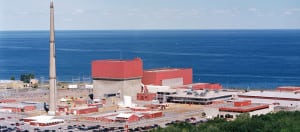
Entergy Corp. said on Nov. 2 that it would retire the James A. FitzPatrick Nuclear Power Plant in Scriba, N.Y., at the end of its current fuel cycle due to the facility’s “continued deteriorating economics.” The plant—located in Oswego County on the southeast shore of Lake Ontario—is an 838-MW boiling water reactor commissioned in July […]
-
 Renewables
GE’s Acquisition of Alstom’s Power and Grid Business Is Official
Following regulatory approval of a $10.6 billion transaction in over 20 countries and regions, GE’s acquisition of Alstom’s energy activities is now complete. GE and Alstom sealed the deal first proposed in early 2014 with the signing of a 1,500-page “master agreement.” GE had initially proposed buying Alstom’s lucrative business for €12.35 billion, but following […]
-
-
 Nuclear
TOP PLANTS: Palo Verde Nuclear Generating Station, Wintersburg, Arizona
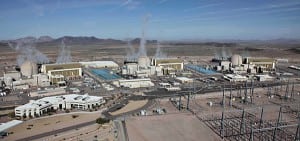
The nearly 4-GW, three-unit Palo Verde Nuclear Generating Station remains the largest generator of electricity in the U.S. for the 23rd consecutive year, producing more than 30 million MWh in 2014, for the 10th time (the only plant in the U.S. to do so), all while using only treated wastewater for cooling. Palo Verde Nuclear […]
-
O&M
Wildlife and Power Plants: New Solutions for Animal Problems
Some critters may be cute, but when jellyfish gum up power plant cooling systems; birds, rats, snakes, or squirrels cause electrical shorts; or invasive mollusk species obstruct hydropower plant pipes, losses can be steep. Here’s how some power plant operators are dealing with their critter troubles. There are countless cases of wildlife entering power plant […]
-
 O&M
O&MLoad Cycling and Boiler Metals: How to Save Your Power Plant
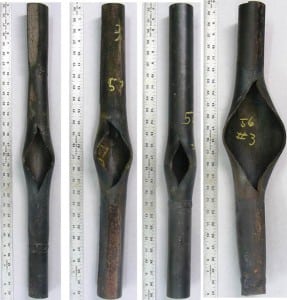
As many coal-fired power plants designed for baseload service are asked to cycle, unforeseen stresses have been introduced to boiler pressure parts. Understanding the effects and implementing mitigation strategies could prevent premature component failure and keep facilities operating reliably. On August 3, 2015, the U.S. Environmental Protection Agency finalized the Clean Power Plan, which calls […]
-
 O&M
O&MEnsuring Reliable Boiler Operation Through Proper Material Analysis
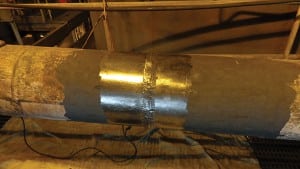
Creeped out and fatigued—that’s the state of many coal-fired boilers these days. Understanding failure mechanisms and suitable testing methods for identifying potential trouble can help you find problems before the problems find you. Even as the current regulatory environment pushes new power generation to utilize natural gas over other fuel sources, a significant amount of […]
-
 O&M
O&MMinimizing Coal Dust Combustion Hazards: Lessons from Laramie River Station
Coal dust combustion events injured employees and damaged equipment at Laramie River Station in May 2013. Any dust-filled facility could consider implementing some of the plant’s corrective actions to reduce the risk of experiencing a similar incident. When Laramie River Station (LRS), near Wheatland, Wyo., was built nearly 35 years ago, it was state-of-the-art. Constructed […]
-
 Renewables
Marooned: How Island Power Systems Keep the Lights On
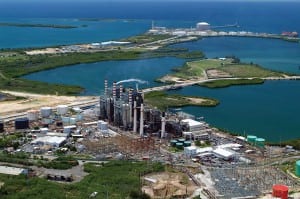
Largely dependent on imported fuel oil, many island systems must grapple with soaring electricity costs and reliability issues, in part because they are isolated and they don’t benefit from economies of scale. But some nations are seeking alternatives. It’s the same story all over the world. To fuel their economies and support growing populations, geographically […]
-
 Renewables
Turning Brownfields into Greenfields: From Coal to Clean Energy
As the coal industry declines in many places around the world, can the mines it leaves behind be repurposed for cleaner energy projects that benefit multiple stakeholders, including local economies? Several existing and planned projects demonstrate that there may be multiple paths toward that transition. No question, the coal industry in Appalachia, the rest of […]