
Latest
-
 Gas
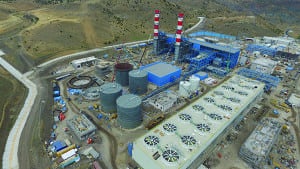
GasCombined Cycle Plant Showcases ‘Cool’ Innovation to Help Meet Turkey’s Power Demand
Advanced cooling system technology is among the features of a gas-fired plant representing Saudi Arabia’s first foray into the Turkish power market. Turkey is a country in the midst of political and social
-
 Commentary
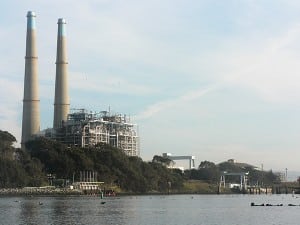
Court Upholds Water Intake Rule, Offering Some Certainty for Power Plants
The U.S. Court of Appeals for the Second Circuit in July issued a long-awaited decision in the case Cooling Water Intake Structure Coalition v. U.S. Environmental Protection Agency (EPA), upholding the EPA’s
-
 Renewables
Wind and Solar Powering Greek Island
The Greek island of Tilos may provide the model for a renaissance of renewable energy across the European Union (EU). Technicians this summer have tested a system that will allow the island to produce and run
-
 O&M
O&MJobsite Safety Check: Mitigating Risk and Improving Safety at Power Plants
Safety should be the top priority on any job site and goes hand in hand with operational excellence. Risk mitigation and safety are exceptionally important for power plants due to the nature of the industry
-
 O&M
O&MIntense Summer Heatwaves Rattle World’s Power Plants
Scorching temperatures during the summer of 2018 forced a swathe of power plants across the world to reduce power or shut down temporarily, owing to warmer-than-usual temperatures of cooling water and other
-
 Renewables
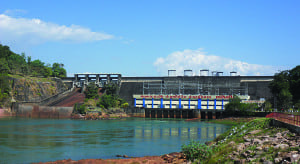
Dam Collapse May Slow, but Not Stop, Laotian Hydropower Projects
The Laotian government in August said the approval process for new hydroelectric dams in the country should be suspended as it continued to review construction practices. The move came after more than three
-
 O&M
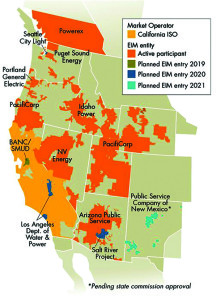
O&MHow Does the Western Energy Imbalance Market Work?
The California Independent System Operator’s Energy Imbalance Market (EIM) is a real-time energy market, the first of its kind in the western U.S. EIM’s advanced market systems automatically find low-cost
-
 Legal & Regulatory
Can Coal and Nuclear Power Plants Be Saved?
It’s no secret that U.S. nuclear and coal-fired power plants are struggling to remain viable in competitive markets. Many plants have been retired for economic reasons long before the facilities reached the
-
 O&M
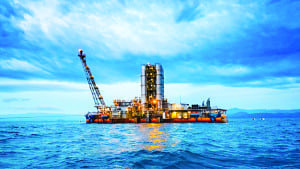
O&MThe Gamble to Produce Power from a ‘Killer’ Lake
KivuWatt, a 26.2-MW power plant in Kibuye, Rwanda, was conceived to help reduce risk of an overpressure gas outburst at Lake Kivu. The first-of-its-kind integrated methane gas extraction and production
-
 O&M
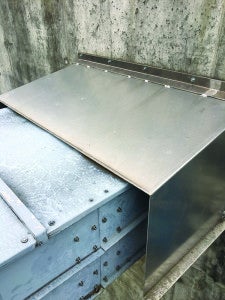
O&MAftermarket Parts Substitutions Can Shut Down a Power Plant
Every power generation facility is unique, as are the functions and maintenance requirements for their equipment. Keeping equipment in working order and avoiding downtime is critical. Plants will sometimes use