
Latest
-
 News
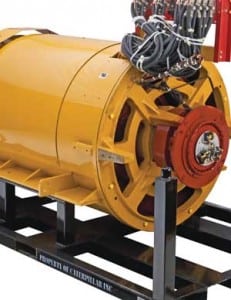
NewsRemanufactured Generator Ends
Caterpillar Inc. introduced a new family of remanufactured generator ends for standby, prime, and continuous power applications. The C32 and 3500 series Caterpillar engines have been used for applications ranging from distributed generation to prime power for remote communities. The first wave of remanufactured generator ends includes 34 part numbers, which are available worldwide in […]
-
 News
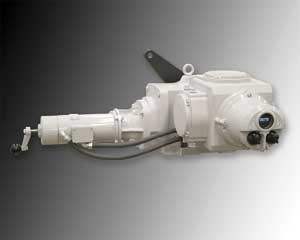
NewsHigh-Torque Electric Rotary Actuator
Rotork Process Controls introduced the SM-6000 S2, an electric rotary actuator for a wide range of heavy-duty damper drive applications found in power plants. The actuator provides high speeds and high torque for continuous modulating duty. It also offers positioning accuracy and can operate well in harsh and rugged environments. The SM-6000 S2 includes an […]
-
 News
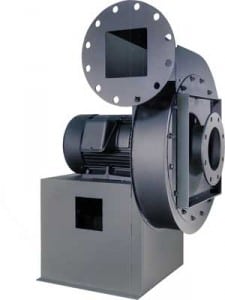
NewsPressure Blowers for High-Volume Applications
Chicago Blower has developed a series of 16 higher-pressure blowers that are suited to combustion air, aeration, cooling and drying systems, and other high-volume processes. The blowers support pressures of up to 91-inch water gauge and volumes of up to 18,000 cubic feet per minute. Features include a lightweight aluminum alloy wheel design to reduce […]
-
 News
NewsTool and Equipment Management Software
Washington-based software developer Dynamic Systems Inc. launched the Basic Tool Manager, a software based on barcode technology, which has been developed for companies that want to reduce the loss of tools and save time tracking down equipment and tools. Using a wireless barcode reader, users can scan a personnel badge and then a piece of […]
-
 News
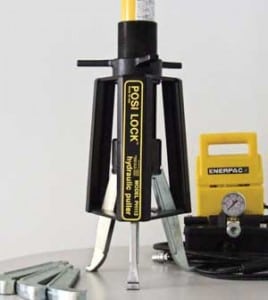
News25-Ton Hydraulic Internal/External Puller
Posi Lock’s hydraulic line featuring the patented "Safety Cage" has been expanded to include the PH-113IE, a three-jaw, 25-ton internal/external puller that is designed to solve problems associated with the removal of gears, bearings, and other press-fit items. The PH-113IE’s internal puller jaws have a reach from 2.5 inches to 7 inches and a spread […]
-
News
Ark. Appeals Court Blocks Turk Plant; SWEPCO Files Appeal, Will Continue Construction
An Arkansas appeals court last week overturned on technical grounds a key decision by the state regulators that authorized construction of Southwestern Electric Power Co.’s (SWEPCO’s) 600-MW John W. Turk Jr. coal-fired power plant in Hempstead County—the nation’s first ultrasupercritical project. SWEPCO on Monday filed an appeal with the Arkansas Supreme Court and said it would continue the plant’s construction because delays could prove costly.
-
News
House Passes Climate Change and Energy Bill by Slim Margin
The U.S. House of Representatives passed by a narrow vote of 219–212 a mammoth climate change and energy bill on Friday that, among other things, seeks to establish a carbon emissions reduction goal, a cap-and-trade program, and a federal renewable energy standard. The bill now heads to the Senate.
-
News
Ontario Suspends Multibillion Dollar Nuclear Projects Amid AECL Uncertainties
The Ontario government has suspended a 10-year multibillion dollar nuclear upgrade project to replace two reactors at the Darlington site, citing pricing and uncertainty regarding the future of Atomic Energy of Canada Ltd. (AECL), Canada’s sole bidder.
-
News
Exelon Suspends Victoria Nukes on Economic Uncertainties, Loan Guarantees
Exelon, the largest nuclear power generator in the U.S., has suspended plans to build a proposed two-unit nuclear plant in Victoria, Texas, because of uncertainties in the domestic economy and limited federal loan guarantees.
-
News
Report: Combination of “Rarely Found” Factors Led to TVA Coal Ash Spill
The breach of a 50-year-old coal ash storage pond and subsequent ash spill at the Tennessee Valley Authority’s (TVA’s) Kingston Fossil Plant in Roane County, Tenn., last December was caused by a rare and complex combination of conditions, a six-month independent engineering study has found. These included the existence of an unusual bottom layer of ash and silt, the high water content of the wet ash, the increasing height of ash, and the construction of sloping dikes over the wet ash.