
Latest
-
 Solar
SolarWhich Country’s Grid Is the Smartest?
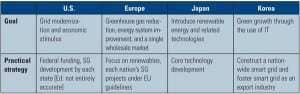
The U.S. isn’t the only country evaluating and implementing elements of smart grid technology. In fact, it could be argued that other nations are much farther along the path to a comprehensive, technically advanced system for integrating renewables, managing load, and creating a more flexible power grid.
-
Smart Grid
My Top 10 Predictions for 2010
David Letterman has entertained us with his “Late Show” Top Ten list since 1985. In keeping with this issue’s theme of forecasting the future of the power industry, I’m going to step out with my top 10 list of what to expect in the next 12 months. 10. New Nuclear Will Progress Slowly. I don’t […]
-
 Coal
CoalThe Resurrection of Underground Coal Gasification
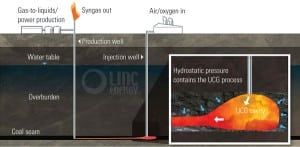
News this past November that Australian company Cougar Energy had begun developing a pilot project to generate power from coal still underground has reignited interest in the 100-year-old alternative energy technology. The company’s planned A$8 million program — expected to be started in the first quarter of 2010 — will be conducted 10 kilometers south of Kingaroy, in southern Queensland. If it is successful, it could lead to the establishment of a 400-MW baseload power station, Cougar Energy officials say.
-
O&M
Replacing an HP/IP Rotor
Today’s power plant owners face many challenges, including the aging and degradation of equipment. Steam turbines at times may be condemned due to operating inefficiency or rising vibration levels. In such cases the options may be few because the turbine may require a full or partial rotor section replacement. The good news is that a rotor section replacement can be performed in a relatively short time, depending upon the original rotor configuration. Here’s one example.
-
Legal & Regulatory
GHG Emissions Reporting Begins Jan. 1
Last fall, the U.S. Environmental Protection Agency (EPA) issued a rule creating a mandatory national system for reporting greenhouse gas (GHG) emissions. The agency requires regulated entities to begin monitoring GHG emissions January 1, 2010, and to submit their first annual emissions reports March 31, 2011. This is a key step toward federal regulation of GHG emissions (a step that may have major implications regarding "major sources" and permitting requirements for new sources). It’s also an opportunity for power producers to implement their inventory management plans.
-
 O&M
O&MThe U.S. Gas Rebound
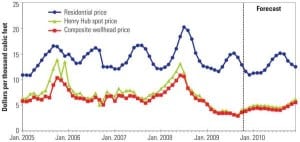
"It’s déjà vu all over again," said Yogi Berra. The Hall of Fame catcher could easily have been predicting the coming resurgence of natural gas – fired generation. Yes, a few more coal plants will be completed this year, but don’t expect any new plant announcements. A couple of nuclear plants may actually break ground, but don’t hold your breath. Many more wind turbines will dot the landscape as renewable portfolio standards dictate resource planning, but their peak generation contribution will be small. The dash for gas in the U.S. has begun, again.
-
 Environmental
A New Regulatory and Environmental Milieu
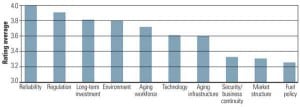
There will be no shortage of important issues to keep utility executives and their staffs busy throughout 2010. Few of these will be surprises, although a number will emerge quickly and assume larger-than-life significance. The confluence of the great recession and the sturm und drang of environmental legislation will create the liveliest of the debates, but more subtle trends will drive additional stressors. The results of Black & Veatch’s 2009 fourth annual industry strategic directions survey can offer guidance as to how these issues will affect the industry in the coming year.
-
 Coal
CoalThe Impact of Carbon Trading on Performance: What Europe’s Experience Can Teach North American Generators
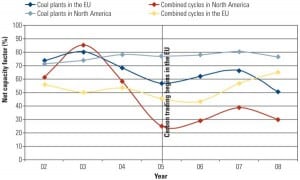
The European carbon trading system experience suggests that North American generators should expect severely altered coal-fired power plant operating profiles if cap-and-trade legislation becomes law. In a groundbreaking study, Solomon Associates predicts the reduction in mean run time that North American generators should expect. The trends outlined in this study provide an overview of some of the broad challenges facing generators in moving to a carbon-constrained market environment.
-
 Solar
SolarA New Foundation for Future Growth
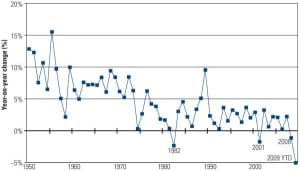
As the economy begins to grow again, the banking industry continues to stabilize, and lawmakers work on finalizing climate change legislation, the decisions made in 2010 will lay the foundation for the power industry for decades to come.
-
 Business
Dollars and Dirt: Investing in Infrastructure
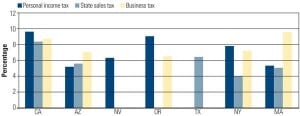
The familiar saying "as goes California, so goes the nation" seems to apply to the many states that have been unable to invest in infrastructure improvements because they are crushed by debt and shrinking revenues. Will California and energy project developers continue to invest in energy infrastructure in 2010 given the limited availability of private capital, shaky state finances, and shifting regulatory climate?