
Latest
-
Solar
European Solar Initiative to Source Power from North Africa Hits Blocks
The Desertec Industrial Initiative (Dii) oversees a $508 billion initiative to establish 6,500 square miles of concentrated solar power plants in the vast African and Middle Eastern deserts. Those plants are expected to furnish a fifth of Europe’s power needs by 2050, but in recent weeks the Dii has seen the exit of two of its 57 partners from 16 countries and a project held up by the Spanish government.
-
 Legal & Regulatory
Clean Air Rules: Unintended Consequences Generator?
A complex tangle of Clean Air Act rules is making life difficult for folks in the power industry, often seeming to go in different directions at the same time. It could get worse and here’s an attempt to make some sense of the confusion.
-
Legal & Regulatory
Whistleblower Heartaches, Headaches and Heads Ups
Whistleblowers are a growing and difficult fact of life in large and important organizations, and mishandling them can cause organizational pain and financial penalty. -
 Finance
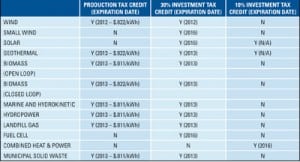
Financing U.S. Renewable Energy Projects in a Post-Subsidy World
Subsidies for renewable energy projects, a mainstay of U.S. policy for 20 years, is coming to an end. What next?
-
Legal & Regulatory
FERC Proposes Regulatory Regime for Solar Storms
With the power industry already facing a completely new, government-mandated approach to cybersecurity, CIPS 5, the Federal Energy Regulatory Commission has launched another regulatory venture that will result in a new set of reliability standards—this one designed to protect the bulk power system from solar storms.
-
Business
Creating Customer-Friendly Utility Communications
Make messages to customers simple, direct, and concrete to hit a response sweet spot. -
Commentary
A Call to Elevate Electric Sector Cyber Security Leadership
It’s time for the leaders in the power generation business to step up and provide some leadership on cybersecurity
-
Commentary
Lessons in Innovation from Sir Edmund Hillary
The first conquest of Mount Everest was not just a triumph of the human spirit but also a classic example of solid project management and good leadership. Hillary’s example offers sound lessons for today’s business leaders.
-
Commentary
Workplace Drama: Leadership Is About Course Correction, Not Perfection
All leaders want to be liked, but letting that desire set your course is a path to frustration and drama. Though it sometimes seems counter-intuitive, the ability to set good boundaries is the mark of a good leader.
-
Commentary
The Management Intelligence of the Octopus
Adaptive, creative, and flexible, the humble octopus has much to teach managers in the modern world.